
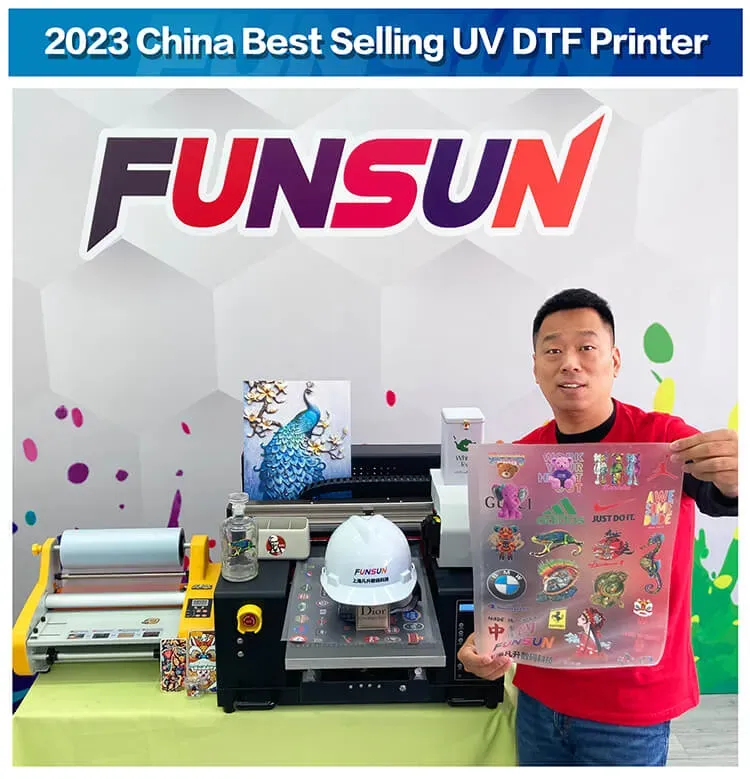
UV DTF printing has emerged as a game-changing innovation in the world of printing, merging the speed and precision of digital technology with the remarkable capabilities of UV printing technology. This method allows for high quality prints on a variety of surfaces, elevating the possibilities for artists and businesses alike. In this guide, we will explore the benefits of UV DTF printing, highlighting how it can enhance your creative projects through its unique features and instant drying process. Moreover, you’ll discover essential tips for UV DTF printing that will help you achieve the best results every time. Join us as we dive into the techniques that make this printing method a favorite among professionals and hobbyists.
Direct-to-Film UV printing is revolutionizing how intricate designs are transferred onto diverse materials, providing users with enhanced versatility and efficiency. Known for its rapid production capabilities and durability, this innovative printing approach offers a sustainable option by utilizing UV-cured inks that minimize environmental impact. Throughout this guide, we will unpack the essential facets of this printing method, including the various techniques involved, expert recommendations, and the key advantages that keep users coming back. Utilizing strategies tailored for optimal results, such as understanding printer settings and surface preparation, will empower you to create standout prints that resonate in an increasingly competitive marketplace. Let’s uncover the transformative power of direct-to-film UV printing and how it can elevate your print projects.
The Advancements in UV Printing Technology
UV printing technology has seen remarkable advancements over the past few years, shifting the landscape of traditional printing methods. With the introduction of UV DTF printing, the industry has embraced a new level of efficiency and versatility that meets the demands of modern creators. Unlike older technologies, UV printing harnesses ultraviolet light to cure inks as they are applied, which not only minimizes drying times but also allows for greater precision in detailed designs.
Moreover, the adaptability of UV printing technology means that it can be used across a variety of surfaces, which was a limitation in conventional printing processes. From textiles to rigid objects, UV DTF printing enables artists and businesses to expand their creative horizons while ensuring consistent quality in their final products. This flexibility positions UV printing as a competitive choice in today’s rapidly evolving market.
Key Advantages of UV DTF Printing
One of the most significant advantages of UV DTF printing is its high durability. Prints produced with UV-cured inks are remarkably resistant to fading, scratches, and environmental wear, which gives them a longevity that traditional methods often fail to achieve. This durability is crucial for businesses that require their products to maintain an impressive appearance throughout their use.
Additionally, UV DTF printing boasts a quick turnaround time due to its instant drying capabilities. Innovators can handle prints immediately after they come off the printer, which streamlines workflows and boosts productivity. For companies that pride themselves on quick service or limited runs, this feature can create a significant competitive edge.
Essential Techniques for Mastering UV DTF Printing
To ensure successful UV DTF printing, understanding the techniques involved is vital. One fundamental technique is surface preparation. Before printing, the substrate must be free of dust, grease, and contaminants, as these can hinder ink adhesion and disrupt the production of high-quality prints. Cleaning surfaces with appropriate solvents can make a noticeable difference in the final product.
Another key technique is adjusting printer settings appropriately. Each UV printer comes with specific guidelines regarding speed, resolution, and curing intensity. Familiarizing yourself with these settings can optimize the printing process, allowing for exceptional detail and vibrant color application. Taking the time to fine-tune these parameters is a crucial step in mastering the art of UV DTF printing.
Selecting the Right UV Inks for Your Projects
The ink selection process is critical when it comes to UV DTF printing. The compatibility of the ink with both the printer and the substrate can dramatically influence the quality of the final output. Different inks are formulated for specific materials, and choosing the wrong type could lead to issues such as poor adhesion and fading. Hence, consulting with manufacturers and understanding the specific requirements for your chosen materials will help you achieve the desired results.
In addition, experimenting with various brands and formulations can lead to unique aesthetic outcomes. Some inks might offer a richer color saturation or improved durability compared to others, so testing different options will allow you to find the best fit for your specific needs. With the proper UV ink, you can drastically enhance the vibrancy and longevity of your prints.
Maintenance Practices for Consistent Results
Regular maintenance of your UV DTF printing equipment is essential to sustain consistent print quality over time. This includes cleaning printheads and ink lines frequently to prevent clogs that could disrupt the printing process. Establishing a maintenance schedule not only prolongs the life of your printer but also ensures that each print meets your quality standards.
Moreover, routine checks on settings and calibration can help catch any discrepancies before they affect production. By dedicating some time to maintenance, you can secure the ideal performance of your printer, thus enhancing your overall productivity and print quality.
Expert Tips for Optimizing Your UV DTF Printing
To optimize your experience with UV DTF printing, consider experimenting with a variety of substrates. Step out of your comfort zone and try different materials to discover unique finishes and textures that can elevate your design projects. Each substrate brings its own characteristics; thus, understanding how they interact with UV inks can lead to impressive, one-of-a-kind products.
Additionally, utilizing color profiles tailored for your printer will ensure more accurate and consistent color outputs across various jobs. This practice minimizes discrepancies and enhances the final look of your prints by maintaining vibrancy and detail. Staying informed on the latest trends in UV printing technology will keep your techniques fresh and ensure you’re always producing the highest quality prints.
Frequently Asked Questions
What are the main benefits of UV DTF printing?
UV DTF printing offers numerous benefits, including high durability of prints, versatility across various substrates, instant drying capabilities, and environmentally friendly inks that emit fewer volatile organic compounds (VOCs). These advantages make UV DTF printing an excellent choice for a variety of printing projects.
How does UV printing technology enhance UV DTF printing results?
UV printing technology enhances UV DTF printing by utilizing UV-cured inks that dry immediately upon exposure to ultraviolet light. This allows for detailed designs and vibrant colors while ensuring prints are resistant to fading and scratches, resulting in high-quality prints.
What are some essential techniques for successful UV DTF printing?
Essential techniques for successful UV DTF printing include proper surface preparation, adjusting printer settings for speed and quality, selecting compatible UV inks, and maintaining the printer through regular cleaning. Testing prints before production is also crucial for ensuring adhesion and durability.
What tips can improve the quality of UV DTF prints?
To improve the quality of UV DTF prints, experiment with different materials, use color profiles for accurate color output, incorporate custom finishes like coatings for protection, and stay updated on the latest advances in UV printing technology to enhance your printing capabilities.
Why is surface preparation important in UV DTF printing?
Surface preparation is vital in UV DTF printing because clean and smooth surfaces ensure better ink adhesion, leading to higher quality prints. Any dust or residues can interfere with the adhesion process, negatively affecting the final product’s durability and appearance.
How can I maintain my UV DTF printer for optimal performance?
To maintain optimal performance of your UV DTF printer, regularly clean the printheads and ink lines to prevent clogs. Create a maintenance schedule to ensure that all essential components are functioning effectively, which will help extend the life of your equipment and improve print quality.
| Aspect | Description |
|---|---|
| UV DTF Printing | A printing technique that uses UV-cured inks to produce durable, vibrant prints on various substrates. |
| Key Benefits | High durability, versatility across materials, instant drying, and environment-friendly. |
| Techniques for Success | Surface preparation, printer settings optimization, ink selection based on substrate, maintenance, and test printing. |
| Expert Tips | Experimenting with materials, using color profiles, incorporating finishes, and staying updated on technology. |
Summary
UV DTF printing is a groundbreaking technique that offers numerous advantages for designers and businesses alike. This innovative method combines the efficiency of digital printing with the impressive durability of UV ink, resulting in vibrant, high-quality prints on a variety of substrates. By understanding the core benefits of UV DTF printing—including its quick drying time and versatility—you can make informed choices that enhance your projects. In addition, mastering proper techniques and expert tips will empower you to continuously improve your print quality and adapt to new materials and technologies within the industry. As you explore the exciting opportunities that UV DTF printing presents, remember that continuous learning and experimentation are key to staying ahead in this competitive field.