
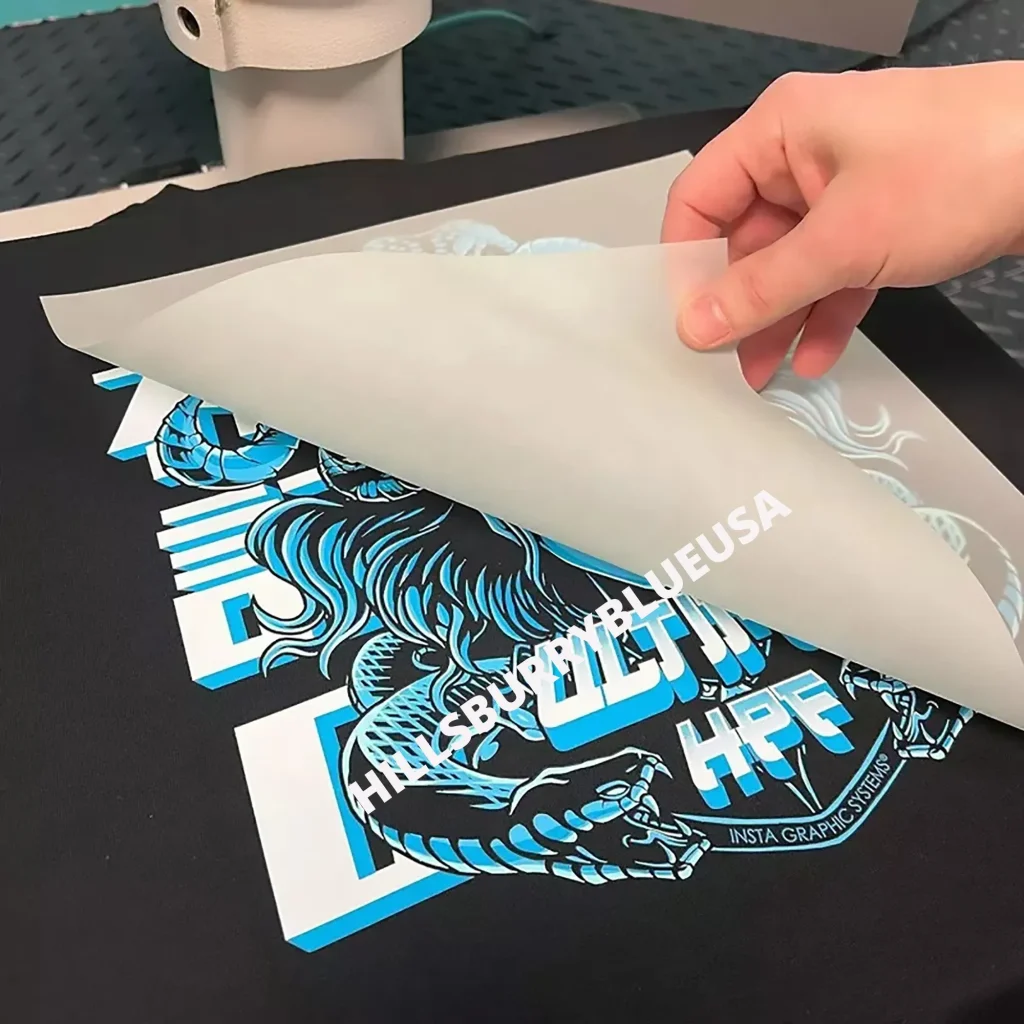
In the realm of modern printing solutions, **DTF transfers** have emerged as a transformative option, particularly in their ability to enhance print quality and efficiency while promoting sustainable printing practices. This innovative printing technology involves transferring vibrant designs onto high-quality film, which can then be heat-pressed onto various materials, offering superior results compared to traditional printing methods. Businesses are increasingly recognizing the significant advantages of DTF printing technology, such as its sustainability, reduced material waste, and exceptional durability. As the demand for quick and high-quality printing solutions grows, DTF transfers provide companies with the capability to meet consumer expectations without compromising on environmental considerations. Embracing DTF technology not only boosts production efficiency but also aligns with the evolving consumer preference for responsible and eco-friendly practices.
The introduction of **Direct-to-Film transfers** marks a significant leap forward in the printing industry, presenting alternatives to older techniques like screen printing and direct-to-garment (DTG) methods. This contemporary printing approach utilizes a film medium to achieve remarkable print fidelity and rapid production times. As businesses adapt to the increasing demand for versatile and high-quality printing solutions, this technology leverages enhanced printing efficiency, delivering intricate designs that resonate with today’s style-conscious consumers. With a keen focus on reducing waste and fostering sustainable practices, this printing technique is not just a trend but a necessary evolution in the way companies fulfill their creative needs. The proliferation of DTF technology showcases a commitment to innovation in print quality and operational sustainability.
The Environmental Impact of DTF Transfers
The conversation around sustainability in the printing industry has never been more relevant. DTF transfers are paving the way for eco-friendly practices by significantly reducing material waste. Unlike traditional screen printing methods that often generate a plethora of unused screens and excess inks, DTF technology minimizes waste through its efficient print process. By utilizing films instead of bulky screens, manufacturers can achieve a cleaner production line, which speaks volumes about the industry’s shift towards sustainable printing solutions.
Moreover, the lower energy consumption associated with DTF printing contributes positively to its environmental footprint. The production requirements for DTF transfers allow for fewer resources to be expended, making it a viable option for businesses looking to reduce their ecological impact. As more companies strive for sustainable practices, shifting towards DTF printing technology not only answers to environmental concerns but also aligns with consumer preferences for conscientious brands.
DTF Printing Technology: A Game Changer
The introduction of DTF printing technology signifies a leap forward in the capabilities of modern printing. With its capacity to produce high-resolution, photorealistic images with exceptional vibrancy, DTF has redefined expectations for print quality. Consumers today demand products that stand out, and DTF transfers deliver on this front by enabling detailed designs with rich colors that traditional methods struggle to replicate.
Furthermore, the versatility offered by DTF printing technology cannot be overlooked. It adapts seamlessly to different fabric types, making it suitable for apparel and promotional items that require distinct finishes. This flexibility not only expands a business’s product range but also positions it to effectively meet varied customer demands, which is a crucial advantage in today’s fast-paced market.
Comparing Print Quality: DTF vs. Traditional Methods
When it comes to print quality, DTF transfers far outperform traditional methods like screen printing. Screen printing often limits intricate designs due to its reliance on stencils and layered inks. In contrast, DTF transfers utilize a process capable of capturing complex images, enabling businesses to fulfill customer expectations for both realism and precision. This advanced printing method is crucial for brands aiming to maintain a high standard in their product offerings.
Additionally, DTF transfers offer a smoother texture with less heaviness compared to traditional prints. Users appreciate the soft feel of DTF prints, which enhances comfort without compromising artistic vibrancy. Brands leveraging this technology can appeal to consumers who prioritize not just visual aesthetics but also the tactile experience of their apparel.
The Efficiency of DTF Transfers in Production
In a bustling production environment, efficiency is paramount, and DTF transfers shine in this arena. Unlike traditional screen printing, which often entails time-consuming setup and adjustments for each color layer, DTF printing facilitates quicker turnaround times. The ease of transitioning between designs allows businesses to fulfill diverse orders swiftly, which is essential in today’s fast-moving consumer landscape.
This efficiency is further enhanced by recent advancements in DTF technologies, which have streamlined workflow processes and reduced downtime. Companies that implement DTF printing can not only increase output but also improve overall responsiveness to customer demands. This capability sets them apart in a competitive marketplace where the speed of service can significantly impact customer satisfaction.
Cost-Effectiveness of DTF Printing Technology
One of the remarkable benefits of DTF printing technology is its cost-effectiveness. Businesses often face high costs with traditional printing methods due to materials, setup, and labor. DTF transfers, however, lower these expenses by reducing the amount of ink and material wasted in the printing process. This efficient use of resources means businesses can allocate their budgets more effectively and invest in other essential areas.
Furthermore, the ability to produce high-quality prints in smaller batches without significant financial strain allows companies to diversify their offerings without the fear of incurring massive costs associated with traditional methods. As DTF printing continues to gain traction, its affordability could change the economic landscape of garment printing, making it accessible even for small businesses.
Consumer Demand for Quality and Sustainability in Printing
Today’s consumers are increasingly discerning when it comes to the products they purchase, often prioritizing quality and sustainability. DTF transfers perfectly align with these evolving preferences, offering high-quality prints that appeal to the modern consumer. With the ability to produce vibrant images that maintain the fabric’s integrity, brands can deliver products that not only look good but feel good to wear.
The sustainable nature of DTF printing resonates deeply with environmentally conscious buyers. As consumers seek out brands that support sustainable practices, those adopting DTF technology position themselves favorably in the marketplace. By focusing on print quality and environmental stewardship, businesses can create meaningful connections with their customers, which is essential for long-term loyalty and success.
Frequently Asked Questions
What are DTF transfers and how do they differ from traditional printing methods?
DTF transfers, or Direct-to-Film transfers, involve printing images onto a film and then heat-pressing them onto fabric. Unlike traditional printing methods such as screen printing, DTF printing technology allows for high-quality, vibrant prints with less waste, making it a more sustainable choice.
How does DTF printing technology contribute to sustainable printing practices?
DTF printing technology supports sustainable printing by reducing waste and resource use compared to traditional printing methods. With fewer inks needed and no screens left unused, DTF transfers align with eco-conscious practices that consumers are increasingly prioritizing.
What advantages do DTF transfers offer in terms of print quality?
DTF transfers excel in producing photorealistic images with vibrant colors that surpass the capabilities of traditional printing methods like screen printing. The soft feel and detail achieved through DTF printing technology ensure consumer satisfaction and enhance brand reputation.
How does DTF printing improve printing efficiency for businesses?
DTF printing significantly improves printing efficiency as it allows rapid production with minimal setup time compared to traditional methods. This means businesses can handle multiple orders swiftly, reducing lead times and meeting customer demands effectively.
Can DTF transfers be used on various fabric types?
Yes, DTF transfers are versatile and can adhere to a wide range of fabric types, including cotton and polyester. This adaptability allows businesses to diversify their product offerings and cater to different customer preferences, which is a challenge with traditional printing methods.
Why should businesses adopt DTF transfers over traditional printing methods?
Businesses should consider adopting DTF transfers due to their sustainable printing benefits, superior print quality, and increased efficiency. As consumer demands shift towards environmentally-friendly practices and high-quality products, DTF technology presents a compelling option for modern printing solutions.
| Key Points | DTF Transfers | Traditional Printing Methods |
|---|---|---|
| Sustainability and Waste Reduction | Uses fewer resources, generates less waste, eco-friendly. | Produces significant waste due to excess inks and screens. |
| Quality and Versatility | Delivers vibrant, photorealistic images and works on various fabrics. | Struggles with detailed replication and often feels heavy on the fabric. |
| Efficiency in Production | Quick turnaround times, excellent for diverse printing requests. | Time-consuming setup, not ideal for smaller runs. |
Summary
DTF Transfers are reshaping the landscape of the printing industry by offering multiple benefits over traditional methods. These innovative printing solutions are not only sustainable but also enhance print quality and production efficiency. With a significantly reduced environmental impact and a reputation for delivering stunning, vibrant images, DTF Transfers are proving to be the preferred choice among businesses aiming to meet the evolving demands of their consumers. Embracing DTF technology not only positions companies favorably in a competitive market but also aligns them with the growing consumer preference for sustainable and high-quality printing solutions.