
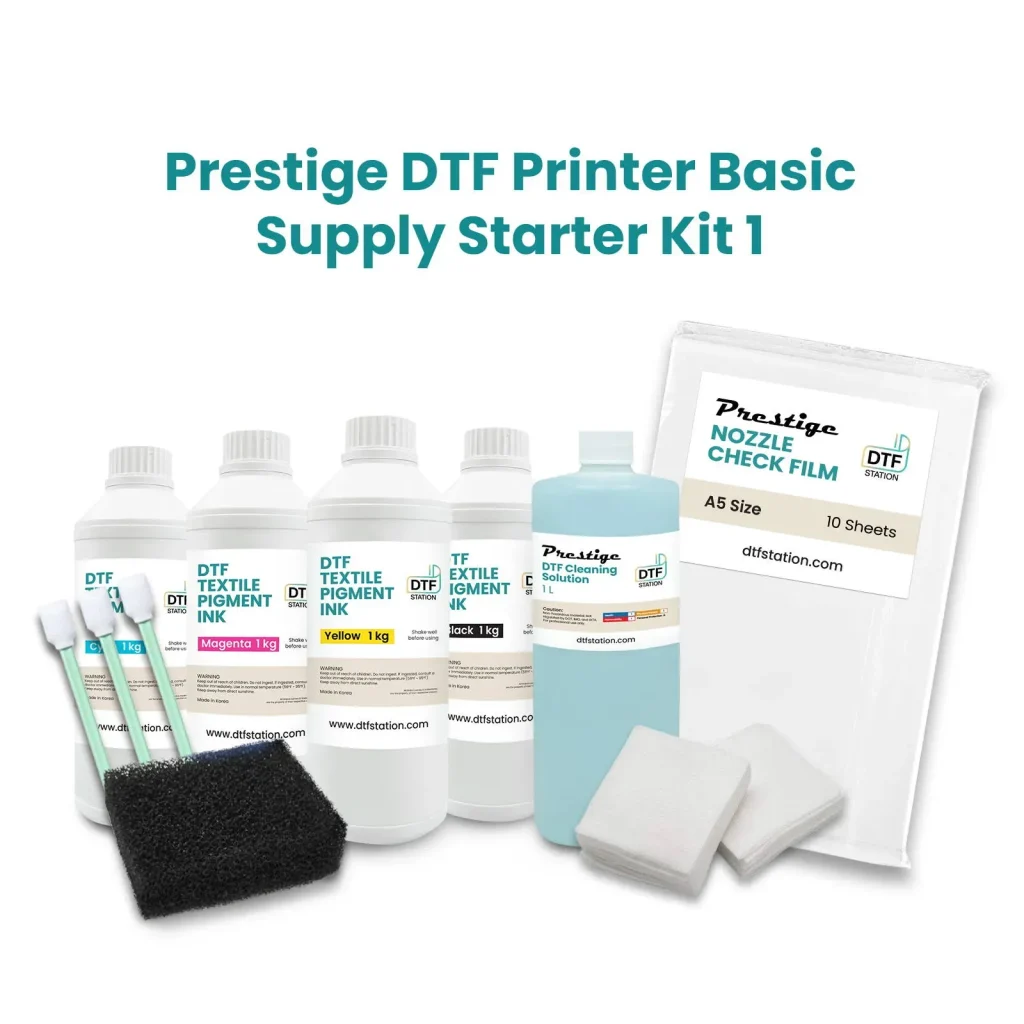
In the ever-evolving landscape of custom apparel printing, **DTF supplies** have revolutionized the way designers and small business owners create their stunning garments. Leveraging the Direct to Film (DTF) printing technique, users can produce high-quality prints with intricate details and vibrant colors directly onto various fabrics. For individuals new to this innovative printing method, a comprehensive guide on DTF supplies can significantly ease the learning curve, providing essential knowledge and tools for success in this competitive market. Whether you are a hobbyist or aspiring entrepreneur, understanding the components of the DTF transfer process will empower you to unleash your creativity. With this guide, delve into the exciting world of DTF printing and discover the supplies and skills needed to bring your designs to life.
Exploring the realm of Direct to Film technology unveils a treasure trove of opportunities for those passionate about textile design. Also known as DTF printing, this method utilizes specialized inks and transfer films to achieve exceptional quality and detail in custom apparel production. Beginners entering the field will soon discover the significance of various DTF printing supplies, from printers to adhesive powders, all of which play a vital role in the direct film printing process. This beginner DTF guide aims to enlighten newcomers on everything necessary to embark on their creative journey. Prepare to transform your ideas into stunning reality with exceptional DTF equipment and techniques.
Understanding Direct to Film (DTF) Printing
Direct to Film (DTF) printing is revolutionizing the way we think about custom apparel. This printing method differs from traditional screen printing and Direct to Garment (DTG) techniques by offering unique advantages, such as the ability to print on a wide array of material types. Utilizing specialized DTF inks, creators can achieve impressive color accuracy and detail, ensuring that designs stand out on fabric. Additionally, DTF printing allows for the application of intricate patterns and vibrant colors with less setup compared to screen printing, making it an attractive option for small businesses and hobbyists.
The DTF transfer process is relatively straightforward, involving several critical steps that enhance efficiency and quality. First, designs are printed onto a specially coated transfer film using a DTF printer. Afterward, adhesive powder is applied while the ink remains wet, allowing it to bond effectively during the heat transfer stage. With precise controlling of temperature and pressure using a heat press, the design is securely transferred to the fabric. This seamless integration of technology and creativity allows artists to push their boundaries and create stunning wearable art.
Essential DTF Supplies for Beginners
To kickstart your DTF printing journey, it’s crucial to gather the right supplies tailored for success. The foundation of this process hinges upon two key elements: a high-quality DTF printer and specialized DTF inks. A dedicated printer is designed specifically for this technique, ensuring that your prints are vibrant and clear. It’s equally important to choose inks that are optimized for DTF printing, as they directly affect the saturation and longevity of the prints. Investing in these essential supplies is an investment in the quality of your final products.
In addition to the printer and inks, don’t overlook other critical supplies such as transfer film and adhesive powder. The transfer film serves as the canvas, and opting for high-quality film ensures that your designs maintain their integrity during the transfer process. Similarly, adhesive powder plays a vital role in ensuring your prints adhere correctly to the fabric. Beginners should strive to source products from reputable brands, like DTF Supplies, to guarantee optimal results in their printing projects.
The DTF Printing Process Simplified
Navigating the DTF printing process can initially seem overwhelming, but understanding each step makes it easier for beginners to follow. Start by loading your chosen transfer film into the DTF printer and printing your design. It’s essential to ensure that your print settings are correctly adjusted to achieve the best quality. Once you have a completed print, apply adhesive powder over the wet ink, ensuring thorough coverage before proceeding to the next steps. This crucial moment establishes the foundation for how well the design will bond to the fabric.
After applying the adhesive powder, the next part of the process is flash curing the print. This step helps to properly set the ink and powder, preparing it for the heat transfer stage. Utilizing a heat press, you will then place the printed transfer film onto the desired garment and apply the necessary heat and pressure. Following the recommended time and temperature settings will ensure that your design adheres effectively, resulting in a durable print that can withstand wear and laundering. Simplifying this process allows newcomers to focus on refining their techniques and designs.
Benefits of Choosing DTF Printing
Opting for DTF printing presents numerous advantages for both hobbyists and professional printers alike. One of the most significant benefits is its versatility. DTF printing can effortlessly be used on various fabrics, including cotton, polyester, and blends, making it ideal for creating custom apparel that caters to diverse preferences. This flexibility creates a unique opportunity for businesses to expand their offerings and tap into new markets without investing in multiple printing methods.
In addition to versatility, DTF printing is remarkably cost-effective, especially for smaller production runs. Beginners can save costs on bulky equipment and ink setups compared to traditional screen printing methods, which often involve complicated setups for every color. Furthermore, the quality of prints achieved with DTF technology is striking, providing vibrant colors and lasting durability. This balance of affordability and quality makes DTF printing an attractive option for anyone looking to create standout designs at a lower price point.
Key Tips for DTF Printing Success
For beginners embarking on their DTF printing adventure, some key tips can help streamline your learning process and boost your chances for success. First, invest in high-quality supplies and equipment, as these significantly impact your results. Not only do reliable printers and transfer films influence print quality, but using trusted brands also minimizes the risk of technical difficulties associated with inferior products. DTF Supplies provides an excellent selection of recommended items for anyone looking to optimize their printing experience.
Moreover, research and community engagement are invaluable resources for learners. Online platforms such as forums and YouTube tutorials host myriad information and practical demonstrations that can assist beginners in mastering their skills. Joining DTF community groups on social media allows for collaboration, sharing experiences, and troubleshooting challenges. Practicing regularly, even through experimental prints, is crucial to improving your understanding of the DTF transfer process and building your confidence in this exciting craft.
Further Resources for DTF Printing Enthusiasts
As you delve into DTF printing, various resources can further enhance your knowledge and skills. Websites such as Printavo offer insights into the current trends in printing, with articles and tutorials focused on the DTF method and recommended supplies. Utilizing such platforms can provide you with valuable advice from industry professionals, giving you the edge needed to expand your custom printing business.
Another excellent option is to explore manufacturer resources like Mimaki USA, which provide an array of machinery and DTF supplies perfect for beginners. Understanding what materials and tools are available on the market helps you make informed decisions on your investments while promoting sustainability and efficiency in your printing projects. Engaging consistently with these resources will ensure that you remain updated on advancements in DTF printing and continue to elevate your craft.
Frequently Asked Questions
What are the essential DTF supplies for beginners?
To start with DTF printing, beginners need essential supplies including a dedicated DTF printer, transfer film, adhesive powder, a heat press, and DTF inks. These components are crucial for achieving high-quality prints and ensuring the success of your DTF printing projects.
How does the DTF transfer process work?
The DTF transfer process involves several key steps: firstly, print your design onto the transfer film using a DTF printer; secondly, apply adhesive powder over the wet ink; next, use a curing unit to heat-set the ink and powder; and finally, transfer the design onto the garment using a heat press. This process guarantees vibrant and durable prints.
Can DTF printing be used on different fabric types?
Yes, DTF printing is incredibly versatile and can be used on various fabric types including cotton, polyester, and blends. This makes DTF printing a great choice for creating custom apparel across a range of materials.
What advantages does DTF printing have over traditional methods?
DTF printing offers several advantages, such as cost-effectiveness for small batch runs, exceptional color vibrancy, and detail retention. Additionally, it requires fewer setup costs compared to screen printing, making it accessible for beginners and small businesses.
Where can I find more resources about DTF printing for beginners?
There are many great resources available for beginners seeking to learn about DTF printing. Websites like Printavo provide industry insights, while manufacturers like Mimaki USA offer product information and supplies. Online communities, including forums and Facebook groups dedicated to DTF printing, are also valuable for practical tips and support.
What should beginners look for in quality DTF printing supplies?
For quality DTF printing supplies, beginners should prioritize high-quality printers and inks, reputable transfer films, and reliable heat presses. Conducting thorough research and reading reviews can help ensure that you choose supplies that significantly enhance your printing results.
| Key Points | |
|---|---|
| DTF Printing Definition | A method that prints designs onto transfer film, which is then applied to garments, allowing for vibrant and intricate prints. |
| Essential Supplies | 1. Dedicated DTF Printer 2. Transfer Film 3. Adhesive Powder 4. Heat Press 5. DTF Inks |
| Benefits of DTF Printing | – Versatile on various materials – Cost-effective for small batches – High-quality prints with vibrant colors – Minimal setup and initial costs |
| Printing Process Steps | 1. Print the design on transfer film 2. Apply adhesive powder 3. Flash cure the printed design 4. Use heat press for transfer |
| Beginner Tips | – Invest in quality supplies – Utilize online resources for learning – Practice to improve skills |
Summary
DTF Supplies open up a world of possibilities in custom apparel and textile printing. This guide showcases the essentials you need to embark on your DTF printing journey, from the necessary equipment to the detailed processes involved. Understanding DTF printing not only equips you with the knowledge to create high-quality, vibrant designs but also positions you to succeed in the competitive printing landscape. With careful investment in quality supplies and ongoing practice, you can master the art of DTF printing and bring your creative ideas to life.