
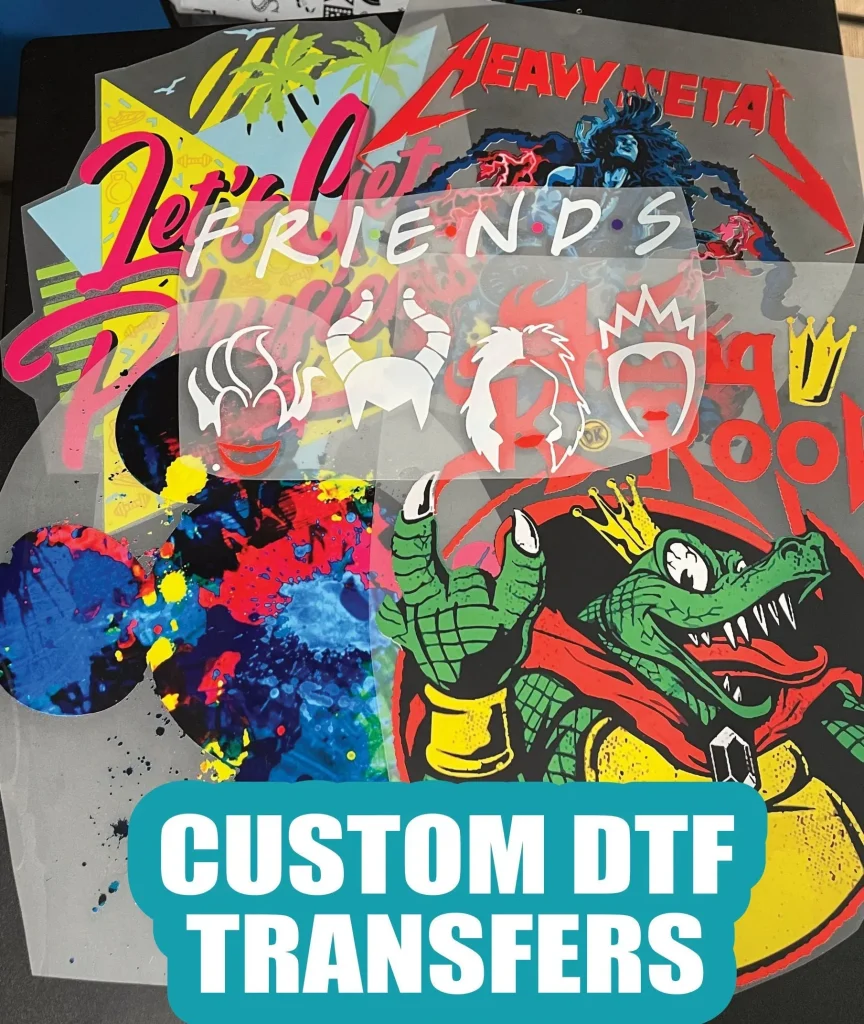
DTF Transfers, or Direct-to-Film transfers, are revolutionizing the fabric printing industry by offering a striking blend of creativity and durability. This innovative technique allows for the creation of vibrant, high-quality custom fabric prints that stand out for their clarity and resilience. As the demand for personalized apparel continues to grow, DTF printing emerges as a preferred choice for designers looking to elevate their craft. By utilizing cutting-edge fabric transfer technology, businesses can produce exceptional garments that maintain their quality through numerous washes. Join us as we explore the artistry and mechanics behind DTF Transfers and how they are reshaping the landscape of custom printing.
Direct-to-Film printing, often referred to in the industry as DTF, represents a significant leap forward in the realm of fabric decoration. This method emphasizes creating stunning visual designs transferred directly onto textiles, capitalizing on advanced film technology for brilliant results. Artists and businesses alike increasingly embrace this technique for its ability to deliver detailed prints on a diverse array of materials. Utilizing fabric transfer systems, DTF allows for soft-feeling, vibrant prints that cater to the consumer’s desire for uniqueness and personalization in their clothing. As we delve deeper, we will uncover how this modern printing solution fulfills the growing appetite for creativity in fabric applications.
The Revolutionary Benefits of DTF Transfers
DTF transfers are significantly changing the landscape of fabric printing by offering unparalleled benefits over traditional methods. One of the main advantages of DTF printing is its ability to produce vibrant colors and intricate designs on a variety of fabrics, including cotton, polyester, and blends. This versatility makes DTF the go-to option for fashion designers and businesses looking to create custom fabric prints that stand out in the crowded apparel market.
Moreover, DTF transfers maintain the soft feel of the fabric, ensuring that garments are comfortable to wear while still showcasing striking visuals. The quality of prints achieved through the DTF printing process exceeds that of traditional techniques, as they do not crack or fade easily, even after numerous washes. This durability appeals to customers who seek longevity in their custom apparel, making DTF an ideal choice for those wanting to merge fashion with function.
Understanding DTF Printing Technology: A Deep Dive
Direct-to-Film printing is a state-of-the-art technique that allows designs to be transferred onto fabrics with precision and clarity. The process begins with creating a digital graphic that is printed onto a specialized film using high-quality DTF inks. This is followed by a meticulous application of adhesive powder to the wet print, which is then heat-pressed onto the chosen fabric. The unique bonding method of DTF ensures that the pigments embed within the fibers, resulting in vibrant, high-quality prints.
Another exciting aspect of DTF printing is its compatibility with various textile types, which facilitates a wide array of applications—from custom apparel to personalized gifts. This technological innovation not only meets the aesthetic desires of consumers but also addresses their demand for customization. As designers and brands capitalize on the DTF technology’s capabilities, they are empowered to create unique, eye-catching products that resonate strongly within their target markets.
Exploring the Market Growth and Trends of DTF Printing
The rise of DTF printing in the fashion and textile industry marks a significant trend toward custom and personalized clothing. Recent market analyses indicate that the demand for DTF printing is projected to grow dramatically, driven by a consumer thirst for individuality and tailored experiences. As brands pivot towards sustainable practices, the eco-friendly features of DTF tech, such as reduced waste and efficient ink usage, make it an appealing option that aligns with modern ethical considerations.
Furthermore, the ongoing developments in DTF printing processes, including advancements in ink formulations and printer design, are enabling quicker production times and better quality outputs. This evolution not only enhances operational efficiency for businesses but also opens up opportunities for creative exploration in design. As the market evolves, we can expect to see a continuous influx of unique products that leverage the full potential of DTF transfers in creating stunning visual statements.
Advantages of DTF Printing: Quality and Versatility
One of the standout characteristics of DTF printing is its remarkable versatility. This technology allows for high-quality prints across a multitude of fabric types, making it an ideal choice for various applications such as fashion design, home decor, or promotional materials. The capability to seamlessly transfer intricate designs while ensuring that the fabric retains its natural softness is a major selling point for those in the custom apparel market.
Equally, the quality of DTF transfers merits recognition. Prints produced through this method are known for their longevity and ability to withstand rigorous washing without fading or cracking. This advantage not only benefits consumers but also enhances brand reputation as businesses can assure clients of the durability and lasting vibrancy of their custom fabric prints.
Addressing the Challenges in DTF Printing
While DTF transfers present numerous advantages, they are not without challenges, particularly for small businesses entering the custom printing landscape. The initial investment required for DTF printers and the need for specialized training can serve as barriers to entry. For entrepreneurs passionate about fabric transfer technology, navigating through these hurdles is vital to successfully incorporating DTF processes into their operations, which may include seeking out training resources or financial support.
Additionally, selecting the appropriate fabrics for DTF printing is critical for achieving high-quality results. Not all textiles are suited for DTF methods, and using incompatible materials can lead to subpar prints that peel or fade over time. By taking the time to understand fabric types and how they interact with DTF inks, businesses can maximize the quality of their prints, thereby minimizing risks and optimally serving their customers.
The Future of DTF Printing and Its Continuous Evolution
The future of DTF printing is promising, characterized by ongoing innovations that enhance the technique’s capabilities and broaden its applications. As demand for unique, customized products rises, the printing industry will likely witness the emergence of even more advanced DTF machinery and inks, further driving quality and efficiency. Artists and businesses will benefit from these advancements, allowing for greater creativity and experimentation in their custom designs.
Moreover, the integration of sustainable practices within DTF printing is expected to shape its future trajectory. Manufacturers are increasingly focusing on eco-friendly ink and film solutions to meet consumer preferences for responsible products. By championing sustainability while delivering high-quality custom prints, DTF technology is poised to maintain its relevance and appeal in the dynamic world of fabric printing.
Frequently Asked Questions
What are DTF Transfers and how do they work?
DTF transfers, or Direct-to-Film transfers, involve printing a design onto a special film, which is then coated with adhesive powder and heat-pressed onto fabric. This process allows for vibrant prints on various materials, such as cotton and polyester, ensuring long-lasting quality and flexibility.
How does DTF printing compare to other fabric printing methods?
Unlike traditional methods like Direct-to-Garment (DTG) printing, DTF printing offers greater versatility as it works on multiple fabric types. Additionally, DTF transfers produce high-quality, durable prints that are resistant to fading and cracking, making them ideal for custom fabric prints.
What types of fabrics are suitable for DTF transfers?
DTF transfers are compatible with a range of fabrics including cotton, polyester, and fabric blends. It’s essential to choose the right textile to ensure optimal adhesion and print longevity without peeling or fading.
What advantages does DTF printing offer for custom apparel?
DTF printing provides exceptional versatility and quality for custom apparel. The process results in soft, flexible prints that maintain vibrant colors and intricate designs, enhancing the comfort and aesthetic appeal of the garments.
What challenges might businesses face when utilizing DTF printing technology?
Businesses may encounter challenges such as high initial equipment costs and the need for specialized training to master DTF transfer techniques. Additionally, selecting the right compatible fabrics is crucial to avoid issues with print quality.
What trends are driving the growth of DTF printing in the market?
The demand for DTF printing is increasing due to trends in personalized clothing and eco-friendly practices. Consumers seek unique custom fabric prints, and manufacturers are responding by investing in environmentally sustainable inks and processes.
| Key Aspect | Description |
|---|---|
| DTF Printing Definition | A modern method for transferring designs onto fabrics, involving heat transfer using a specialized film and adhesive powder. |
| Process | Designs are printed on a film, adhesive powder is applied, and then heat-pressed onto fabrics. |
| Market Growth | The DTF printing market is expanding significantly due to demand for personalized and eco-friendly apparel. |
| Advantages | DTF printing offers versatility, exceptional quality, and high durability, making it suitable for various fabrics. |
| Technological Advancements | Innovations in printing tech improve print quality, flexibility, and production efficiency. |
| Challenges | High initial equipment costs and the need for skilled training pose barriers to small businesses. |
| Fabric Compatibility | Choosing the right fabrics is essential for achieving quality results, as not all materials bond well with DTF inks. |
Summary
DTF Transfers revolutionize the custom printing landscape by merging artistic creativity with cutting-edge technology, providing an innovative way to produce high-quality fabric prints. This technique allows for a broad range of applications, from fashion to home decor, catering to the increasing demand for personalized products. As more businesses embrace DTF Transfers, the market is expected to grow, underpinned by advancements in sustainable practices and printing technology. By focusing on fabric compatibility and mastering the application process, businesses can leverage DTF Transfers to deliver stunning designs that resonate with consumers seeking unique, high-quality items.