
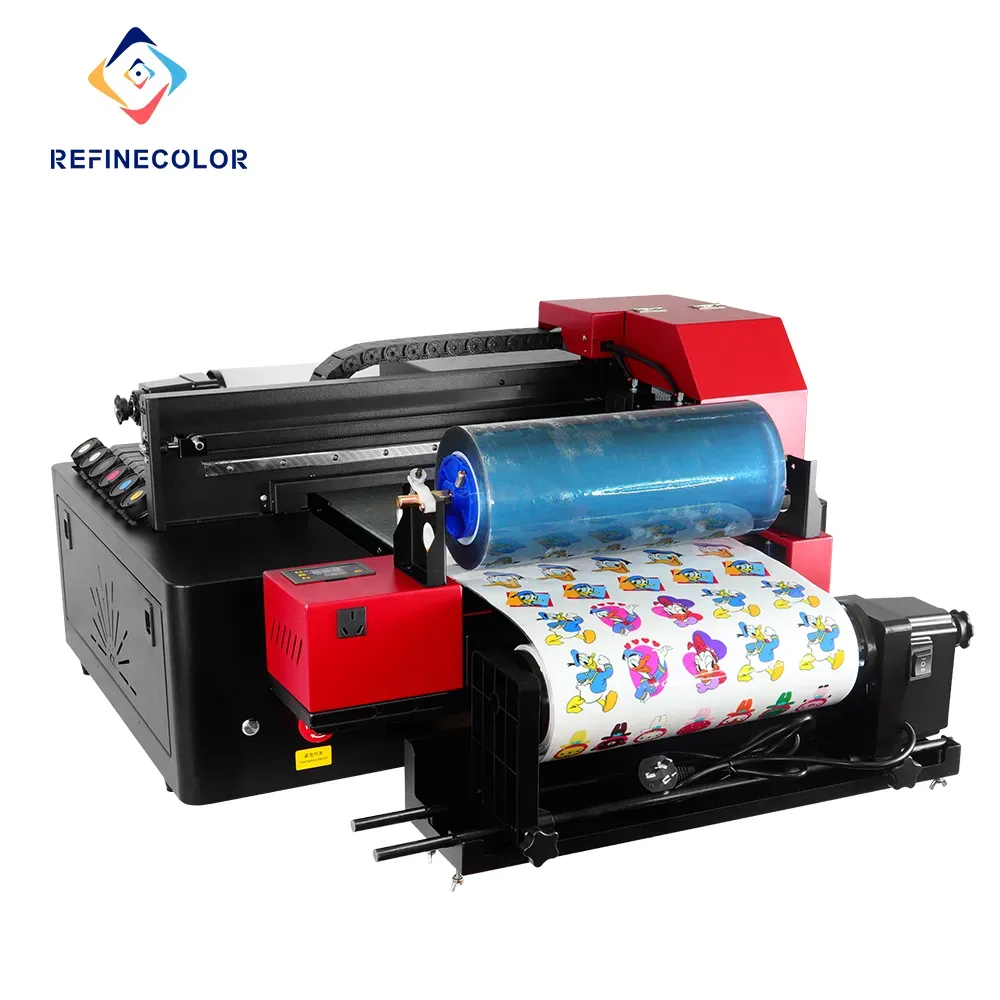
In today’s competitive landscape of digital printing, businesses are increasingly drawn to the revolutionary capabilities of **UV DTF (Direct to Film)** printing technology. Unlike traditional printing methods such as screen printing and heat transfer printing, UV DTF permits vibrant, durable prints that can be applied across a multitude of surfaces, including textiles, plastics, and metals. The instant curing process of UV inks not only speeds up production times but also enhances the quality and longevity of the finished products. As the demand for customized, high-quality prints surges, understanding the benefits and applications of UV DTF becomes essential for modern enterprises. This article will explore the advantages and challenges presented by UV DTF in comparison to conventional printing techniques, setting the stage for informed decision-making in printing technologies.
Often referred to as Direct to Film printing, UV DTF represents a cutting-edge methodology in the world of print production. This innovative technique leverages ultraviolet light to cure inks instantly, creating superbly detailed and robust images on film. By diversifying the range of materials suited for printing, UV DTF surpasses the limitations often associated with older methods like screen printing and digital printing. The growing popularity of this approach illustrates a shift in the printing industry, where businesses prioritize efficiency, sustainability, and exceptional quality. As we delve deeper into this subject, we will uncover the distinctive features and benefits that set UV DTF apart from more traditional alternatives.
Understanding the Mechanics of UV DTF Printing
UV DTF (Direct to Film) printing employs a unique technology that combines the speed and efficiency of digital printing with the versatility of heat transfer applications. The process begins by printing high-quality images onto a special film using UV-cured inks. These inks are instantly cured under ultraviolet light, resulting in vibrant and durable prints that are ready to be transferred onto various materials without the lengthy drying times common in traditional printing methods. This allows for a seamless workflow, particularly advantageous in industries requiring rapid turnarounds.
The mechanics of UV DTF printing cater to a range of materials, including fabrics, metals, and plastics, demonstrating its adaptability. Unlike traditional screen printing, which relies heavily on creating stencils for each color, UV DTF operates through digital means, eliminating the setup costs associated with screen preparation. This digital flexibility enables artists and businesses to explore intricate designs that can be achieved quickly and economically.
Comparative Benefits of UV DTF and Screen Printing
When evaluating UV DTF against traditional screen printing, the key benefits are notably distinct. For starters, UV DTF technology surpasses screen printing in versatility—while screen printing is primarily effective on fabrics and select surfaces, UV DTF can effortlessly print on an extensive variety of materials, ranging from textiles to hard surfaces. This ability to print on diverse substrates opens up new avenues for creative application across different sectors and products.
Additionally, the durability of prints produced via UV DTF is a significant advantage. The UV inks used in this process are resistant to fading, scratching, and water exposure, making them ideal for items subjected to harsh conditions or outdoor environments. In contrast, screen-printed products may require special inks or treatments to achieve similar properties, ultimately enhancing the appeal of UV DTF for businesses prioritizing longevity in their branding efforts.
Economics of UV DTF: Initial Costs vs Long-Term Gains
One of the most significant considerations when adopting UV DTF technology is the initial investment associated with the necessary equipment. High-quality UV printers can represent a considerable capital outlay, which might deter some small businesses from making the jump from traditional methods. However, it’s important to weigh this against the long-term savings spurred by UV DTF’s efficient production process.
Over time, businesses can expect a decrease in material waste and labor costs due to the rapid curing capabilities of UV DTF. This immediate drying time transcends the long periods required by other methods, allowing for quicker project turnovers. Thus, while the upfront costs are high, the overall production efficiency can translate to greater profitability for those ready to embrace modern printing solutions.
Challenges Faced with UV DTF Technology Adoption
While UV DTF technology offers a multitude of benefits, there are challenges that businesses must consider before implementation. The complexity of operating UV DTF machines requires specialized training for staff, which may present an initial hurdle. The learning curve associated with new technology can slow down production temporarily as employees adjust to adapted workflows and processes.
Additionally, securing the appropriate equipment and maintaining consistent quality may demand further investment beyond the initial setup. Regular maintenance is essential to avoid printing discrepancies that can arise from improper handling or calibration. Therefore, businesses should weigh these factors thoroughly before integrating UV DTF into their operations.
Advancements in Printing Technology and Market Trends
As we progress into a new era of printing, advancements in UV printing technology continue to shape market trends. The heightened demand for personalized products and customization has fueled an increase in UV DTF technology adoption across various industries, especially in the garment and promotional markets. New developments focus on enhancing the eco-friendliness of UV inks, aligning with global sustainability objectives, a factor increasingly crucial to modern consumers.
Ultimately, businesses are not only seeking print quality and versatility in UV DTF—there’s also an emphasis on environmental responsibility. As printers innovate to create sustainable solutions, organizations that invest in UV DTF equipment are likely to find a competitive edge in catering to an audience that values both quality and ecological considerations.
Choosing the Right Printing Method for Your Business Needs
Selecting the best printing method for specific business needs requires a careful consideration of various factors, including project scope, material types, and desired print quality. Printing on diverse substrates would likely lead businesses to UV DTF due to its significant flexibility over traditional methods. On the other hand, large-scale orders can still see significant savings with screen printing, particularly when uniformity and cost are prioritized.
Furthermore, businesses should consider the types of designs they frequently execute. Complex graphics and bespoke orders are more easily achieved with UV DTF, which can reproduce minute details and vibrant colors, while screen printing is more suited towards simpler, high-volume prints. Understanding these nuances will equip business owners to make informed choices that align with their goals and operational capabilities.
Frequently Asked Questions
What are the main benefits of using UV DTF printing technology over traditional printing methods?
UV DTF printing offers several advantages over traditional printing methods like screen printing and heat transfer printing. Firstly, it provides superior versatility, allowing prints on a variety of materials such as plastics, metals, and textiles. Additionally, UV DTF prints are highly durable, resisting fading and moisture, which is crucial for long-lasting products. Furthermore, the quick curing process of UV inks leads to faster turnaround times compared to the extended drying periods associated with traditional methods.
How does UV DTF printing improve production efficiency compared to traditional methods?
UV DTF printing enhances production efficiency primarily through its rapid curing process. Unlike traditional printing methods, which can require lengthy drying times, UV DTF inks cure instantly under UV light. This means that businesses can complete projects more quickly, accommodating tight deadlines and reducing bottlenecks in production, ultimately leading to increased overall productivity.
Is UV DTF printing suitable for small businesses when compared to traditional methods?
While UV DTF printing involves a higher initial investment in machinery, it can be a viable option for small businesses when considering long-term savings. Traditional methods like screen printing may be cost-effective for larger production runs, but UV DTF offers flexibility for smaller orders with complex designs, making it an attractive choice for customization and quick turnarounds.
What limitations does UV DTF have compared to traditional printing techniques?
Despite its many advantages, UV DTF printing does have some limitations compared to traditional methods. Firstly, operating UV DTF printers can require specialized training, which may present a challenge for businesses transitioning from traditional techniques. Additionally, the initial cost of UV DTF equipment can be prohibitive for some smaller businesses compared to the lower-cost entry points of traditional methods like screen printing.
How does UV DTF printing affect the quality of printed products compared to traditional printing methods?
UV DTF printing typically offers superior print quality compared to traditional methods due to its use of UV-cured inks that produce vibrant colors and sharp details. These prints are not only visually appealing but also more resilient against environmental factors, which can enhance the product’s overall appearance and longevity. Traditional methods may struggle with color fidelity and durability, particularly in challenging conditions.
Can UV DTF printing be effectively used for custom designs compared to screen printing?
Yes, UV DTF printing is particularly effective for custom designs, offering greater flexibility in design complexity compared to traditional screen printing. While screen printing excels in high volumes of identical prints, UV DTF allows for detailed and unique images to be printed on a variety of materials without the setup constraints of traditional techniques. This makes UV DTF an ideal choice for personalized products and small batch orders.
| Key Aspect | UV DTF Printing | Traditional Printing Methods |
|---|---|---|
| Definition | Utilizes UV-cured inks on a film for vibrant prints. | Includes screen printing and heat transfer printing, often involving vinyl or ink transfers. |
| Advantages | 1. Versatile across multiple materials (plastics, metals, textiles). 2. Highly durable with resistance to fading, scratching, and water damage. 3. Faster turnaround times due to immediate ink curing. |
1. Cost-efficient for large production runs. 2. Established simplicity with less requirement for specialized knowledge. |
| Challenges | 1. High initial investment for equipment. 2. Requires specialized training for operation. |
1. Limited material options for printing. 2. Longer production times due to drying periods. |
| Best For | Ideal for customized projects, complex designs, and short runs. | Preferred for bulk orders with a focus on simplicity and cost. |
Summary
UV DTF printing has emerged as a groundbreaking alternative in the printing industry, offering remarkable versatility and quality unmatched by traditional printing methods. As businesses explore their options, understanding the distinct advantages and challenges associated with UV DTF technology becomes essential. With its ability to print on a wide range of materials and deliver durable, vibrant prints at faster turnaround times, UV DTF caters to the growing demand for high-quality and customized solutions. As we look ahead, this innovative technology positions itself as a frontrunner in the quest for sustainable and efficient printing practices.