
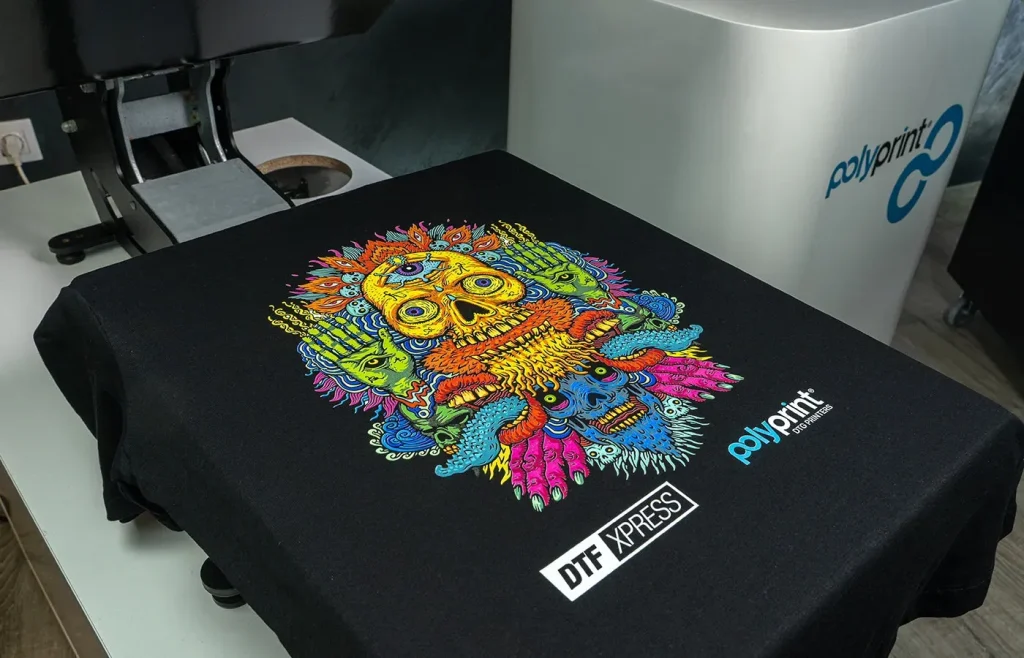
DTF printing, or Direct-to-Film printing, is transforming the landscape of custom apparel by enabling high-quality designs that captivate and endure. This innovative technique involves printing detailed artwork onto a specialized film, which can then be effortlessly transferred onto various fabrics. Known for its versatility and vibrant color output, DTF printing has garnered attention from both enthusiasts and professionals aiming for exceptional results. In this guide, we will provide you with essential DTF printing tips to guarantee your journey towards DTF printing success is smooth and rewarding. Whether you’re a beginner or an experienced printer, understanding the DTF transfer technique can elevate your creations, making your custom DTF prints not only beautiful but also resilient.
Also referred to as Direct-to-Film transfer technology, DTF printing has emerged as a game-changer in the world of garment customization. This forward-thinking process allows for intricate designs that reproduce vibrant colors and sharp details, setting it apart from traditional printing methods. By utilizing a specialized film for transfers, this printing technique opens up numerous creative opportunities for those looking to stand out in the competitive apparel market. With the right approach and knowledge, including DTF printing tips and best practices, anyone can achieve exceptional results. Let’s delve into the essential aspects of DTF printing and how to ensure your projects shine.
Understanding the Basics of DTF Printing
Direct-to-Film (DTF) printing is an innovative method that allows for extraordinarily detailed and vibrant designs to be transferred onto fabrics. This technique involves printing the desired artwork onto a special film that can effectively bond with a variety of materials, making it a highly versatile option for custom apparel. By using DTF printing, print creators can achieve a level of color vibrancy and sharpness that often surpasses traditional methods such as screen printing or heat transfers.
Not only does DTF printing produce high-quality results, but it also offers ease of use and efficiency. The process can accommodate intricate designs with multiple colors, which is particularly advantageous for brands looking to make an impact in the competitive fashion market. Moreover, the flexibility in fabric choices, ranging from cotton to blends, enables businesses to cater to diverse customer preferences.
Choosing the Right Film for DTF Success
Selecting the appropriate film is crucial for achieving success in DTF printing, as it directly impacts the final print quality. High-quality films, such as those produced by reputable brands like A-SUB and Liyuan, are designed to enhance the transfer process. A good film will have a coating that allows the ink to adhere properly, resulting in prints that are not only vivid but also durable over time.
When looking for films, print professionals should consider factors like the film’s thickness, adhesion properties, and compatibility with different types of inks. Ensuring the right film is used can significantly reduce issues like peeling or fading, allowing for long-lasting results that reflect the quality of your designs.
Essential Printer Settings for Optimal DTF Printing
Achieving optimal results in DTF printing heavily relies on the printer settings. Using a dedicated DTF printer or a compatible modified inkjet printer is advisable, as these machines are specifically designed to handle the nuances of DTF technology. Adjusting settings such as temperature, speed, and ink density is essential to producing prints that are sharp and vibrant.
For instance, a well-calibrated printer will produce finer details and better color accuracy, which are paramount when working with intricate designs. Regular maintenance and tuning of printer components can ensure consistent performance, allowing print creators to focus on crafting beautiful designs without worrying about technical inconsistencies.
The Role of Adhesive Powder in DTF Printing
Adhesive powder plays a pivotal role in DTF printing, as it establishes a strong bond between the ink and the fabric, enabling the design to withstand washing and wear. After printing, the application of adhesive powder is essential; however, finding the right balance is crucial. Too much powder can lead to prints feeling heavy or rigid, while too little can result in poor adhesion and premature flaking.
For best results, it’s important to apply the adhesive evenly across the printed area. This ensures that all parts of the design are properly secured to the fabric. New users should experiment with different application techniques to find the method that yields the cleanest, most professional-looking results.
Heat Press Techniques for Flawless Transfers
The heat press technique is fundamental in the DTF printing process, directly affecting the quality of the final output. Simply put, the temperature, pressure, and duration of the heat application can make or break a print. Understanding the specific requirements for different fabric types helps in tailoring the heat press settings effectively, preventing damage to the garment or the print.
To achieve flawless transfers, it’s vital to conduct tests with various fabrics and adjust the heat press parameters accordingly. Attention to detail during this stage can ensure that the prints adhere correctly and maintain their vibrancy, offering lasting quality that meets customer expectations.
Aftercare Tips for Long-Lasting DTF Prints
Proper aftercare is essential in preserving the integrity of DTF prints once they are applied to garments. Educating customers about washing techniques can significantly enhance the longevity of printed items. For instance, advising customers to wash DTF printed garments inside-out in cold water and avoiding bleach or fabric softeners can help maintain color vibrancy and prevent peeling.
Additionally, providing guidelines on drying methods is important; air drying is generally recommended over using a tumble dryer, which can degrade the adhesive properties over time. By emphasizing these care instructions, print creators can ensure customer satisfaction while also protecting the reputation of their brand.
Frequently Asked Questions
What is DTF printing and how does it work?
DTF printing, or Direct-to-Film printing, is a technique where designs are printed onto a special film that is then transferred onto fabric. This method allows for high-quality details and vibrant colors, making it perfect for custom apparel. The process involves printing artwork on a film, applying adhesive powder, and then using a heat press to transfer the design onto the garment.
What are the best DTF printing tips for beginners?
For beginners in DTF printing, start by selecting high-quality films and inks, calibrate your printer settings correctly, and ensure proper pre-press treatment of your garments. Additionally, mastering the heat press technique and applying adhesive powder correctly are critical tips for achieving stunning and durable custom DTF prints.
How do I choose the right materials for my DTF printing projects?
Choosing the right materials is essential for DTF printing success. Opt for high-quality DTF films like A-SUB or Liyuan, and use water-based inks to enhance print durability and vibrancy. Also, ensure that your garments are compatible with DTF techniques to achieve the best results.
What are common mistakes to avoid in DTF printing?
Common mistakes in DTF printing include using low-quality films or inks, incorrect printer settings, inadequate pre-press treatment, and improper application of adhesive powder. Avoiding these pitfalls will help ensure your prints are of high quality and last longer.
How can I ensure the longevity of my DTF prints?
To ensure the longevity of your DTF prints, educate customers on proper aftercare, such as washing garments inside-out in cold water and avoiding bleach or softeners. Following these care guidelines will help maintain the vibrancy and quality of the prints over time.
What trends should I watch for in the DTF printing market?
Current trends in the DTF printing market include an increasing demand for customized apparel and advancements in printing technology. Keeping an eye on these trends allows you to adapt your offerings and potentially increase your market share in the growing DTF printing industry.
| Key Point | Description |
|---|---|
| Choosing the Right Film | Select high-quality films like A-SUB and Liyuan for excellent print quality and durability. |
| Inks Matter | Use high-quality, water-based inks for vibrant and long-lasting prints. |
| Printer Settings | Ensure proper configuration and calibration of your DTF printer or modified inkjet printer. |
| Pre-Press Treatment | Pre-press garments to remove moisture for better ink adhesion. |
| Utilizing Adhesive Powder | Apply the right amount of adhesive powder to secure the bond between ink and fabric. |
| Heat Press Technique | Follow specific guidelines for temperature and pressure during the transfer process. |
| Aftercare | Instruct customers to wash garments inside-out and avoid bleach and fabric softeners. |
| Market Trends | Stay updated on market trends to tailor offerings and maintain competitiveness in the DTF printing industry. |
Summary
DTF printing has become an innovative method for creating high-quality prints that are both vibrant and durable. By understanding the intricacies of DTF printing, such as selecting the appropriate materials, utilizing effective techniques, and staying informed on industry trends, print professionals can enhance the quality of their work significantly. This method provides a unique opportunity to appeal to a growing market for custom apparel, enabling businesses to thrive and expand. Mastering the various aspects of DTF printing, including ink selection, printer settings, and aftercare recommendations, will ultimately lead to exceptional print results and satisfied customers.