
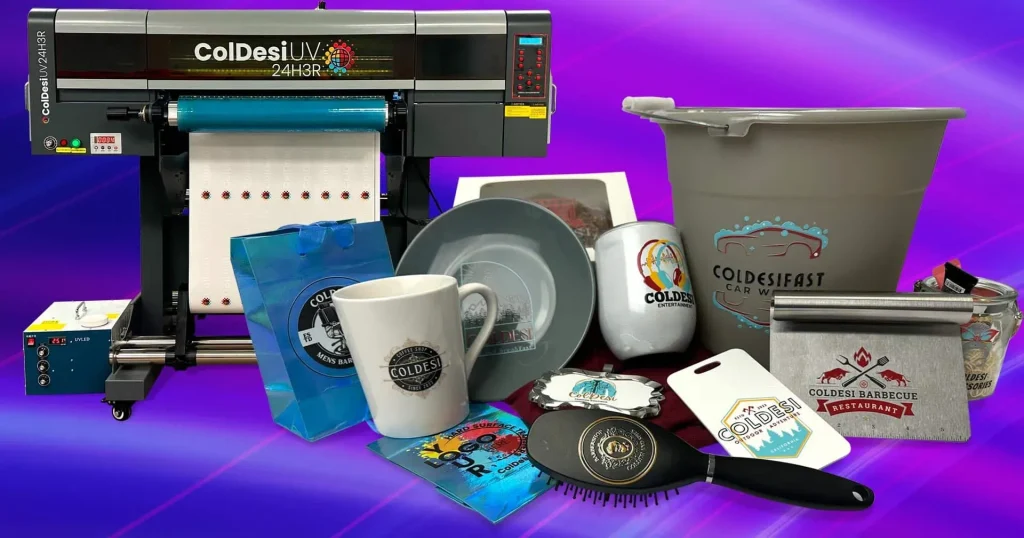
UV DTF printing, or Direct-to-Film printing, stands at the cutting edge of modern printing technology, merging innovative features of UV printing with the versatility of film. This revolutionary method enables businesses to create vibrant prints with remarkable detail on a wide range of surfaces, including textiles, plastics, and metals. With its ability to deliver exceptional print durability and stunning color accuracy, UV DTF printing has quickly become the go-to solution for custom print solutions across various industries. As demand for high-quality, on-demand printing solutions grows, professionals are increasingly turning to this technology for its efficiency and reliability. In this article, we will explore the benefits and applications of UV DTF printing and its significant impact on the future of the printing landscape.
The world of printing has undergone a transformation with the advent of UV Direct to Film technology, a system that has redefined the paradigms of custom printing. This innovative solution combines advanced UV printing methodologies with film-based applications, presenting users with an opportunity to produce eye-catching designs that can withstand the test of time. Beyond just aesthetic appeal, the print durability offered by this technique ensures that outputs remain vibrant even under harsh conditions, making it ideal for various applications, from apparel to promotional materials. As the market strides towards personalized solutions, UV Direct to Film printing has emerged as a preferred choice for creators seeking both quality and adaptability in their projects. In this exploration, we will delve deeper into its operational mechanics and the myriad of benefits it provides.
Exploring the Mechanisms of UV DTF Printing
UV DTF printing stands at the forefront of modern printing technologies, adeptly merging the vibrant qualities of UV printing with the versatility of direct-to-film techniques. By utilizing UV printing technology, this method prints on a specially coated film that is designed to withstand various applications. Once the ink is applied, a UV light instantly cures it, leading to exceptional durability in the final print. This innovative approach not only enhances the vibrancy of the colors but also allows for intricate designs to be realized with remarkable precision.
The curing process in UV DTF printing is a key differentiator, setting it apart from traditional methods like standard inkjet printing. The UV inks used in this method are formulated to create robust prints that resist fading, scratching, and even environmental damage. This level of durability makes UV DTF printing an excellent choice for products that require longevity, such as outdoor signage or merchandise subjected to various conditions. As highlighted by various industry reports, the durability provided by UV DTF technology can significantly enhance product value, appealing to both manufacturers and consumers alike.
Frequently Asked Questions
What is UV DTF printing and how does it work?
UV DTF printing, or Direct-to-Film printing, combines UV printing technology with a direct-to-film method. It prints designs onto a special film, which is then cured using UV light to solidify the inks. This process results in high-quality, vibrant prints suitable for various substrates.
What are the benefits of using UV DTF printing for custom print solutions?
The benefits of UV DTF printing include vibrant colors, durability, and versatility. It allows for precise details and faster printing speeds, making it ideal for businesses looking for effective custom print solutions. UV-cured inks resist scratching and environmental factors, ensuring prints last longer.
Can UV DTF printing be used on different materials?
Yes, UV DTF printing is known for its application versatility. It can print on a wide range of materials including textiles, hard surfaces, promotional items, and signage. This capability makes it an attractive option for businesses aiming to diversify their product offerings.
What challenges might businesses face when adopting UV DTF printing?
Challenges include the initial investment for UV DTF printing equipment and the need for regular maintenance. While the technology is user-friendly, proper care of the printers is vital to avoid issues with curing and ink application.
How does the print durability of UV DTF printing compare to traditional methods?
UV DTF printing offers superior print durability compared to traditional inkjet methods. The curing process used in UV printing enhances the longevity and robustness of inks, making prints less susceptible to scratching and environmental damage.
What trends are currently influencing the growth of UV DTF printing?
The growth of UV DTF printing is influenced by the rising demand for customization, quick turnaround times, and cost-effective solutions. As businesses embrace on-demand printing and innovative custom print solutions, UV DTF technology is becoming increasingly popular.
| Key Aspect | Details |
|---|---|
| Technology Overview | UV DTF printing combines UV printing technology and direct-to-film techniques for high-quality images on varied substrates. |
| Benefits | Delivers vibrant colors, precise details, faster printing speeds, and durability of prints due to UV-cured inks. |
| Ease of Use | The user-friendly software simplifies the printing process, promoting creativity and enabling custom applications. |
| Application Versatility | Can print on a variety of materials, allowing businesses to diversify their products and meet customization demands. |
| Market Trends | Growing demand for cost-effective, versatile UV DTF printing solutions projected to lead industry evolution. |
| Challenges | Initial investment cost and technical maintenance are potential challenges for businesses adopting UV DTF printing. |
Summary
UV DTF Printing is a revolutionary technology that combines the benefits of UV printing and direct-to-film techniques to create vibrant, durable prints on various materials. This innovative printing method allows for exceptional versatility, catering to a wide range of applications from apparel to signage. The user-friendly software associated with UV DTF Printing simplifies the design and printing process, making it accessible for businesses of all sizes. Although there are initial costs and maintenance considerations, the long-term advantages—such as reduced waste and increased productivity—make UV DTF Printing a valuable investment. As the industry continues to innovate, the potential for UV DTF Printing to transform the market by providing customization options and rapid production will only increase, highlighting its importance in the future of printing.