
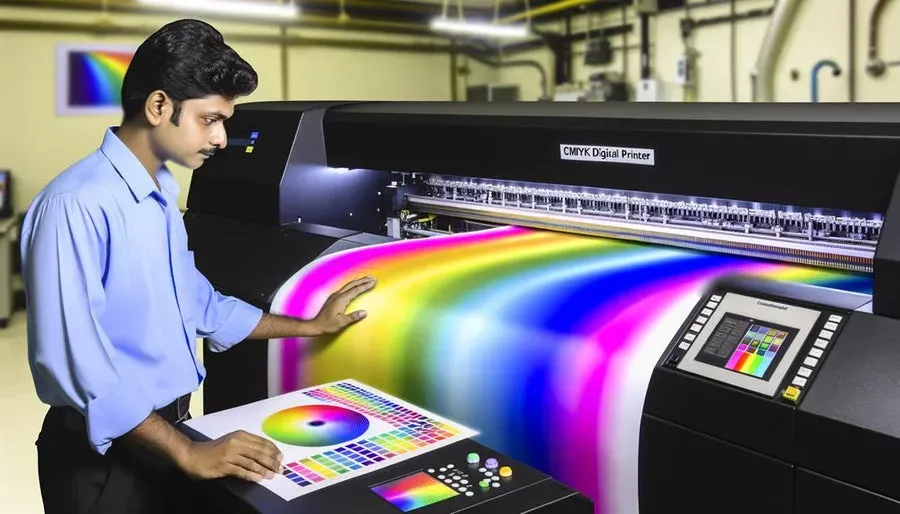
DTF printing color accuracy is the cornerstone of professional, lasting transfers. When you aim for perfect DTF prints, color accuracy isn’t optional—it’s the baseline that separates vibrant, market-ready designs from washed-out results. In this guide, you’ll learn how to optimize color accuracy, master the DTF curing process, and boost the durability of your DTF transfers so you can deliver consistently excellent results to clients and customers alike. We’ll explore how to achieve color fidelity in DTF prints, share direct-to-film printing tips, and offer practical DTF durability tips to help your work withstand repeated wear. With a color-managed workflow, you’ll reduce color drift and keep clients satisfied with vibrant, reliable results.
Translating a digital design to a textile print hinges on color management, not just a single setting. The concept can be framed in terms of hue fidelity, print fidelity on fabrics, and maintainable shade accuracy across different substrates, supported by calibrated monitors, ICC profiles, and RIP configurations. The curing stage, ink chemistry, and adhesive interaction all shape the final look, so a structured workflow is essential. Practical steps include running swatches on the target fabric, validating under various lighting, and documenting parameters to reproduce consistent results.
1. Understanding the Foundations of DTF Printing Color Accuracy
DTF printing color accuracy is the cornerstone of any professional transfer program. This foundation rests on a well-managed workflow that translates digital designs into fabrics with fidelity, aligning monitor previews, ICC profiles, RIP settings, ink chemistry, and substrate behavior. Achieving true color fidelity begins long before a printer fires; it requires consistent tool calibration and a color-managed pipeline so that the hues you design match what ends up on cotton, polyester, or blends after curing and finishing.
To build a strong base for color accuracy, establish a repeatable process that includes calibrated assets and standardized test prints. Use consistent color swatches, select compatible white underbases, and account for fabric color and fiber content in your workflow. By locking down materials and color profiles, you reduce drift and set the stage for repeatable results across multiple runs and different ink sets.
2. Building a Color-Managed Workflow for Consistent DTF Output
A color-managed workflow is essential for consistent DTF outputs and directly ties into the concept of direct-to-film printing tips. From design software to RIP settings to the final press, each step should respect a unified color profile and a clearly defined color space. This alignment minimizes surprises when the print transfers from screen to fabric, preserving color fidelity in DTF prints as the design moves through curing and finishing.
Establish a repeatable sequence: load color-managed assets, export proofs that match output profiles, and run small trials on the target fabric. Maintain consistency in materials—substrates, adhesive powders, and inks—and document parameters for future reference. Regular test swatches and neutral-light evaluations help you catch deviations early, ensuring the color results stay within expected tolerances across shifts in lighting or batch production.
3. Calibrating Devices for True Color Reproduction
Calibrating devices—monitor, printer, and RIP—creates the alignment necessary for true color reproduction. Monitor calibration sets the baseline so on-screen previews resemble the print, while printer calibration with ICC profiles and RIP adjustments ensures the digital design maps correctly to ink deposition on fabric. This triad of calibration forms the backbone of reliable DTF workflows and reduces the likelihood of unexpected color shifts.
Beyond initial calibration, implement ongoing checks and refresh profiles as inks, fabrics, or printer firmware change. Use soft proofs to anticipate output and perform physical test prints to verify against calibrated references under neutral lighting. Keeping materials consistent—fabric type, white underbase, and adhesive powder—complements device calibration and supports stable color results over time.
4. Mastering the DTF Curing Process for Color Stability
The DTF curing process is a pivotal pillar of color stability and overall durability. Proper curing affects color brightness, adhesion, and washfastness; under-curing can cause smearing and pale whites, while over-curing can dull colors or lead to stiffness. Tailor curing to your ink system and fabric, curing until the surface feels set but before the print becomes tacky, and verify results with a quick wash test after cooling to confirm color stability.
Curing decisions should harmonize with substrate, adhesive, and ink chemistry. Use cure tests to refine time and temperature and adjust for differences between cotton, blends, and synthetics. When color fidelity in DTF prints begins to degrade after laundering, revisit curing parameters and consider small adjustments to ensure the finish remains vibrant while staying durable through repeated washes.
5. Ensuring Color Fidelity and Durability: From Ink to Finish
Color fidelity in DTF prints extends beyond the initial appearance and into long-term wear. Factors such as white layer opacity, drying time, and the interaction between ink and fabric fibers influence how the design resists fading, color bleeding, and edge wear. Planning for color fidelity means testing under hot washes, abrasion, and humidity to understand how the design performs in real-world conditions.
Durability tips for DTF printing emphasize correct finishing and post-processing. Ensure even adhesive powder distribution, thorough curing, and a deliberate post-press step to smooth texture and boost wear resistance. Substrate-specific parameter tuning—whether cotton, blends, or synthetics—helps maintain color strength after multiple laundry cycles and reduces the risk of delamination or edge cracking, delivering reliable, color-accurate outcomes.
6. Practical Lab and On-Garment Testing: Swatches, Wash Tests, and Quality Assurance
A rigorous testing regime is essential for confirming both color fidelity and durability in real-world use. Create swatches that include white ink layers, color overlays, and final transfers on the target fabric, then evaluate under neutral daylight and varied light sources to simulate showroom and wearable conditions. Short wash tests validate washfastness and color stability, revealing how well the curing and finishing hold up under repeated laundering.
Quality assurance should be a documented, iterative process. Record parameter sets for each fabric and ink combination, inspect edge crispness and color fill, and monitor how finishes feel to the touch. Incorporate learnings from test results into your workflow, adjust curing and finishing steps as needed, and use ongoing lab testing to ensure all DTF transfers meet the expectations of color accuracy, durability tips, and long-term performance.
Frequently Asked Questions
What is DTF printing color accuracy and how does the DTF curing process impact it?
DTF printing color accuracy is the faithful reproduction of digital colors on fabric transfers. The DTF curing process directly affects color brightness, ink adhesion, and washfastness. Under-curing can cause color smear and whites turning yellow, while over-curing can dull vibrant hues. To optimize, match curing time and temperature to your ink system and fabric, run a quick wash test after cooling, and use small test swatches to verify color fidelity.
How can you improve color fidelity in DTF prints through proper color management and the DTF curing process?
Color fidelity in DTF prints improves with a color-managed workflow: calibrate the monitor, install ICC profiles for your printer and fabric, and use a RIP with consistent color management. The DTF curing process must be tuned for your ink and substrate; run test prints, check them under neutral lighting, and adjust cure time and temperature as needed. Use consistent materials to reduce variability and repeat results.
What are some direct-to-film printing tips to achieve consistent DTF printing color accuracy across fabrics?
Direct-to-film printing tips include starting with a color-managed pipeline—monitor calibration, ICC profiles, and a repeatable RIP workflow; design with color profiles in mind; print test swatches on the target fabric and compare under neutral daylight. Keep materials consistent, verify white underbases and ink layers, and tune the curing step for each fabric. This approach supports reliable DTF printing color accuracy across different substrates.
How do finishing steps influence DTF durability tips and color accuracy, especially after washing?
Finishing steps such as powdering, curing, and post-press are critical to both durability and color stability. Even powder distribution and a controlled cure prevent edge lifting and color shifts, improving durability tips and color accuracy. Run a short wash test after curing to verify washfastness and adjust curing parameters or finishing steps if color or adhesion degrades. A solid finish helps maintain vivid, color-accurate transfers over time.
How should you test color fidelity in DTF prints under different lighting to ensure consistent results?
Test color fidelity in DTF prints by comparing against calibrated references under multiple lighting conditions, starting with neutral daylight as a baseline. Use a color-managed workflow and document deviations to tighten the workflow over time. This practice helps ensure consistent color fidelity in DTF prints across environments and lighting.
What is a simple, color-managed workflow for maintaining DTF printing color accuracy from design to final transfer?
Adopt a color-managed workflow: calibrate your monitor, install printer and fabric ICC profiles, and use a RIP with consistent color management; design with color-managed software and export proofs that match output profiles; print test swatches on the target fabric and verify under neutral lighting; tune the curing process and perform brief wash tests; document parameters for repeatability to sustain DTF printing color accuracy.
| Key Point | Description |
|---|---|
| Definition of color accuracy | Essential to translate digital designs into faithful fabric prints; not just screen hues. |
| Color management workflow | Develop a reliable workflow from design to substrate, including color profiles, RIP settings, and standardized assets. |
| Calibration steps | Calibrate monitor, printer, and workflow software to align on-screen colors with the printed result. |
| Consistent materials | Use consistent inks, white underbase, and substrate to stabilize outcomes. |
| ICC profiles and test workflow | Build or install ICC profiles; design with color-managed software; run small test prints on target fabric; compare with references under neutral lighting; iterate adjustments. |
| Curing importance | Curing affects brightness, adhesion, and washfastness; cure properly to avoid smearing or oversaturation. |
| Color fidelity and durability | Fidelity depends on washing, heat, and sunlight exposure; test under typical wear and adjust curing, fabric, and press settings. |
| Finishing and durability | Durability comes from precise finishing steps: powder distribution, controlled curing, and post-press smoothing to enhance wear resistance. |
| Practical workflow tips | Color-managed pipeline; design with profiles; print swatches; keep materials consistent; validate curing; document parameters. |
| Common mistakes | Under-curing, over-curing, incompatible fabrics, and skipping test prints. |
| Quality assurance | Check color balance under multiple light sources; inspect edges; perform wash tests; confirm finish and hand feel. |
Summary
DTF printing color accuracy is the foundation of professional transfers. A color-managed workflow, careful calibration, and standardized materials drive consistent, vibrant results that survive washing and wear. By validating prints with test swatches, neutral-light comparisons, and controlled curing, you minimize color drift and edge issues. Practical tips—documenting parameters, performing regular wash tests, and maintaining consistent substrates—help sustain color fidelity across production runs. Emphasizing these elements leads to durable, color-accurate DTF transfers you can confidently deliver to clients and customers.