
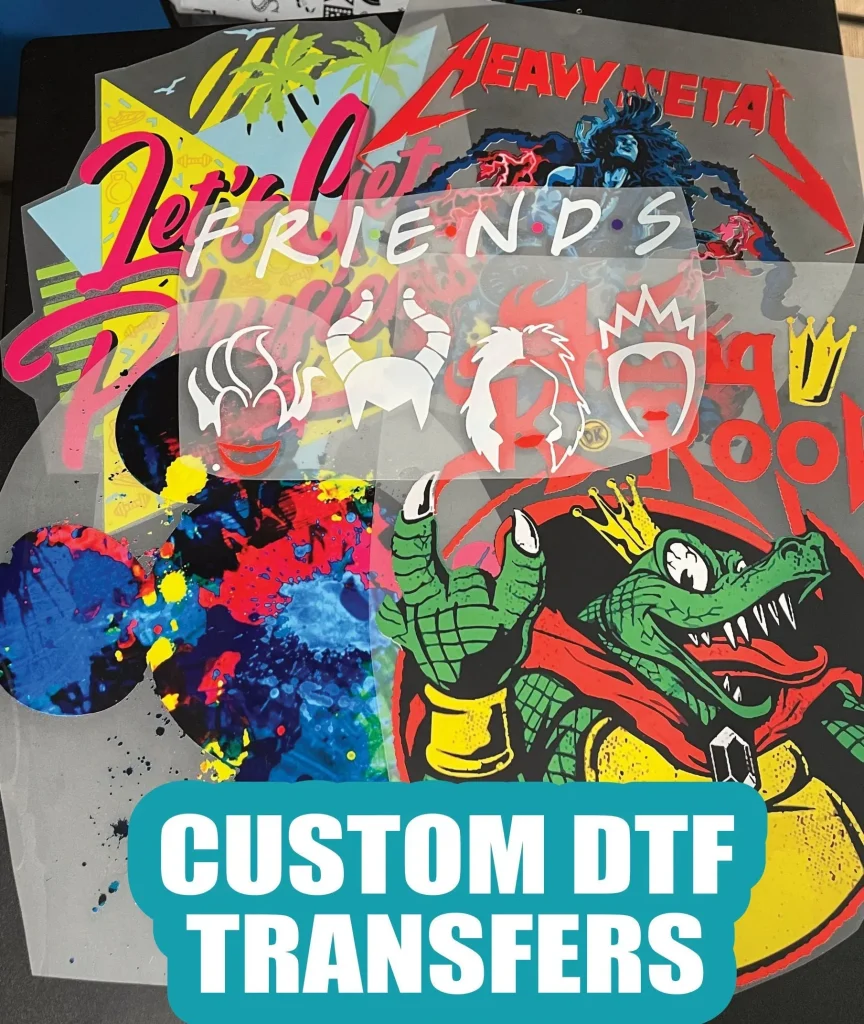
DTF transfers, or Direct-to-Film printing, are revolutionizing the custom apparel printing industry with their impressive quality and versatility. Unlike traditional methods such as screen printing, DTF transfers enable vibrant, high-resolution prints on a wide array of fabric types without extensive setup. This modern printing technique not only maintains cost-effectiveness for short runs but also enhances design possibilities, appealing to both businesses and creative individuals. As the demand for unique, personalized clothing rises, so do the benefits of DTF printing, making it a sustainable choice for environmentally-conscious brands. Embracing DTF transfers offers a forward-thinking solution that positions businesses favorably in the competitive custom apparel market.
Direct-to-Film printing, often referred to as DTF techniques, is swiftly gaining traction as the go-to method for custom clothing production. This innovative approach streamlines the printing process, providing high-quality results that rival traditional methods like screen or heat transfer printing. By leveraging the efficiency of DTF technologies, businesses can easily cater to diverse customer needs while maintaining excellent print consistency. With an increasing focus on sustainability, DTF printing also stands out thanks to its use of eco-friendly materials and reduced waste practices. As we explore DTF and its myriad advantages, it becomes evident that this process may likely redefine the future landscape of bespoke apparel.
The Advantages of DTF Printing for Custom Apparel
DTF printing offers several distinct advantages over traditional methods, making it a preferred choice for custom apparel printing. One significant benefit is its ability to produce vibrant, high-quality prints. With DTF transfers, intricate designs, and full-color images can be rendered with precision, ensuring that every detail pops on the fabric. This advantage appeals particularly to brands looking to stand out in a saturated market, where visual appeal is paramount.
Moreover, DTF printing is incredibly versatile, as it works well on various fabric types, including cotton, polyester, and blends. This flexibility allows businesses to cater to a broader audience, producing items ranging from casual wear to professional uniforms. The ease of use and adaptability of DTF transfers make them an essential tool for anyone serious about custom apparel.
Exploring DTF Printing Benefits
The benefits of DTF printing extend beyond aesthetics. One of the defining features of DTF printing is its cost-effectiveness, especially for short runs. Unlike screen printing, where setup costs can be prohibitive, DTF requires minimal investment in specialized materials. This affordability allows businesses to test new designs or take advantage of transient market trends without incurring heavy losses.
Furthermore, DTF transfers provide a quicker turnaround for orders. This efficiency is a game changer for businesses that thrive on fast fashion or on-demand items. With DTF technology, companies can streamline their production process, allowing them to fulfill customer requests swiftly while maintaining a high-quality standard.
Sustainability in DTF Printing Processes
Sustainable printing practices are becoming increasingly important in today’s market, and DTF printing is at the forefront of this trend. By utilizing water-based inks and reducing material waste, DTF printing aligns with eco-conscious initiatives that attract consumers looking for sustainable options. This method significantly lowers the carbon footprint associated with traditional printing methods, making it a more responsible choice for brands aiming to enhance their corporate social responsibility.
Additionally, the lower energy consumption during DTF printing operations further underscores its sustainability. As companies become more conscious of their environmental impact, those that adopt DTF transfers can promote their commitment to eco-friendly practices, appealing to a growing demographic of environmentally aware customers.
DTF Print Quality vs. Other Printing Methods
When comparing DTF print quality to other printing methods like screen printing and DTG, it’s evident that DTF offers a unique blend of advantages. DTF printing delivers exceptional detail and color vibrancy, often surpassing screen printing in the ability to reproduce complex designs with clarity. The prints created through DTF technology are not only visually appealing but also durable, with resistance to fading and cracking, which is vital for long-lasting apparel.
In contrast, while screen printing excels in specific situations, it may not deliver the same level of detail and color range as DTF, especially for smaller orders. Additionally, DTF’s ability to print on various materials without requiring pretreatment gives it a competitive edge over DTG, making it a versatile solution for diverse printing needs.
Accessibility of DTF Printing for Entrepreneurs
One of the standout features of DTF printing is its accessibility to small businesses and entrepreneurs. The relatively low cost of DTF printers and materials means that aspiring designers can enter the custom apparel market without facing the financial barriers typically associated with more traditional printing methods. This democratization of printing technology inspires creativity and innovation among newcomers.
By allowing smaller operations to produce high-quality custom designs on demand, DTF has opened up the market for a variety of unique apparel brands. This accessibility fosters diversity in the marketplace, encouraging new players to bring their visions to life without the hefty initial investment that screen printing requires.
DTF Printing: The Future of Custom Apparel
As we look to the future, DTF printing is poised to redefine the custom apparel landscape. With its combination of quality, efficiency, and sustainability, DTF transfers represent the modern approach that consumers and businesses alike are seeking. The ongoing innovations in DTF technology promise even greater improvements in print capabilities and production speed, further solidifying its position as a top choice for custom printing.
In conclusion, as more businesses recognize the advantages that DTF printing offers—particularly its blend of vibrant prints, cost efficiency, and eco-friendliness—it is clear that this technology will play a pivotal role in the evolution of custom apparel printing. The future looks bright for DTF, with opportunities for growth and expansion in various market niches.
Frequently Asked Questions
What are the benefits of using DTF transfers for custom apparel printing?
DTF transfers offer numerous benefits for custom apparel printing including vibrant colors, high-quality prints, and the ability to print on various fabric types. This method is cost-effective for short runs, making it ideal for small businesses and startups looking to enter the custom apparel market without hefty investments.
How does DTF printing compare with screen printing?
DTF printing stands out in comparison to screen printing as it provides more cost-effective solutions for small orders while maintaining high print quality. Unlike screen printing, which can be inefficient for low volume runs, DTF allows for intricate designs at lower costs, enhancing accessibility for custom apparel businesses.
What is the print quality of DTF transfers like?
The print quality of DTF transfers is exceptionally high, thanks to advancements in ink formulations that ensure durability and color vibrancy. DTF printing’s ability to reproduce intricate designs without losing detail makes it a preferred choice for many custom apparel creators.
Are DTF transfers an eco-friendly option for custom apparel printing?
Yes, DTF transfers are considered a more environmentally friendly option compared to traditional printing methods. They utilize water-based inks and generate less material waste, making them an appealing choice for brands committed to sustainable printing practices.
Can small businesses afford DTF printing equipment?
Absolutely! One of the significant advantages of DTF printing is its affordability. Small businesses can invest in DTF printers and associated materials with minimal upfront costs, enabling them to easily enter the custom apparel market and respond to consumer demands effectively.
What makes DTF printing a sustainable choice for custom apparel production?
DTF printing is a sustainable choice due to its reduced material waste, use of eco-friendly inks, and less energy consumption during production. This eco-conscious approach appeals to consumers looking for environmentally responsible purchasing options in custom apparel.
| Key Point | Details |
|---|---|
| Introduction to DTF Printing | DTF printing is transforming the custom apparel industry with vibrant, high-quality prints on various fabrics. |
| Process of DTF Printing | Involves printing inks onto a film which is then transferred to fabric using heat; requires minimal setup. |
| Market Growth | Rising demand for personalized clothing drives growth; DTF expected to dominate by 2025 for custom apparel. |
| Quality Improvements | Advancements in inks and equipment enhance durability and production speed. |
| Sustainable Practices | DTF printing uses water-based inks and reduces waste, appealing to eco-conscious consumers. |
| Accessibility for Small Businesses | Affordable printers empower entrepreneurs to enter the custom apparel market. |
| Comparative Advantages | Combines benefits of DTG and screen printing, offering speed and cost effectiveness for low runs. |
Summary
DTF transfers are quickly positioning themselves as the premier choice in the custom apparel printing industry, thanks to their impressive print quality and efficient production processes. This revolutionary printing method not only provides vibrant designs on a variety of fabrics but also empowers small businesses by lowering entry barriers. With growing consumer demand for personalized and sustainable products, and advancements in technology enhancing both quality and speed, DTF transfers are set to revolutionize the way custom apparel is produced. As we delve into this evolving landscape, businesses and creatives alike are increasingly recognizing the potential of DTF transfers to meet modern demands while being environmentally conscious.