
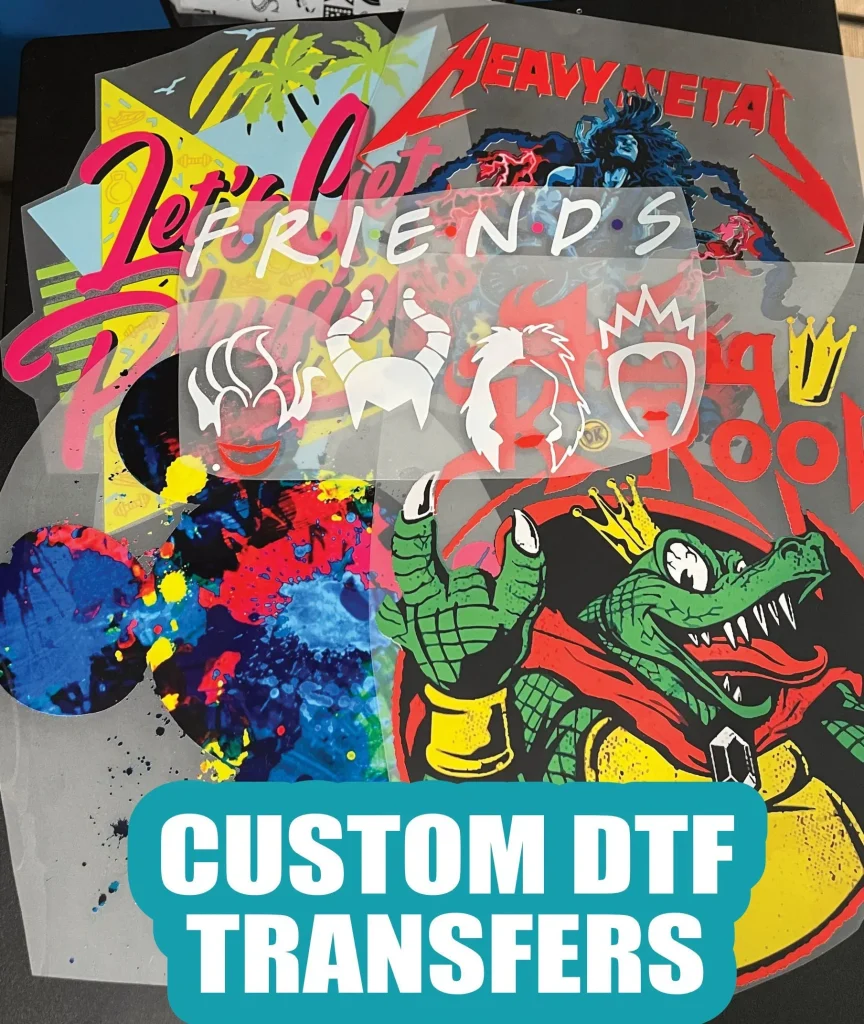
DTF transfers, or Direct-to-Film transfers, represent a revolutionary advancement in fabric printing technology, offering creators an innovative way to apply vivid designs to textiles. This technique combines high-quality imagery with impressive durability, making it a preferred option for both custom apparel printing enthusiasts and businesses looking to stand out. With the rise of DTF heat transfer methods, the landscape of fabric decoration is evolving, enabling the production of vibrant fabric prints on a variety of materials. In this article, we delve into why DTF transfers are touted as the future of printing, highlighting their advantages and the latest innovations shaking up the industry. As demand grows for unique, personalized textiles, understanding the benefits of DTF technology becomes crucial for those in the market.
Direct-to-Film (DTF) printing offers an innovative solution for textile decoration, also referred to as DTF transfers. This cutting-edge fabric printing technique allows for intricate designs to be aligned perfectly onto film before being seamlessly applied to various textiles. Unlike traditional methods, such as screen printing or heat transfers, DTF technology brings forth a new level of efficiency and color vibrancy that captivates both businesses and individual creators. Additionally, with options for customizing apparel expanding rapidly, DTF transfers make it easier than ever to achieve stunning fabric prints that stand the test of time. As the printing industry evolves, the significance of DTF printing in delivering high-quality, durable designs cannot be underestimated.
Understanding the Basics of DTF Transfers
DTF transfers, or Direct-to-Film transfers, represent a groundbreaking technology in fabric printing. This method involves printing stunning designs directly onto a film and then transferring them onto fabric using heat. The result is a high-quality fabric print that captures intricate details and vibrant colors, setting it apart from conventional printing techniques. Traditional methods like screen printing often struggle with complex designs, but DTF opens up new possibilities, allowing for full-color imagery and unique artistic expressions.
Moreover, the versatility of DTF transfers enables creators to apply them to a variety of fabrics—ranging from cotton to blends and synthetics. Unlike traditional sublimation techniques that necessitate specific materials or pre-treatments, DTF transfers can be utilized on most substrates effortlessly. This accessibility allows artisans and businesses to explore diverse fabric options without limitations, making DTF transfers a favorite in the custom apparel printing space.
The Vibrancy and Quality of DTF Heat Transfers
One of the standout features of DTF heat transfers is their ability to produce incredibly vibrant colors. The high-quality inks used in DTF printing ensure that designs are bold, lifelike, and visually captivating. With brands like Insta Graphic Systems leading the charge in developing innovative DTF heat transfer products, businesses can now offer stunning, durable prints that remain vivid wash after wash. The richness of color achieved through this process has significantly elevated the standards in the fabric printing industry.
In addition to color vibrancy, the quality of DTF transfers is unmatched, making it a preferred choice for custom apparel printing. As these transfers bond seamlessly with the fabric, they not only enhance the garment’s aesthetic appeal but also contribute to its overall durability. Unlike other methods that may produce fading or peeling over time, DTF technology ensures that prints maintain their striking appearance, providing consumers with long-lasting, beautiful products.
The Robust Durability of DTF Prints
Durability is a critical factor when it comes to fabric prints, and DTF transfers excel in this area. The ink used in DTF printing forms a solid bond with the fabric fibers during the heat transfer process, resulting in prints that are resistant to wear and tear. This characteristic is particularly beneficial for businesses focused on producing high-quality apparel, as it reduces the likelihood of color fading and print damage over time.
Furthermore, garments that employ DTF technology maintain their pristine condition even after multiple washes. This longevity not only enhances customer satisfaction but also promotes brand loyalty. Companies can confidently market their products as high-quality, durable, and attractive options in a crowded marketplace, ensuring that consumers receive exceptional value for their investment.
Versatility: Exploring Fabric Options with DTF Technology
One of the key advantages of DTF technology is its exceptional versatility. Unlike traditional printing methods that often impose limitations on fabric types, DTF transfers can be applied across a wide array of materials, including cotton, polyester, and their blends. This capability allows brands to expand their product offerings and tap into various markets, catering to different customer preferences.
In addition, the lack of extensive pre-treatment procedures makes DTF a simpler choice for businesses looking to enhance their fabric ranges. Crafters and manufacturers can enjoy the flexibility of experimenting with different designs and fabrics, unlocking new creative avenues while meeting diverse consumer demands in the custom apparel industry. As a result, DTF transfers serve as a vital tool for those seeking to innovate and differentiate themselves in the competitive fabric printing landscape.
Efficiency and Cost-Effectiveness of DTF Printing
DTF printing is not only about vibrant designs and durability; it also streamlines the production process, offering efficient workflow capabilities. By simplifying the transfer method, DTF technology reduces operational times significantly. Companies like Sam’s DTF Transfers have successfully tapped into this efficiency by providing in-house services that meet the rising demand for quick and high-quality custom apparel.
The cost-effectiveness of DTF transfers cannot be overstated. While the initial investment in DTF printing equipment may seem significant, the long-term savings achieved through reduced labor and material waste make it a financially sound choice for businesses. As DTF technology continues to mature and evolve, it promises to deliver not only quality products but also improved profit margins for businesses looking to succeed in the fabric printing market.
Comparing DTF Transfers with Traditional Printing Methods
When it comes to fabric printing, a comparison between DTF transfers and traditional methods like screen printing or sublimation reveals some clear advantages of DTF technology. While sublimation requires wholly polyester substrates and various pre-treatment procedures, DTF transfers can adapt to a broader spectrum of fabrics without complex preparations. This versatility positions DTF as an accessible choice for small and medium-sized businesses aiming to serve diverse customer bases.
Moreover, the quality of DTF prints offers a competitive edge over conventional methods. By eliminating the need for labor-intensive setups needed in techniques like screen printing, DTF allows businesses to produce high-quality prints faster and more cost-effectively. This operational flexibility is crucial in today’s fast-paced market, where timely delivery and innovative designs are paramount to capturing consumer interest.
Frequently Asked Questions
What are DTF transfers and how do they work?
DTF transfers, or Direct-to-Film transfers, are a modern fabric printing technology that prints vibrant graphics onto a special film. This film is then heat-pressed onto a variety of fabrics, allowing for high-quality, detailed designs without the complexities of traditional methods like screen printing. It provides a versatile solution for custom apparel printing.
What advantages do DTF heat transfers offer over traditional printing methods?
DTF heat transfers provide several advantages, including vibrant fabric prints, durability, and versatility. Unlike traditional methods such as sublimation, DTF can be applied to a wider range of fabrics without pre-treatment, making it ideal for businesses looking to create diverse custom apparel efficiently.
Are DTF transfers suitable for all types of fabrics?
Yes, DTF transfers are suitable for a variety of fabrics such as cotton, polyester, and blends. This versatility allows for seamless custom apparel printing across different materials, making DTF a preferred choice for many designers and businesses in the fabric printing industry.
How long do DTF transfers last compared to other printing techniques?
DTF transfers are known for their durability, as they create a strong bond with fabric fibers, ensuring that prints withstand wear and tear better than many traditional techniques. This longevity means custom apparel printed with DTF stays vibrant and looks new longer, providing excellent value.
Can you explain the cost-effectiveness of using DTF transfers?
While the initial cost of DTF printing equipment may be higher, the long-term savings on labor and materials make it cost-effective for businesses. DTF transfers allow for high-quality outputs without the need for extensive setups for each print job, ultimately maximizing profit margins.
What innovations are shaping the future of DTF transfers?
Recent innovations in DTF technology, like those from companies such as Insta Graphic Systems and DTFPrinter, are focused on enhancing production capabilities and providing easier access to high-quality transfers. These advancements are revolutionizing custom apparel printing, ensuring that DTF remains at the forefront of fabric printing technology.
| Key Points | Details |
|---|---|
| What are DTF Transfers? | A method allowing high-quality graphics to be printed on film and heat-pressed onto fabric, offering versatility and precision. |
| Key Advantages | |
| 1. Vibrancy and Quality | Produces vivid colors and lifelike designs, enhancing the visual appeal. |
| 2. Durability | Prints withstand wear and tear, maintaining their appearance longer. |
| 3. Versatility | Works on various fabrics without pre-treatment demands of other methods. |
| 4. Efficiency | Streamlines production times for faster output. |
| 5. Cost-Effectiveness | Reduces long-term costs despite initial equipment investments. |
| Recent Innovations | Companies are developing advanced DTF technologies to improve user experience and production efficiency. |
| DTF vs. Other Printing Methods | DTF offers more accessibility and practicality compared to sublimation on various fabrics. |
| Future of Fabric Printing | DTF transfers are set to dominate the fabric printing landscape, boosting customization trends. |
Summary
DTF transfers are revolutionizing the world of fabric printing by providing vibrant colors, durability, and versatility. As newcomers to this technology continue to innovate, it becomes increasingly clear that DTF transfers will shape the future of fabric decoration. Not only do they allow for superior graphics on varied substrates, but they also streamline the printing process, making it an ideal choice for both aspiring crafters and established businesses. In a market demanding quality and adaptability, adopting DTF transfers could be the pivotal strategy that businesses need to thrive.