
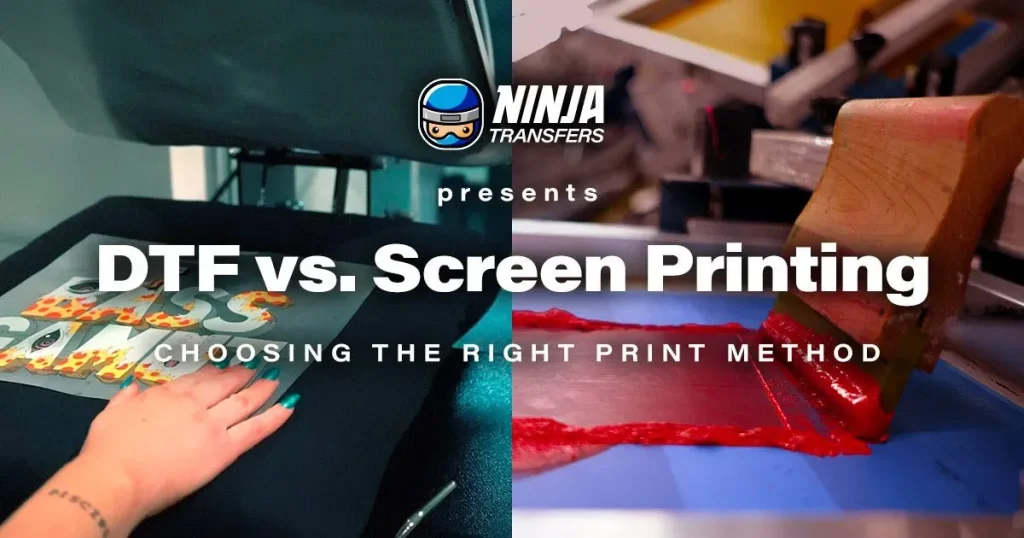
When considering options for personalized clothing, the debate of DTF Transfers vs. Screen Printing comes to the forefront. Both techniques are essential in custom apparel printing, each presenting its own unique set of screen printing differences that cater to diverse needs. DTF printing, known for its vibrant colors and detail reproduction, excels in versatility and is particularly suited for smaller batches. Conversely, screen printing advantages lie in its durability and cost-effectiveness, especially for large orders. Understanding these methods’ strengths and weaknesses will empower you to make the best choice for your specific project.
In the realm of textile customization, DTF techniques and traditional screen printing methods stand out as major contenders. DTF, or Direct-to-Film transfers, utilizes a unique film and adhesive process to achieve detailed and colorful designs, making it a popular choice for bespoke orders. On the other hand, screen printing involves creating layered artwork through stencils, delivering bold designs that are particularly durable for mass productions. As each approach has its own set of benefits and limitations, exploring these alternatives will shed light on which method suits your needs best.
Understanding the Basics of DTF Printing
Direct-to-Film (DTF) printing is revolutionizing the custom apparel industry. Originating from the need for versatility in textile printing, DTF utilizes advanced techniques to transfer detailed designs onto various fabric types, including cotton, polyester, and blends. By printing directly onto a film, this method allows for intricate graphics, sharp details, and a broad color spectrum. This adaptability makes DTF an appealing choice for brands focusing on unique and customized products.
In addition to its versatility, DTF printing is renowned for its time efficiency. Unlike traditional methods that demand significant setup time for color layers, DTF transfers can streamline production, particularly for smaller batches. This not only meets the growing demand for quick turnarounds but also enables businesses to respond to changing market trends swiftly.
Exploring the Advantages of Screen Printing
Screen printing, a time-honored method in the textile realm, stands out due to its robustness and cost-effectiveness. One of the primary benefits is the durability of the prints. Utilizing thick, vibrant inks ensures that screen-printed designs maintain their quality even after numerous washes. This makes screen printing particularly desirable for bulk orders aimed at long-term promotional usage.
Additionally, as screen printing is optimized for large quantities, the cost per unit significantly decreases with higher volumes. This scalability is a key advantage for businesses looking to produce extensive runs of apparel without compromising on quality, ensuring that the graphics remain eye-catching and vivid throughout their lifespan.
However, businesses should be aware that screen printing has its limitations, especially regarding design intricacy. Detailed graphics or intricate designs may present challenges in execution. This factor could lead businesses to consider alternative methods like DTF for specific projects.
DTF Transfers vs. Screen Printing: Pros and Cons
The comparison between DTF transfers and screen printing highlights essential differences that can dictate which method is more suitable for a given project. DTF transfers offer unparalleled flexibility and quick turnaround, making them ideal for custom orders with specific design requirements. This digital process can efficiently handle intricate details and a wide variety of colors, thus appealing to businesses that cater to niche markets or offer personalized products.
On the other hand, screen printing shines in its ability to deliver durability and cost efficiency for mass production. Its long-standing presence in the industry also gives it a reliability factor that many established businesses trust. For larger production runs, the established processes and lower cost per unit render screen printing a more practical choice, especially when dealing with simpler designs.
Current Trends in Custom Apparel Printing
As the apparel printing industry evolves, emerging trends are reshaping how businesses approach customization. DTF printing is gaining traction due to its innovative technology, which allows companies to create quality, vibrant prints that cater to the modern consumer’s desire for personalized products. The rapid advancements in DTF printing technology are making it a viable choice for businesses looking to offer unique apparel solutions.
Meanwhile, screen printing continues to retain its relevance, primarily due to its dependability and cost-benefit ratio for large orders. Businesses leveraging screen printing techniques are often capitalizing on its strengths to produce promotional materials and uniforms that not only meet demand but also maintain a professional and cohesive appearance over time.
How to Choose Between DTF and Screen Printing
Choosing between DTF transfers and screen printing largely depends on the specifics of your project. DTF printing is best suited for small to medium-sized orders that favor design complexity and rapid production pace. For brands focused on limited edition runs or custom designs, DTF offers the flexibility and vibrant results that can capture consumer attention.
In contrast, screen printing should be the go-to option for sizeable orders, particularly when durability and cost-effectiveness are key considerations. Companies looking to produce bulk items will benefit from the economies of scale provided by screen printing, ensuring that they deliver high-quality products without overspending.
The Future of Apparel Customization
As technology continues to advance, significant shifts in apparel customization are expected. Innovations in DTF printing, including improved inks and faster processing times, are likely to expand its application in the industry, enabling businesses to offer even more customized options to their clients. This move towards personalization is not merely a trend but a sign of shifting consumer preferences towards individualized products.
On the other hand, screen printing will also evolve, adapting to new materials and eco-friendly practices to maintain its relevance. Companies are increasingly seeking sustainable methods in production, and screen printing is making strides to incorporate greener practices while upholding its established processes. The future of apparel printing will likely feature a blend of both DTF and screen printing, each fulfilling the needs of diverse market segments.
Frequently Asked Questions
What are the key differences between DTF Transfers and Screen Printing?
DTF Transfers and Screen Printing differ mainly in their process and application. DTF printing uses a special film to transfer designs onto fabrics, resulting in vibrant colors and intricate details, making it great for small batches. In contrast, screen printing involves ink being pushed through a stencil onto the fabric, which excels in durability and cost-effectiveness for large orders but is less capable of fine detail.
What are the benefits of using DTF printing for custom apparel projects?
DTF printing provides several benefits for custom apparel projects, including versatility across different fabric types, the ability to reproduce detailed images and vibrant colors, and a quick turnaround for small orders. It is particularly suitable for customers who desire unique, high-resolution designs without the overhead of large batch sizes.
When should I choose Screen Printing over DTF Transfers for my project?
Choose Screen Printing for projects that require high durability and are in larger quantities. It becomes cost-efficient as order sizes increase, making screen printing ideal for bulk orders, promotional items, and simpler designs that benefit from solid colors and strong visibility.
Are DTF Transfers suitable for intricate designs compared to Screen Printing?
Yes, DTF Transfers are particularly well-suited for intricate designs due to their ability to reproduce high-resolution images and fine details. In contrast, Screen Printing, while colorful and vibrant, may struggle with complex images and intricate patterns due to its reliance on thicker inks.
What are the limitations of DTF printing in comparison to Screen Printing?
DTF printing has some limitations, including lower durability compared to Screen Printing; prints may wear faster with repeated washing. Additionally, DTF can be more expensive per unit for larger productions due to setup and material costs, while screen printing benefits from lower costs at higher volumes.
How does the setup time differ between DTF Transfers and Screen Printing?
DTF Transfers typically have a quicker setup time, allowing for faster production speeds, especially for small orders. Screen Printing, however, requires more time to prepare the stencils and layers for each color, often making it less efficient for smaller, custom jobs.
| Key Points | DTF Transfers | Screen Printing |
|---|---|---|
| Advantages | Versatile on various fabric types; high resolution prints; low minimum orders; quick turnaround. | Durable and long-lasting prints; cost-effective for bulk orders; vibrant colors for solid designs. |
| Disadvantages | Less durable than screen prints; potentially higher cost for larger production runs. | Limited detail for intricate designs; longer setup times; higher minimum order requirements. |
| Best For | Small orders needing detail and quick flexibility. | Large orders focused on durability and cost efficiency. |
Summary
DTF Transfers vs. Screen Printing is a critical comparison for anyone involved in customizing apparel and textiles. Understanding the nuances of these two printing methods can significantly impact your production choices. DTF transfers excel in versatility and detail, making them suitable for small orders and intricate designs, while screen printing remains a cost-effective option for larger volumes with an emphasis on durability and vibrant colors. By evaluating project requirements and desired outcomes, you can determine the most effective printing method to meet your specific needs, ensuring high-quality results for your customers.