
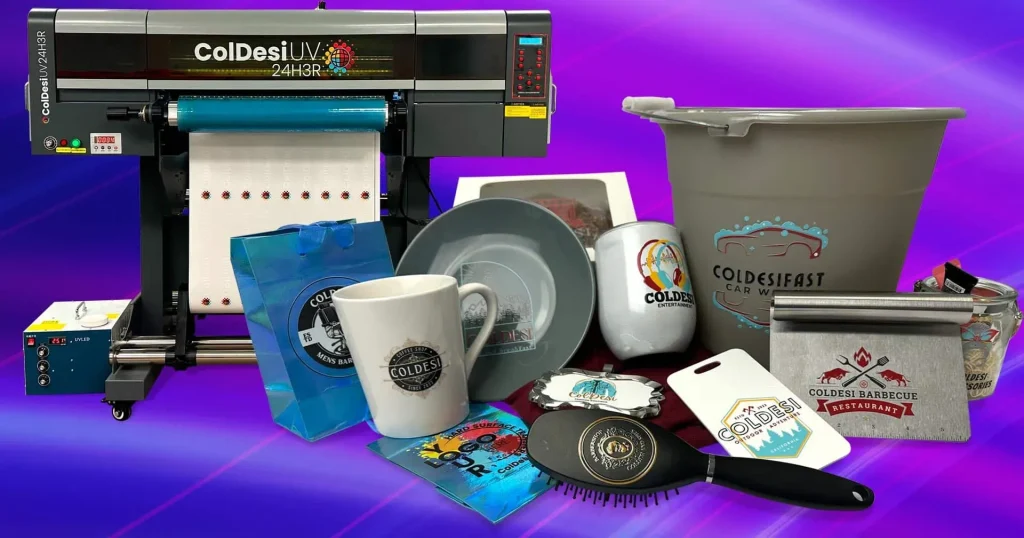
In the ever-evolving world of printing technologies, UV DTF (Direct to Film) printing stands out as a revolutionary approach, merging the benefits of digital printing with advanced UV curing techniques. This innovative process allows for vibrant, high-quality prints on various materials, challenging the capabilities of traditional printing methods such as screen printing and offset printing. With its rapid production speed and exceptional durability, UV DTF printing empowers businesses to meet their diverse printing needs effectively and efficiently. As sustainable practices become paramount, this method also shines by minimizing waste and using ink more responsibly compared to conventional techniques. Join us as we explore the remarkable advantages of UV DTF printing over traditional printing methods, guiding you in making the best choices for your projects.
Also referred to as Direct to Film UV printing, this cutting-edge printing technology offers a modern spin on conventional techniques like screen and offset printing. By leveraging UV light to cure inks directly onto various substrates, this process not only enhances print durability but also opens doors to a wider range of materials that traditional printing struggles with. As digital printing continues to gain foothold in the market, UV DTF provides an exciting alternative that combines speed with quality, making it a preferred choice for many businesses today. In this discussion, we will delve deeper into the key attributes that distinguish UV DTF from other established printing technologies, helping you navigate this remarkable landscape.
Understanding UV DTF Printing and Its Unique Features
UV DTF Printing represents a significant advancement in the printing industry, merging the innovative Direct-to-Film technology with ultra-violet curing capabilities. This method excels in producing vibrant, high-definition prints that showcase intricate designs with remarkable detail. Unlike traditional printing approaches such as screen printing, which can struggle to replicate complex graphics accurately, UV DTF ensures that colors remain consistent and vivid across a variety of applications. The technology’s inherent ability to adhere to diverse surfaces, including challenging materials such as plastics and metals, further establishes its versatility as a modern printing solution.
One of the core features of UV DTF printing is its rapid curing process, where ultraviolet light solidifies the ink almost instantly upon application. This distinct advantage not only accelerates production time but also enhances the durability of the prints, making them resistant to environmental factors such as moisture, UV exposure, and scratches. In contrast, traditional methods may involve lengthy curing times and multiple layers, affecting overall efficiency. By adopting UV DTF printing, businesses can achieve high-quality outputs while streamlining their workflow.
Comparing UV DTF to Screen Printing
When juxtaposing UV DTF printing with screen printing, a few stark differences become evident. Screen printing, while an established technique celebrated for its vibrancy and color saturation, is inherently labor-intensive. It requires intricate setups with multiple screens for different colors, which can be cumbersome for complex designs. Conversely, UV DTF printing simplifies the process; it allows for seamless multi-color prints without the need for separate screens, enabling quicker adaptation to design changes and reducing production time.
Furthermore, the limit on substrates in screen printing can often hinder creativity. This method primarily excels with certain textiles and paper products; however, it struggles with non-porous materials. UV DTF’s versatility sets it apart, offering businesses unprecedented opportunities to print on various substrates, from hard surfaces to flexible materials. This opens up new avenues for product offerings that screen printing would find challenging to accommodate.
Cost Analysis: UV DTF vs. Offset Printing
In the ever-evolving landscape of printing technologies, cost-effectiveness remains a key consideration. When comparing UV DTF to traditional offset printing, businesses may find the initial costs associated with offset printing to be misleading. While offset printing may appear cheaper upfront, the associated costs for printing plates and extensive setup can accumulate, especially for smaller runs. In contrast, UV DTF’s straightforward setup process eliminates many of these initial expenditures, allowing for reduced costs, especially useful for short-run projects and custom orders.
Moreover, UV DTF printing’s ability to produce high-quality results at faster speeds leads to significant savings in labor and time. This efficiency allows businesses to increase output without compromising on quality, ultimately enhancing profit margins. The swift turnaround times offered by UV DTF make it a viable alternative for companies that need both quality and quick response capabilities in their printing endeavors.
Environmental Impact of UV DTF Printing
As businesses become increasingly conscious of their environmental footprint, the comparison between printing methods extends to sustainability. UV DTF printing is often lauded for its lower ink consumption compared to traditional processes like offset or screen printing, which can lead to excessive waste. Additionally, the lack of volatile organic compounds (VOCs) emitted during the UV curing process makes it a greener option in the printing industry. As customers grow more eco-conscious, UV DTF positions itself as a reliable and responsible choice.
However, it is important to note that while the UV curing process is less wasteful, it does have energy demands due to the powerful UV lights required for curing. The printing industry continuously seeks advancements in energy-efficient technologies, and the industry’s transition to LED UV curing represents a significant step towards enhanced sustainability. Thus, while UV DTF printing presents several environmental advantages, it is essential to remain aware of its energy consumption as the technology matures.
The Versatility of UV DTF Printing
One of the standout characteristics of UV DTF printing is its remarkable versatility, which allows for printing on a diverse array of substrates. Unlike traditional printing methods such as offset or screen printing, which typically focus on paper or fabric, UV DTF can effectively print on materials including plastics, metals, glass, and wood. This opens immense possibilities for product creators, enabling them to explore new markets and increase their product lines without significant alterations to their current processes.
This ability to adapt to various surfaces does not merely enhance creativity; it also mirrors the evolving demands of modern consumers who are increasingly looking for custom, unique products. Businesses can respond to such demands efficiently by utilizing UV DTF printing, offering personalized items and small runs without the high upfront costs characteristic of traditional methods. As a result, companies can meet customer expectations for customized and high-quality products, leveraging UV DTF’s flexibility.
Emerging Trends in UV DTF Technology
As we look forward to the future of printing technologies, several trends are emerging around UV DTF printing that are worth noting. One key development is the refinement of UV LED curing technology, which promises not only to reduce energy consumption but also to improve curing speeds. These advancements will allow businesses using UV DTF printing to increase efficiency and further enhance sustainability. The pursuit of innovative inks that boast better adhesion and vibrancy is also gaining momentum, pushing the capabilities of UV DTF printing even further.
Moreover, the growing demand for personalized and on-demand products is reshaping how printing businesses operate. With UV DTF technology accommodating quick customization without compromising on quality, it perfectly aligns with these market trends. As personalization continues to be a driving force across industries such as fashion, promotional products, and packaging, the adaptability of UV DTF printing facilitates businesses in meeting these evolving consumer preferences and enhancing competitive advantage.
Frequently Asked Questions
What are the advantages of UV DTF printing over traditional printing methods?
UV DTF printing offers numerous advantages over traditional printing methods such as screen printing and offset printing. It provides superior print quality with exceptional detail, vibrant colors, and consistency. Additionally, UV DTF is more efficient, accommodating faster production speeds and flexibility with various substrates, including plastics and metals, which traditional methods may struggle with.
How does UV DTF printing compare to traditional screen printing?
When comparing UV DTF printing to traditional screen printing, UV DTF outshines in detail and color vibrancy. While screen printing can require multiple layers and setups, UV DTF allows for more complex designs without sacrificing quality. Moreover, UV DTF’s print durability ensures resistance to fading and environmental damage, making it a worthy alternative.
Is UV DTF printing a cost-effective solution compared to traditional printing technologies?
Yes, UV DTF printing can be more cost-effective than traditional printing technologies. Although the initial setup may be higher, the speed of production and the efficiency of printing short runs reduce overall costs in the long term, benefiting businesses that require flexibility and quick turnaround times.
What materials can be printed on using UV DTF printing technology?
UV DTF printing technology is incredibly versatile and can be used on various materials, including non-porous surfaces like plastics, metals, wood, and textiles. This adaptability allows businesses to expand their product offerings beyond what traditional printing methods can achieve.
What is the environmental impact of UV DTF printing compared to traditional printing methods?
UV DTF printing is generally considered more environmentally friendly compared to traditional printing methods. It uses less ink and generates less waste. However, it is essential to note that the UV curing process requires energy-intensive lights, sparking discussions about sustainability within the printing industry.
What are recent advancements in UV DTF printing technology?
Recent advancements in UV DTF printing technology include improved UV LED curing systems and enhanced color capabilities. These developments have made the printing process more efficient and sustainable, aligning with the increasing demand for personalized products and on-demand printing solutions in various industries.
| Aspect | UV DTF Printing | Traditional Printing Methods |
|---|---|---|
| Quality and Detail | High-resolution prints with superior color vibrancy. | Less detailed designs; color vibrancy may be lower. |
| Speed and Efficiency | Quick setup and faster production times | Longer setup times and slower print runs. |
| Material Versatility | Prints on a variety of materials (plastic, metal, wood). | Limited to specific substrates (requires porous materials). |
| Durability and Longevity | Highly durable prints, resistant to fading and scratches. | May fade over time, especially outdoors. |
| Cost-Effectiveness | More economical for short runs despite higher initial setup costs. | Lower initial costs, but higher long-term expenses for large runs. |
| Environmental Concerns | More eco-friendly with less ink waste. | Higher waste production and environmental impact. |
Summary
UV DTF Printing has significantly transformed the printing landscape by offering unparalleled quality, efficiency, and material versatility compared to traditional printing methods. This innovative approach not only produces vibrant and durable prints but also accommodates a wide range of substrates, catering to diverse business needs. As advancements in UV curing technology continue to enhance its capabilities, UV DTF Printing stands out as a cost-effective and environmentally friendly solution, making it an ideal choice for modern printing demands. Understanding its benefits positions businesses to leverage this technology effectively for their printing projects.