
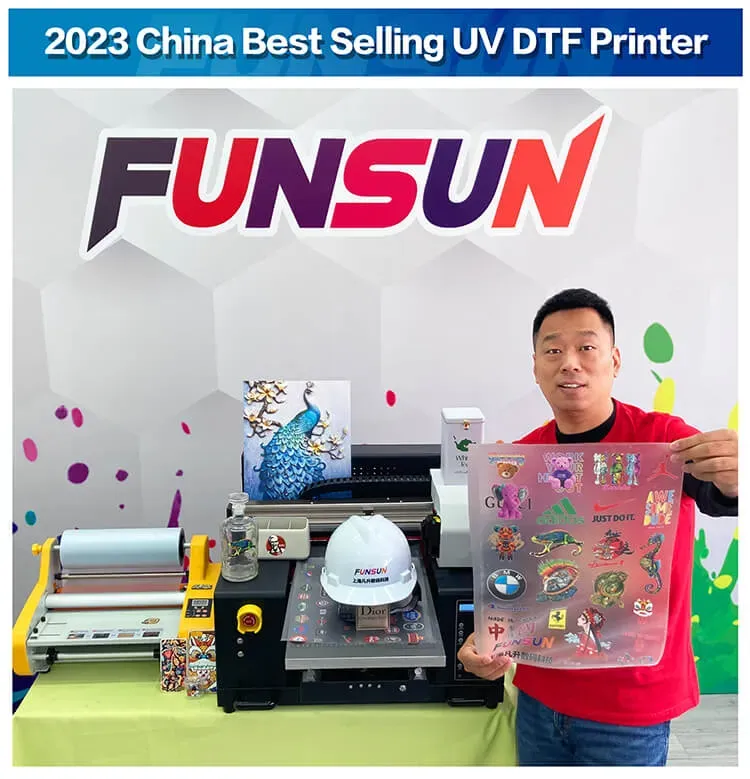
UV DTF printing, also known as UV Direct to Film printing, represents a revolutionary advancement in printing technology that has captured the attention of artists and entrepreneurs alike. This innovative process leverages UV printing technology to deliver high-resolution images on a wide range of surfaces, including textiles, wood, and glass, enabling creators to produce unique customized products with vibrant colors and intricate details. Thanks to its rapid drying capabilities, facilitated by the UV curing process, UV DTF printing minimizes smudging and enhances production efficiency—qualities that are critical for fast-paced businesses. Whether you’re in the promotional products industry or seeking to personalize gifts, this method offers endless possibilities for creativity. Join us as we delve deeper into the world of UV DTF printing and discover how it is transforming various sectors.
The world of UV Direct to Film printing, often referred to as UV DTF printing, showcases a fusion of innovation and practicality that is reshaping how businesses approach the customization of their products. This technique, closely tied to advanced UV printing technology, allows for the direct application of images onto films, which can then be transferred onto multiple media, including fabrics and metals. Often highlighted for its precise and colorful output, this method includes extraordinary features like 3D texture printing, making it a versatile choice for both artistic endeavours and commercial applications. Various manufacturers, such as those using Mimaki UV printers, are leading the charge in offering solutions that cater to personalized consumer needs and creative projects. As we explore this domain further, we’ll uncover the many applications and recent advancements that make UV DTF printing a game-changer in the industry.
Understanding UV DTF Printing Technology
UV DTF printing, or UV Direct to Film printing, is a sophisticated technique that utilizes ultraviolet light to cure or dry the ink as it is printed onto a film. This unique process essentially allows for high-resolution prints that are both durable and vibrant. The versatility of the method means it can handle various substrates, from textiles to rigid materials like wood and plastics, making it a preferred choice for developing customized products. In contrast to traditional printing methods, UV DTF printing eliminates the need for long drying times, drastically enhancing workflow efficiency.
Moreover, UV DTF printing incorporates advanced UV printing technology, which utilizes specialized inks that are capable of adhering to a wide range of surfaces. This opens the possibilities for intricate designs and personalized items, catering to both the custom apparel market and promotional materials. By using Mimaki UV printers, businesses can leverage this technology to produce eye-catching items and unique decorative pieces that enhance visual appeal and branding.
The Benefits of UV DTF Printing for Customized Products
One of the significant advantages of UV DTF printing is the ability to create highly customized products with precision and speed. This technology allows businesses to fulfill small and bespoke print runs without sacrificing quality. As customers increasingly seek personalized items, the demand for customizable apparel, promotional products like bags and mugs, and specialized industrial applications continues to rise. This opens avenues for niche markets where companies can offer tailored solutions that resonate with individual consumer preferences.
Additionally, the durability of UV DTF prints is noteworthy. Unlike conventional inks that may fade or wear with time, UV inks create a robust layer on the substrate. This feature ensures that products are not only visually appealing but also long-lasting, making them a viable choice for retailers and promotional campaigns. The ability to produce items with 3D texture printing further enhances the desirability of products, paving the way for innovative creations that stand out in a crowded marketplace.
Recent Innovations in UV DTF Printing Technology
Recent advancements in UV DTF printing have further refined the capabilities of this innovative technology. Notably, Anker’s EufyMake UV Printer E1 has introduced exciting features such as the ability to produce 3D textures, which captures the attention of both amateur and professional makers. This innovative printer is priced at an accessible point, allowing hobbyists and small businesses to explore high-quality printing without substantial investment. As more devices enter the market, the opportunities for creative projects that utilize these advantages multiply.
In addition, Mimaki has made strides in this space by enhancing its UV DTF printers, enabling the creation of stickers with a minimal setup. This tech evolution allows for greater customization options, catering to the growing demand for personalized items. With these innovations, businesses can keep pace with the creative needs of consumers, leading to a market enriched with diverse product offerings that highlight individuality and personal style.
Exploring Applications of UV DTF Printing
The applications of UV DTF printing are vast and varied, showcasing its immense versatility. In the apparel industry, designers are leveraging this technology to create unique pieces that blend art with fashion. Whether producing colorful t-shirts or distinctive hoodies, UV DTF printing allows for intricate artwork and custom branding, making it an attractive option for businesses looking to set themselves apart.
Beyond fashion, UV DTF printing extends into promotional items, transforming everyday objects into branded masterpieces. Businesses can now produce vibrant and lasting merchandise like promotional mugs or keychains that resonate with their audience. Additionally, this technology facilitates the creation of striking home decor items, effectively merging functionality with aesthetics to enhance living spaces in imaginative ways.
The Market Impact of UV DTF Printing Innovations
The introduction of cost-effective UV DTF printers, like Anker’s EufyMake, marks a significant turning point in the printing industry. With lower entry barriers, more individuals and small businesses are empowered to explore creative projects, resulting in a broader market engagement. This democratization of printing technology signifies a historical shift, moving from traditional industrial models to grassroots creativity, where anyone can create and sell unique products.
Moreover, the influx of these printers aligns with a rising consumer demand for unique, personalized products. It represents a cultural trend towards self-expression, where branded items need not follow mass-market designs. As UV DTF technology continues to evolve, we can expect an explosive increase in the diversity of available products, thus enhancing both user creativity and market competitiveness.
Future Trends in UV DTF Printing
The future of UV DTF printing is bright, with prospects of further technological enhancements on the horizon. As manufacturers continue to innovate, we can anticipate more advanced features integrated into printers, such as improved color fidelity and greater substrate compatibility. These advancements will not only broaden the potential uses for UV DTF printing but will also encourage continuous investment in R&D, pushing the boundaries of what’s possible in the printing industry.
Additionally, the integration of eco-friendly practices within UV printing technology is an emerging focus. Manufacturers are finding ways to utilize sustainable inks and materials that reduce environmental impact while maintaining the quality and vibrancy of prints. The implementation of green technologies will not only appeal to environmentally-conscious consumers but will also position brands as leaders in sustainability, aligning with broader market values surrounding responsibility and ethical production.
Frequently Asked Questions
What are the advantages of UV DTF printing compared to traditional printing methods?
UV DTF printing offers several advantages over traditional printing methods, including the ability to print on a wide variety of substrates such as fabric, wood, glass, plastic, and metal. Its UV curing process allows for quick drying, vivid colors, and sharp details, reducing the chance of color bleeding and smudging. Additionally, this technology supports 3D texture printing, enhancing the versatility and creative potential for customized products.
How does UV DTF printing work with different materials?
UV DTF printing works by using UV inks that are printed onto a special film, which is then transferred onto various materials. The UV curing process hardens the ink quickly, enabling pristine results on surfaces like t-shirts, tiles, and promotional items. This adaptability makes UV DTF printing ideal for creating customized products for both personal and business use.
What types of customized products can be created using UV DTF printing?
With UV DTF printing, you can create a wide array of customized products, including personalized apparel, promotional items such as mugs and keychains, home decor like wall art and tiles, and durable industrial labeling. The technology’s versatility allows businesses and hobbyists to explore countless creative possibilities.
What innovations have been introduced in UV DTF printing technology recently?
Recent innovations in UV DTF printing include the launch of Anker’s EufyMake UV Printer E1, which allows for 3D texture printing on various substrates. Additionally, Mimaki has introduced new advancements in their UV DTF printers that enhance customization capabilities for stickers and other applications, further expanding the potential uses of this emerging technology.
What is the significance of Mimaki’s advancements in UV DTF printing?
Mimaki’s advancements in UV DTF printing technology are significant as they streamline the production of customized products. By enabling the creation of stickers solely using ink and varnish, these innovations elevate productivity and open new avenues for creativity in printing applications, catering to evolving market demands.
Why is UV DTF printing gaining popularity among hobbyists and professionals?
UV DTF printing is gaining popularity due to its unmatched versatility, affordability, and high-quality results. The technology allows individuals and businesses to easily create customized products, from personalized gifts to industrial labels, appealing to a broad audience. As more accessible UV printers enter the market, like the Anker EufyMake UV Printer E1, it encourages creative exploration among hobbyists and small enterprises.
| Key Point | Description |
|---|---|
| What is UV DTF Printing? | UV DTF printing uses UV inks to print vibrant images on a film, which can be transferred to various materials, providing high-quality results. |
| Recent Developments | 1. Anker’s EufyMake UV Printer E1 allows 3D texture printing and caters to small businesses pricing around $1,699. 2. Mimaki introduces new capabilities to create stickers using ink and varnish, enhancing creative applications. 3. Eazydtf expands its capacity with ten new printers to meet the growing market demand for DTF printing services. |
| Applications | UV DTF printing is used for custom apparel, promotional items, home décor, and industrial labeling due to its versatility and durability. |
| Market Impact | Affordable UV printers democratize the printing technology, encouraging creativity among hobbyists and fostering small businesses by offering customized products. |
Summary
UV DTF printing is revolutionizing the way we create stunning designs on various surfaces. This innovative technology combines vivid colors and sharp details to produce high-quality prints on materials such as fabric, wood, and metal. With recent advancements from key players in the industry, UV DTF printing has become more accessible, sparking a surge in creativity for both professionals and enthusiasts alike. As this printing method continues to evolve, it opens up exciting possibilities for the future of customized products and personalized designs, meeting the growing consumer demand for unique offerings.