
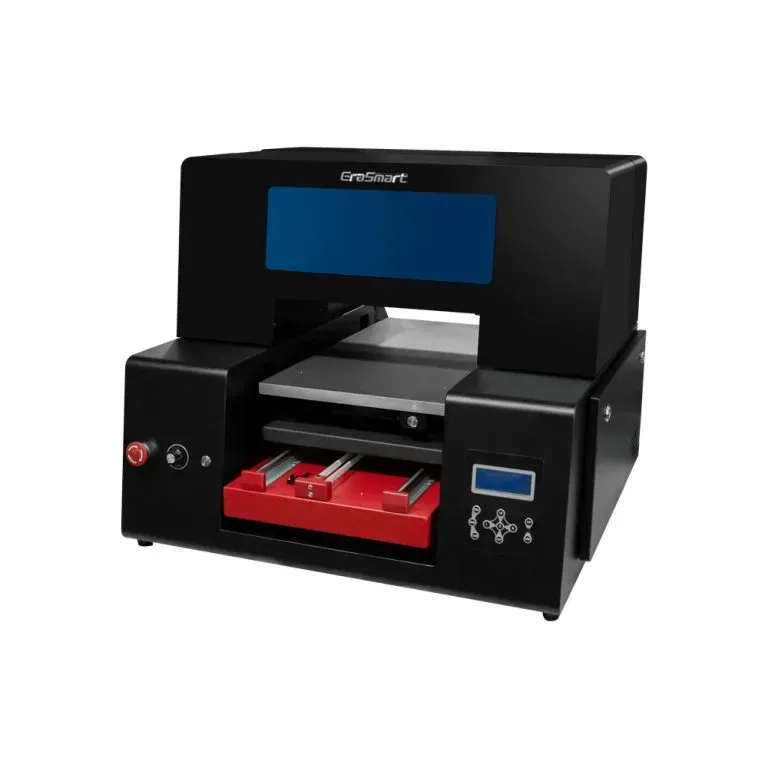
In the fast-evolving world of printing technology, **UV DTF (Direct to Film) technology** stands out as a remarkable innovation that combines the precision of digital printing with the versatility of traditional methods. By utilizing advanced UV printing techniques to cure inks instantaneously, this technology offers unparalleled color vibrancy and durability that is becoming increasingly sought after in various industries. Whether for custom apparel, promotional items, or intricate decor, UV DTF technology is setting new standards in quality and efficiency. Moreover, as sustainability becomes a priority for businesses, this method aligns well with eco-friendly practices, positioning it as a leader among digital printing trends. Join us in exploring the numerous benefits and trends associated with UV DTF technology, and discover how it can elevate your printing game to new heights.
Known in the printing community for its versatility and rapid output, UV Direct to Film technology merges the innovations of modern UV printing with the classical techniques of film transfer printing. This method not only facilitates the application of designs directly onto a wide variety of substrates—such as textiles, plastics, and metals—but also ensures quick curing through UV light exposure, significantly improving production turnaround. With custom printing capabilities, businesses can now provide high-quality products that cater to unique consumer demands while embracing digital printing trends that prioritize efficiency and sustainability. As market competition intensifies, adopting such advanced printing processes becomes crucial for standing out. Thus, UV DTF technology represents a pivotal shift in how businesses approach customizations and environmental responsibility in their printing operations.
Understanding UV DTF Technology: How It Works
UV DTF technology represents a groundbreaking approach in the world of printing, merging the precision of UV printing with the efficiency of direct-to-film processes. It operates by using ultraviolet light to cure inks on a special film, allowing for the prints to be transferred seamlessly onto nearly any substrate, including textiles, metals, and plastics. This method contrasts sharply with traditional printing techniques that rely on ink absorption, resulting in a process that takes less time and is capable of producing higher-resolution images.
The versatility of UV DTF technology makes it a game-changer for industries aiming to offer diverse products. As businesses strive for innovation in custom printing solutions, the ability to apply vibrant colors and detailed designs on various materials becomes increasingly essential. This method empowers creators and designers to think outside the box, enabling the production of everything from custom apparel to detailed promotional merchandise, all with the assurance of quick drying times and durability.
The Key Benefits of UV DTF Technology for Businesses
One of the most pronounced advantages of UV DTF technology is its adaptability across a wide range of materials. Unlike traditional methods susceptible to limitations based on substrate compatibility, UV DTF stretches the boundaries, allowing businesses to cater to an expansive market. For companies keen on innovation, this opens up new avenues for creating unique and customized products that satisfy individual customer preferences, thereby enhancing market appeal and driving sales.
Alongside versatility, durability is another notable benefit. UV-cured inks lead to products resistant to scratching and fading, ensuring that prints maintain their integrity over time. This feature is particularly crucial for businesses targeting sectors like fashion or promotional products, where quality and longevity are prioritized. By adopting UV DTF technology, companies can enhance client satisfaction through superior product offerings that last.
Emerging Market Trends in UV DTF Technology
The digital printing landscape is witnessing a significant shift as UV DTF technology gains traction across various sectors. As reported by industry analysts, the demand for personalized and unique printing solutions is driving growth in digital printing worldwide. This trend showcases businesses’ increasing recognition of customer-centric approaches, thus elevating demand for technologies like UV DTF that facilitate high-resolution, customized output.
With customization becoming the new standard in product offerings, UV DTF technology stands out for its ability to cater to this need. Its integration in domains such as fashion, home decor, and corporate branding illustrates how essential this advanced technology has become. Companies leverage these advancements not only to meet current market demands but also to differentiate themselves from competitors, ensuring sustainable growth.
Innovations Shaping UV DTF Technology
Continuous advancements in UV DTF technology are pivotal in enhancing printing efficiency and reducing environmental impact. Innovations such as improved UV LED curing systems allow for quicker curing times and less energy consumption, aligning with the industry’s shift toward sustainable printing solutions. Furthermore, by moving towards eco-friendly inks and processes, businesses can better meet consumer expectations while maintaining compliance with evolving environmental standards.
These innovations also address critical aspects of digital printing trends, where efficiency and sustainability are increasingly intertwined. By embracing these technological improvements, businesses not only streamline their production processes but also bolster their brand image by aligning with eco-conscious values. This trend is reshaping how companies approach their manufacturing practices, making sustainability a competitive differentiator.
Challenges of Integrating UV DTF Technology
Despite its many advantages, adopting UV DTF technology is not without challenges. The initial investment in high-quality equipment can be daunting for small to mid-sized businesses. This upfront cost, paired with the requirement for staff training and process mastering, can potentially discourage some owners from making the leap into this advanced technology.
Moreover, the learning curve associated with UV DTF processes can be steep, necessitating time and resources for teams to become proficient. While the benefits are evident, businesses must weigh these challenges carefully, considering their capacity for investment and the potential return in terms of increased efficiency, product quality, and customer satisfaction.
Market Insights and Future Outlook for UV DTF Technology
Insights from industry experts suggest that the future for UV DTF technology is bright, especially for businesses that capitalize on its unique value proposition. As trends continue to lean towards personalized and eco-friendly printing solutions, companies that adopt UV DTF stand to gain a competitive edge. The technology’s ability to produce high-quality, vibrant prints on various substrates makes it particularly appealing for niche markets.
Looking ahead, we can anticipate that UV DTF technology will continue to evolve with advancements in ink formulations and curing technologies. This ongoing development will not only enhance printing capabilities but will also contribute to sustainable printing practices, aligning with increasing consumer demand for environmentally responsible products. As more businesses embrace this technology, we can expect to see a lasting impact on the landscape of digital printing.
Frequently Asked Questions
What is UV DTF technology and how does it improve digital printing?
UV DTF technology, or Direct to Film printing, integrates traditional DTF processes with advanced UV printing techniques. This method uses UV light to cure ink on a film, enabling printing on various substrates like fabrics, plastics, and metals, while ensuring instant ink drying. This innovation enhances efficiency, product quality, and versatility in digital printing, catering to diverse printing needs.
What are the key advantages of using UV DTF technology in custom printing?
The main advantages of UV DTF technology for custom printing include its versatility, durability, and vibrant color reproduction. This technology allows for printing on an array of materials, produces long-lasting prints resistant to fading and scratching, and delivers high-resolution images that meet the demands of modern consumers looking for unique and bold designs.
How does UV printing compare to traditional DTF printing technology?
Unlike traditional DTF printing, which relies on ink absorption, UV printing cures the ink instantly using UV light. This results in quicker drying times and increased productivity, making UV DTF technology superior for high-volume printing. Additionally, UV-cured inks offer better durability and vibrancy in colors compared to traditional inks.
What sustainability benefits are associated with UV DTF technology?
UV DTF technology promotes sustainable printing practices through the use of eco-friendly inks and energy-efficient UV LED curing systems. These advancements reduce the environmental impact of the printing process and align with the growing demand for sustainable printing solutions in various industries.
What current trends are shaping the future of UV DTF technology in the digital printing market?
Recent trends in UV DTF technology include the increasing demand for customization, innovation in ink formulations, and advancements in curing systems. As businesses look to differentiate themselves, the adoption of UV DTF printing is expected to grow, driven by the need for unique, high-quality products across fashion, home décor, and promotional merchandise sectors.
What challenges should businesses consider before adopting UV DTF technology?
Before transitioning to UV DTF technology, businesses should be aware of the initial investment in high-quality equipment and potential training costs for staff. Additionally, mastering the technology’s intricate printing and curing processes may pose a learning curve, which could impact the speed with which they realize the benefits of this advanced printing method.
| Key Point | Description |
|---|---|
| What is UV DTF Technology? | A method that merges Direct to Film and UV printing techniques, curing ink instantly on various substrates. |
| Advantages | 1. Versatile material usage 2. High durability 3. High detail and vibrant colors |
| Market Trends | Rapid adoption across industries with significant growth expected due to customization trends. |
| Recent Developments | Innovations in hardware and inks improving efficiency and sustainability, such as eco-friendly inks. |
| Challenges | Initial investment in equipment and staff training; a learning curve in mastering the technology. |
| Expert Opinions | Seen as beneficial for small to mid-sized businesses, helping them differentiate in competitive markets. |
Summary
UV DTF technology is transforming the printing industry by providing an innovative solution that combines the flexibility of Direct to Film printing with the superior durability and vibrancy of UV inks. This remarkable technology enables businesses to print on a variety of surfaces with stunning detail and colors, addressing the growing demand for customization in products. As more industries integrate UV DTF into their operations, they are not only enhancing their offerings but also positioning themselves as leaders in a highly competitive marketplace. The advances in efficiency and sustainability associated with UV DTF technology make it a key player for businesses aiming to optimize their printing capabilities while meeting modern consumer demands.