
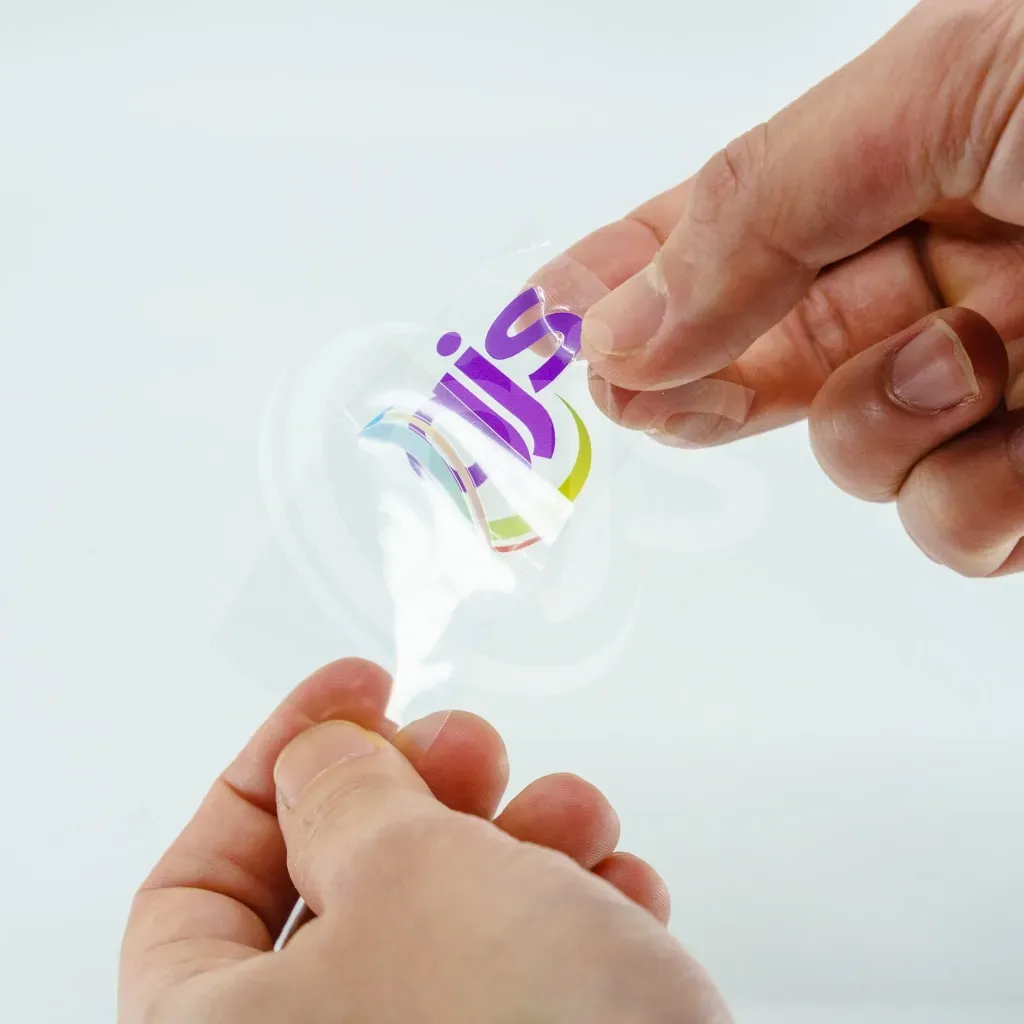
In the rapidly evolving world of digital printing, UV DTF (Direct to Film) technology stands out as a transformative advancement that blends speed, versatility, and sustainability. As companies increasingly demand high-quality, customized products, gaining insight into UV DTF printing has become crucial for industry professionals. This innovative technique is reshaping the landscape of custom printing solutions, ensuring that businesses can meet consumer expectations with efficiency and precision. From enhancing color vibrancy to offering improved durability, UV DTF technology exemplifies advancements in sustainable printing technology. This article explores the intricate workings of UV DTF printing and its significant impact on the digital printing evolution, highlighting its diverse applications and benefits for modern enterprises.
Also known as Direct to Film printing, UV DTF technology represents a modern approach to digital printing that harnesses the power of ultraviolet light for curing inks. This next-generation printing method allows businesses to create a wide array of customized products on various materials, showcasing its versatility as one of today’s leading printing techniques. As more companies venture into this realm, they discover enhanced durability, faster production times, and the eco-friendly nature of UV DTF printing. By adopting such innovative solutions, organizations can significantly reduce their environmental footprint while simultaneously catering to the growing demand for personalized products. In this article, we’ll delve deeper into the nuances and advantages of this groundbreaking printing technology.
The Mechanics of UV DTF Printing
UV DTF printing technology operates on the principle of utilizing ultraviolet light to cure inks that are applied to diverse substrates. This direct-to-film approach allows printers to create vivid, high-quality images on materials including textiles, plastics, metals, and even glass. The process begins with a digital design that is printed onto a special film. Once printed, the UV light rapidly cures the ink, ensuring that the design is not only striking but also durable. This innovative printing method is a stark contrast to traditional printing processes that rely on heat, which can limit versatility and affect the quality of the final product.
One of the compelling aspects of UV DTF technology is its ability to deliver consistent results across various materials. This versatility makes it an appealing choice for businesses looking to diversify their product range. Moreover, the immediate curing of inks minimizes production times, allowing companies to fulfill orders quicker than ever before. As a result, UV DTF printing positions itself as a formidable contender in the realm of digital printing evolution, merging speed with superior quality.
Advantages of UV DTF Printing Technology
UV DTF printing brings several notable advantages that make it an attractive option for various businesses. First and foremost, its enhanced durability is a significant selling point. The UV-cured inks are less prone to fading, scratching, and mechanical wear, which is crucial for products intended for long-term use. This characteristic makes UV DTF an exceptional choice for outdoor applications, such as signage or promotional materials, where longevity is key.
Another advantage is the technology’s capacity for faster production times. As the printing process eliminates the requirement for lengthy drying periods typically associated with solvent-based inks, companies can meet customer demands more efficiently. This capability not only streamlines workflow but also allows businesses to capitalize on last-minute orders and special requests, thereby enhancing overall customer satisfaction and loyalty.
Exploring the Versatility of UV DTF
One of the hallmark features of UV DTF printing is its remarkable versatility. This technology can print on a wide array of substrates, which includes not only traditional fabrics but also unconventional materials like ceramics, metals, and plastic. This adaptability opens up endless possibilities for businesses to create custom printing solutions tailored to specific clientele or specialized markets. Whether a small business seeks to create promotional giveaways or a fashion label wants unique apparel, UV DTF technology can meet those demands seamlessly.
Moreover, the ability to print in vibrant colors with intricate details on different materials without compromising quality is a game-changer. As businesses look to differentiate themselves in a crowded marketplace, offering unique and customized products becomes essential. UV DTF printing facilitates this process, allowing for the realization of complex designs that resonate with consumers, thus driving brand loyalty and encouraging repeat business.
Sustainability in UV DTF Printing
In the contemporary world, sustainability is more than just a trend; it’s an essential practice especially in the printing industry. UV DTF printing technology supports eco-friendly initiatives by utilizing inks that are less harmful to the environment compared to traditional solvent-based inks. The formulation of UV inks often leads to reduced volatile organic compound (VOC) emissions, contributing to a cleaner production process and aligning with the growing consumer demand for green products.
The shift toward sustainable printing technology not only benefits the environment but also enhances a company’s reputation. Many businesses are eager to promote their eco-conscious efforts to attract like-minded customers. By adopting UV DTF printing methods, companies can effectively market their commitment to sustainability, positioning themselves favorably in a competitive landscape that increasingly values environmental responsibility.
Recent Innovations in UV DTF Technology
The UV DTF market is undergoing rapid transformation, driven by technological innovations that enhance both efficiency and output quality. Leading manufacturers like Mimaki and Roland DG have recently introduced advanced UV DTF printers that offer superior print speeds and resolutions. These innovations not only optimize production capabilities but also ensure that end products maintain the highest standards of quality which customers now expect.
Additionally, as competition escalates within the digital printing sector, these advancements in technology are crucial for businesses looking to stay ahead. With a projected market growth rate of around 12% by 2030, investing in cutting-edge UV DTF technology provides companies with the tools they need to thrive in an evolving landscape. The emphasis on quality, speed, and versatility will continue to shape the future of printing, making it essential for industry players to adapt and innovate.
The Future of Custom Printing with UV DTF
As businesses continue to explore custom printing solutions, UV DTF technology is undeniably influencing the future of the industry. With its ability to produce unique, high-quality prints quickly and efficiently, it positions itself as a go-to choice for companies aiming to meet the diverse needs of their customers. The demand for personalization in products has increased dramatically, and UV DTF printing caters to this trend by allowing intricate designs and custom colors that resonate with individuals.
Looking forward, companies that embrace UV DTF technology not only stand to benefit from efficiency improvements but also from staying relevant in a market that prioritizes customization and sustainability. Investing in this printing technology today means preparing for tomorrow’s marketplace, ensuring that businesses remain adaptable and capable of responding to ever-evolving consumer preferences and environmental expectations.
Frequently Asked Questions
What is UV DTF printing and how does it differ from traditional methods?
UV DTF printing, or Direct to Film printing, uses ultraviolet light to cure inks instantly as they are applied to various substrates. Unlike traditional methods that may require heat, UV DTF allows printing on a broader range of materials—including textiles, metals, and plastic—with enhanced durability and vibrant colors.
What are the main advantages of using UV DTF printing in my business?
The main advantages of UV DTF printing include enhanced durability of prints, faster production times due to immediate ink curing, versatility across multiple substrates without needing several machines, eco-friendly inks that are less toxic, and high customizability of designs, making it ideal for unique and personalized products.
How is sustainability incorporated into UV DTF printing technology?
Sustainability in UV DTF printing is achieved through the use of modern UV inks that are less toxic than traditional solvent-based options, reducing environmental impact. This aligns with the increasing demand for sustainable printing technologies among businesses and consumers looking for eco-friendly solutions.
What industries can benefit from UV DTF printing?
UV DTF printing is versatile and can benefit various industries, including fashion for custom apparel, promotional products for branding, and decorative applications for personalized gifts. Its ability to print on multiple substrates makes it suitable for a wide range of business needs.
What recent developments have been made in UV DTF technology?
Recent developments in UV DTF technology include new printers from manufacturers like Mimaki and Roland DG that offer increased print speeds and resolutions, as well as comprehensive training resources for businesses. The market for UV DTF is projected to grow significantly, reflecting rising demand for custom printing solutions.
How can I optimize my workflow with UV DTF printing solutions?
To optimize your workflow with UV DTF printing, consider investing in advanced printers that integrate seamlessly into your existing processes, utilizing training and online resources to familiarize your staff with technology. This approach will enhance efficiency, allowing you to meet customer demands quickly while maintaining high-quality output.
| Key Points | Details |
|---|---|
| What is UV DTF Printing? | A technology that uses UV light to cure inks, enabling printing on various substrates like textiles, metals, plastics, and glass. |
| Enhanced Durability | UV DTF inks provide resistance to fading, scratching, and wear, ideal for outdoor products. |
| Faster Production Times | Immediate curing of inks leads to reduced production times and faster project turnaround. |
| Broader Range of Substrates | Allows printing on diverse materials without needing multiple devices, saving time and costs. |
| Eco-Friendly | UV DTF inks are less toxic, appealing to businesses focusing on sustainability. |
| Customizability | Enables detailed designs and vibrant colors, ideal for personalized products. |
| Technological Innovations | New printers with enhanced speed and quality from manufacturers like Mimaki and Roland DG. |
| Rising Market Demand | Projected growth of the UV DTF market at 12% CAGR from 2024 to 2030. |
| Versatile Applications | Can be used in various industries for custom products, reducing investment risks. |
| Training and Resources | Comprehensive training resources are being developed for better technology adoption. |
Summary
UV DTF technology is revolutionizing the landscape of digital printing by providing advanced solutions that prioritize quality, speed, and sustainability. This innovative printing method stands out for its ability to produce durable and vibrant prints on a multitude of surfaces, from textiles to glass. The growth in market demand and recent technological advancements are paving the way for businesses to capitalize on customization trends while meeting eco-friendly practices. As the industry continues to embrace UV DTF, it represents a significant opportunity for print shops to gain competitive advantages in a fast-evolving market.