
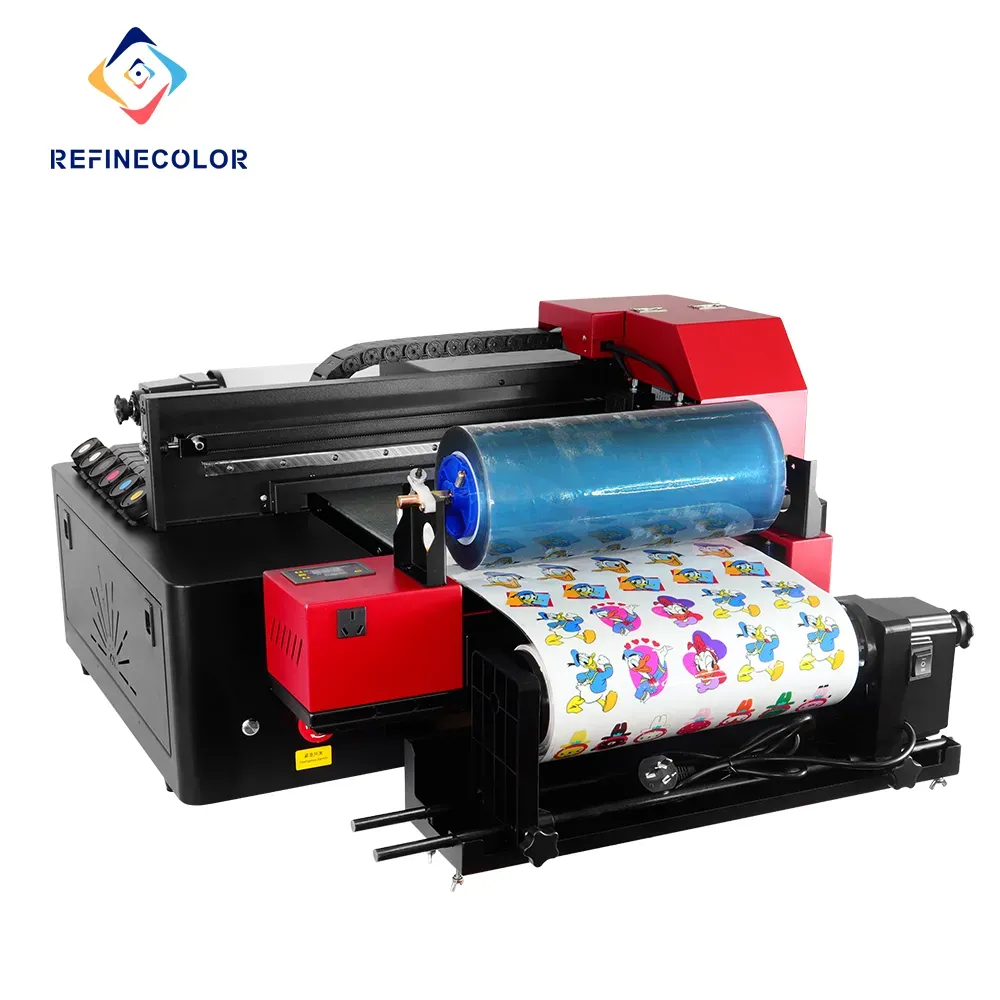
In the fast-evolving realm of printing technology, UV DTF (Ultraviolet Direct to Film) is becoming a transformative force for designers and printing professionals alike. This revolutionary technique unites the durability of UV printing with the adaptability of film transfer, unlocking new avenues for creativity across a variety of substrates. From textiles to promotional items, UV DTF allows artists to realize their designs with stunning clarity and vibrant colors. Key to mastering this innovative method is understanding the intricacies of UV DTF printing, which can greatly elevate one’s craft and ensure client satisfaction. In this article, we will delve into effective tips and insights tailored for designers looking to harness the full potential of UV DTF technology.
Also known as Ultraviolet Direct to Film, the UV DTF printing process is on the cutting edge of modern graphics technology. This advanced printing method applies UV inks onto a specialized film that can be transferred effortlessly to multiple surfaces, ensuring that designs maintain their brilliance and integrity. By utilizing Direct to Film printing techniques, designers can create visually striking imagery that stands out in today’s competitive market. Emphasizing eco-friendly printing practices, UV DTF promotes sustainability by allowing the use of low-VOC inks and biodegradable materials. For designers eager to expand their skillset, this remarkable technology offers a wealth of opportunities to innovate and inspire.
Understanding UV DTF Printing Technology
UV DTF printing, or Ultraviolet Direct to Film printing, is a revolutionary technique combining UV-curable inks and film transfer methods to create stunning designs across various substrates. This process allows designers to push creative boundaries by producing sharp, high-resolution images that maintain their vibrancy on transfer. By utilizing specialized films, UV DTF ensures that designs adhere securely to an array of surfaces—from textiles to plastics and even metals. Understanding this printing technology is crucial for designers aiming to achieve remarkable results that stand out in a crowded market.
In the UV DTF process, the application of UV inks onto the film is followed by an adhesive layer, facilitating efficient transfer onto the target substrates. The versatility of this method means that whether you are working on promotional items, signage, or custom apparel, UV DTF technology can cater to a wide range of creative projects. The ability to print intricate designs with superior color management elevates the quality of prints, making it an essential tool in modern design practices.
Workflow Mastery in UV DTF Printing
Mastering the UV DTF printing workflow is essential for achieving high-quality outputs. The workflow begins with printing your chosen design directly onto a specialized film using a UV printer. This stage is critical as it ensures that the imagery is clear and vibrant. After the design is printed, an adhesive is applied to assist in an easy transfer process, allowing for better adhesion to the final substrate. Ensuring each step is executed meticulously will not only enhance print quality but also increase the durability of the transfers.
The effective transfer process is the final touch that can make or break a UV DTF project. Proper alignment of the film on the substrate is crucial to avoid misprints and ensure that the design looks as intended. Pressure and heat settings during this stage also play a pivotal role in ensuring strong adhesion. As such, understanding and refining each element of the UV DTF workflow can help designers deliver consistent results that reflect professionalism and attention to detail.
Selecting Optimal Materials for UV DTF
The choice of materials in UV DTF printing greatly influences the final product’s quality and appearance. Compatibility between the film and substrate is paramount; not all films are suitable for UV curing without compromising their integrity. Selecting high-quality, specialized films helps to ensure that your designs remain vibrant and intact through the curing process. Common substrates such as cotton, polyester, and certain plastics can yield excellent results, but thorough testing should be done to verify compatibility before commencing large-scale production.
In addition to films, the compatibility of adhesives plays a crucial role in achieving successful transfers. Using products specifically formulated for UV DTF applications guarantees that the designs will withstand wear and tear without peeling or fading over time. By prioritizing material selection, designers can maximize the potential of UV DTF technology, leading to exceptional results that meet client expectations for durability and detail.
Effective Color Management Techniques
Color management is an integral component of successful UV DTF printing, ensuring you achieve consistent hues across different designs. As each printer may behave differently with various inks, performing regular calibrations is crucial to maintain color accuracy. This process involves adjusting your printer’s settings to align with the color profiles of the materials being printed on. Utilizing advanced color management software can significantly enhance your ability to match colors precisely, allowing designers to produce lush, eye-catching results.
Another aspect of effective color management involves testing swatches prior to full-scale printing. This practice enables designers to make any necessary adjustments in color density or saturation, ensuring that the final output closely resembles the client’s vision. By embracing detailed color management protocols, printing professionals can reduce waste, save time, and deliver stunning designs that maintain the intended vibrancy and clarity across each print.
Surface Preparation for Successful Transfers
Preparing the target substrate is a critical step in the UV DTF process that significantly influences the adhesion quality of the print. Surfaces must be cleaned to remove dust, oils, and contaminants that could inhibit ink bonding. For materials like plastics, implementing pre-treatment methods—such as using surface activators or cleaners—can enhance the performance of the inks and adhesives. This preparation effort plays a vital role in ensuring the longevity and durability of the design once transferred.
Ignoring surface preparation can lead to subpar adhesion, resulting in prints that peel or fade prematurely. Designers must take the time to follow proper preparation protocols to guarantee that every UV DTF transfer is not only visually appealing but also resilient against daily wear. Ensuring a clean and treated substrate lays the foundation for achieving professional-grade results that uphold the integrity of the design.
Exploring Creative Techniques in UV DTF Printing
The flexibility of UV DTF printing means that designers can experiment with various techniques to distinguish their work. Techniques such as layering inks, utilizing unique finishes, and implementing specialty inks—like metallic or fluorescent—can provide added dimension and variety to your projects. Embracing such creative approaches not only enhances the aesthetic appeal but also boosts marketability, giving your designs an edge over competitors.
Moreover, experimenting with textures and finishes can lead to innovative outcomes that capture customer interest. Designers should feel encouraged to push their creative boundaries in UV DTF projects, as discovering new methods can lead to signature styles that eventually define their brand. By welcoming experimentation, designers unlock endless possibilities within UV DTF technology, resulting in unique prints that resonate with clients and consumers alike.
Frequently Asked Questions
What is UV DTF printing and how does it work?
UV DTF (Ultraviolet Direct to Film) printing is a cutting-edge technique that applies UV-curable inks directly onto a special film. The printed film then undergoes a heat process where an adhesive is applied, allowing for easy transfer of vibrant designs onto various substrates such as textiles, plastics, and metals. This method combines durability with high-quality visuals, making it an excellent choice for designers.
How does color management impact UV DTF printing?
Effective color management is crucial in UV DTF printing as it ensures color accuracy and consistency throughout the printing process. By calibrating your printer to the optimal color profile and utilizing specialized color management software, designers can achieve their desired hues, from bright colors to subtle tones, enhancing overall print quality and visual appeal.
What materials can be used with UV DTF printing?
In UV DTF printing, the choice of materials is essential for successful outcomes. Films designed to withstand UV curing without warping or discoloration are recommended. Substrates like cotton, polyester, and various hard surfaces can yield different results, so it’s important to ensure material compatibility to achieve the best adhesion and print quality.
What are some design tips for using UV DTF effectively?
Designers looking to maximize UV DTF printing should focus on surface preparation, material selection, and creative experimentation. Ensure surfaces are clean and pre-treated when necessary, choose compatible films, and explore different printing techniques like layering inks and varying finishes. These practices will improve print durability and visual impact.
How does sustainability factor into UV DTF printing?
Sustainability is increasingly important in printing, and UV DTF technology offers eco-friendly options. By using low VOC inks and biodegradable films, designers can meet consumer demand for sustainable products. Implementing eco-friendly practices not only enhances brand image but also contributes positively to environmental responsibility.
What are the benefits of using UV DTF over traditional printing methods?
UV DTF printing offers several advantages over traditional printing methods, including greater flexibility in design applications, vibrant color reproduction, and strong adhesion to a variety of surfaces. Additionally, the UV curing process allows for faster production times and less environmental impact, making it a preferred choice for modern designers looking to innovate.
| Key Point | Details |
|---|---|
| Introduction | UV DTF is an innovative printing method offering durability and versatility. |
| What is UV DTF? | A technique applying UV inks to film for transfer onto various surfaces. |
| Understanding UV DTF Workflow | Includes printing on film, applying adhesive, and transferring to substrate. |
| Material Selection | Choosing the right films and substrates affects print quality. |
| Color Management | Calibrating printers for optimal color profiles ensures accuracy. |
| Surface Preparation | Pre-treat surfaces to enhance ink adhesion and durability. |
| Experiment with Techniques | Try different inks and finishes to enhance visual appeal. |
| Sustainability Considerations | Use eco-friendly inks and films to improve brand image. |
Summary
UV DTF technology revolutionizes the printing industry by offering high-quality prints on diverse materials, making it an essential tool for designers. With the right techniques and materials, designers can harness the full potential of UV DTF, delivering exceptional results that meet client needs. By focusing on the workflow, material compatibility, and sustainable practices, designers can stand out in a competitive marketplace.