
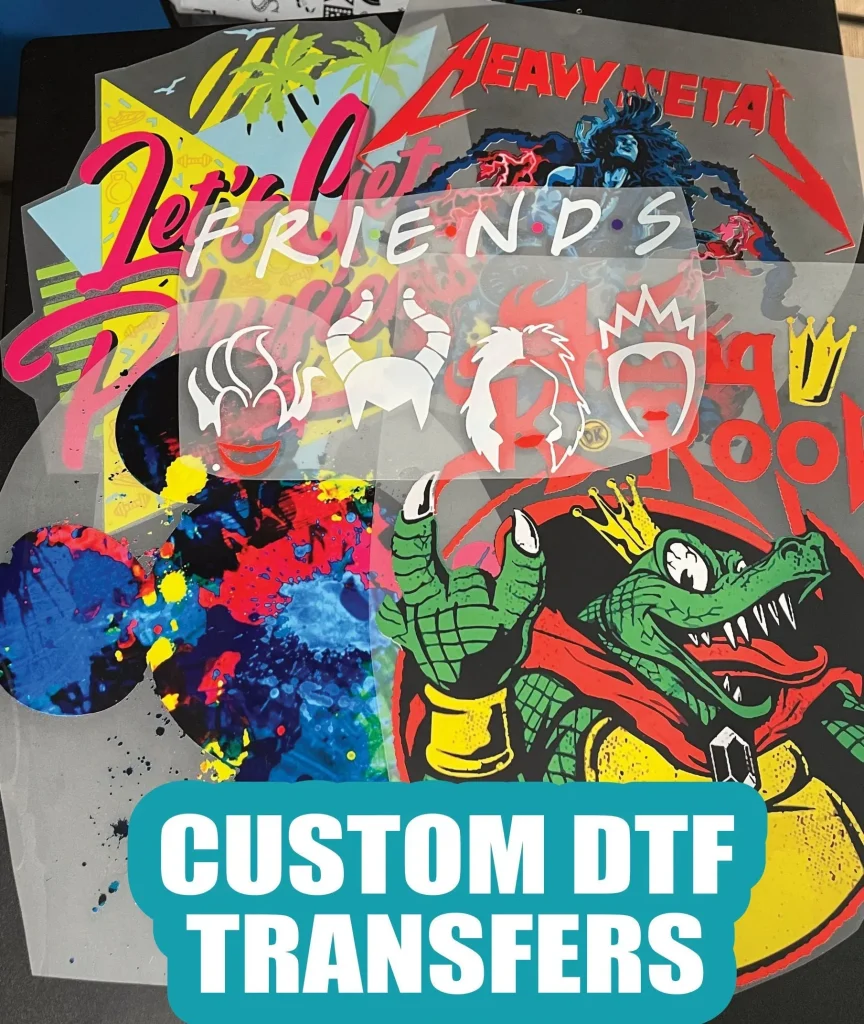
DTF transfers, or Direct to Film transfers, have transformed the textile printing landscape with their ability to deliver stunning, high-quality prints. This innovative method allows for crisp, vibrant colors and intricate designs that stand out on a variety of fabrics, making it a favorite among print professionals and hobbyists alike. With DTF printing, you can take your creativity to the next level, but success hinges on understanding the nuances of the process. Essential DTF tips and tricks will guide you in selecting the right equipment and optimizing your setup for maximum print quality. In this article, we will dive deep into the world of DTF printing techniques to help you achieve flawless results and elevate your printing projects.
When discussing Direct-to-Film printing, it is important to recognize its significance in today’s fabric printing milieu. Often referred to as DTF printing or film transfers, this method involves applying ink onto a specialized film, which is then heat-pressed onto textiles. This versatile printing solution yields brilliant color accuracy and design precision, making it ideal for various applications. Learning the best practices and specialized strategies for managing DTF projects is essential for anyone looking to excel in fabric design using these innovative techniques. Throughout this guide, we will unravel key insights on leveraging this dynamic printing approach to achieve outstanding results, regardless of your experience level.
The Advantages of DTF Printing Techniques
DTF printing techniques provide users with a unique blend of quality, versatility, and ease of use, making it a top choice for textile printing. The standout feature of DTF transfers is their ability to render vibrant colors, allowing print creators to achieve stunning visual impacts that are often difficult to replicate with other methods. The ability to print on a vast range of fabric types, including cotton, polyester, and blends, stands out as a significant advantage, giving users the freedom to choose fabrics that best suit their project needs.
Additionally, the durability of DTF prints is a key factor in their rising popularity. DTF transfers are known for their resistance to washing and wear, often holding up better than traditional screen printing. This durability means that creative professionals can assure their clients of high-quality, long-lasting prints. With the right equipment and adherence to proper techniques, DTF printing can consistently deliver impressive results.
Choosing the Right DTF Transfers Equipment
Selecting the appropriate equipment is crucial to maximizing the benefits of DTF transfers. A dedicated DTF printer is essential for capturing fine details and ensuring vibrant color output. Look for printers specifically designed for DTF inks to achieve optimal results. In addition, using high-quality DTF inks plays a pivotal role in the final product; these inks must be compatible with your specific printer to maintain print vibrancy and durability.
The choice of DTF transfer film also cannot be overlooked. Different types of film are available, each suited for various fabrics and printing requirements. Selecting the right film type is critical for achieving the best transfer results, as it directly impacts the adhesion of the ink to the fabric. High-quality adhesive powders are equally essential for ensuring that prints adhere correctly during the transfer process, preventing peeling or flaking in the future.
DTF Tips and Tricks for Quality Results
To ensure successful DTF printing outcomes, implementing a series of tips and tricks can significantly enhance your results. One primary focus should be on the design quality of your prints. Aim for designs with a resolution of at least 300 DPI and consider utilizing vector graphics, which maintain clarity regardless of scaling. Tools such as Adobe Illustrator or CorelDRAW can help in creating timely and visually appealing designs.
Moreover, understanding the appropriate temperature and pressure settings for your heat press is critical. The optimal temperature range generally falls between 320°F to 365°F (160°C to 185°C), and adhering to your machine’s specifications is essential. Proper temperature and pressure ensure that the transfer adheres thoroughly, maintaining print integrity in the long run.
Conducting Pre-Production Tests with DTF Printing
Before starting full-scale production with DTF transfers, conducting thorough tests is invaluable. Testing helps assess color accuracy, adhesion quality, and overall print effectiveness on the chosen fabric. Sample prints allow you to make adjustments without incurring significant material costs or wasting time, confirming that your settings and materials are correct before moving forward.
This preliminary testing phase is an opportunity to experiment with different fabrics and fine-tune your approach based on the outcomes. You may find that certain fabrics yield better results with specific inks or transfer films, enabling you to optimize your printing process.
Maintaining Your DTF Printing Equipment
Regular maintenance of your DTF printing equipment plays a critical role in ensuring consistent print quality. Clogged nozzles can lead to frustrating print outcomes and material waste. To prevent this, follow the manufacturer’s recommended cleaning schedules and techniques to keep your printer functioning optimally.
Moreover, ensuring your workspace is conducive to maintaining equipment integrity is also important. This includes controlling the environmental factors that could affect ink and equipment performance, such as humidity and temperature, as these can lead to printing inconsistencies.
Understanding the Do’s and Don’ts of DTF Transfers
Comprehending the essential do’s and don’ts of DTF printing is fundamental for any practitioner. Among the key practices is to use high-quality inks and materials specifically designed for DTF processes—low-quality materials can lead to subpar results and wasted time. Pre-pressing fabrics can also enhance the end result by removing moisture or wrinkles, leading to improved adhesion during the transfer stage.
Conversely, avoiding certain common pitfalls can drastically improve your printing experience. Ignoring the fabric composition can lead to unsatisfactory results; always ensure the fabric is suitable for DTF transfers. Additionally, it’s important to refrain from hurrying through the curing process, as taking the time to follow proper curing techniques ensures lasting adhesion and vibrant results.
Frequently Asked Questions
What are DTF transfers and how do they work in textile printing?
DTF transfers, or Direct to Film transfers, involve printing designs onto a special film that is then heat transferred onto fabric. This method allows for vibrant colors and fine details while being highly versatile across various materials, such as cotton and polyester.
What equipment is essential for successful DTF printing?
To ensure successful DTF printing, you need a high-quality DTF printer, compatible DTF inks, suitable transfer film, and high-grade adhesive powder. Each component plays a critical role in achieving the best results for your DTF transfers.
What are some key DTF tips and tricks for beginners?
For beginners in DTF printing, some essential tips include maintaining high design resolution (at least 300 DPI), ensuring the correct temperature and pressure during transfers, testing prints on sample fabrics, and keeping your equipment clean for optimal performance.
How can I maximize print quality when using DTF printing techniques?
Maximizing print quality with DTF printing techniques involves using high-quality inks, selecting the appropriate transfer film, maintaining correct curing methods, and regularly cleaning your printer. Proper fabric preparation and design attention also enhance final results.
What differences should I consider between DTF printing and other methods like DTG?
DTF printing differs from Direct-to-Garment (DTG) printing primarily in the transfer process; DTF uses a film that allows for versatile fabric application, while DTG directly applies ink to the garment. DTF also typically offers greater durability and vibrant color output on various materials than DTG.
Are there any special maintenance tips for DTF printers?
Yes, regular maintenance is crucial for DTF printers. Clean the print heads frequently to prevent ink build-up, perform routine nozzle checks to ensure consistent printing quality, and replace any worn-out parts promptly to maintain optimal performance.
| Key Aspect | Details |
|---|---|
| Introduction | DTF transfers revolutionize textile printing, offering vibrant prints and the need for understanding the process. |
| Understanding DTF Printing | This process involves printing ink onto film which is then transferred onto fabric, known for vibrancy, versatility, and durability. |
| Choosing Equipment and Materials | Invest in a quality DTF printer, high-quality inks, and appropriate transfer films and adhesive powders. |
| Essential Tips | Prioritize design quality, maintain proper temperature and pressure, test prints, and clean equipment regularly. |
| Do’s and Don’ts | Do use high-quality materials and prep fabrics, don’t ignore fabric composition or rush curing. |
Summary
DTF transfers have emerged as a game-changer in the textile printing industry, offering unmatched vibrancy and durability. To harness the full potential of DTF transfers, one must understand the nuances of the printing process and carefully choose the right materials and techniques. Through attentive preparation and the adherence to best practices outlined in this guide, users can achieve stunning prints that stand the test of time. By investing time in quality designs, proper temperature settings, and equipment maintenance, print enthusiasts can ensure that their projects yield professional results every time. Ultimately, successful DTF printing lies in the details, and with a commitment to excellence, your designs will truly shine.