
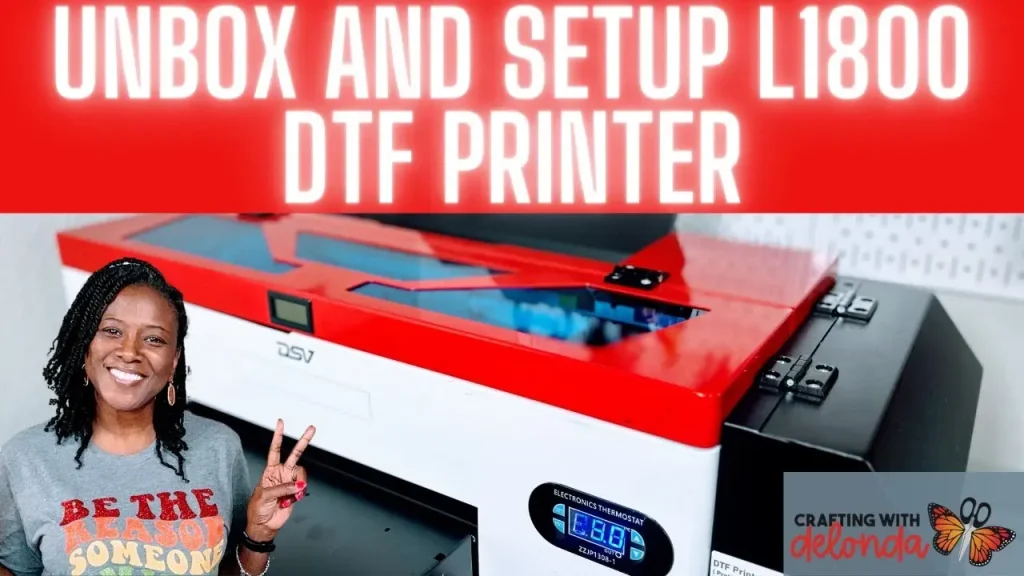
The DTF printing setup is transforming the way custom apparel is produced, merging efficiency with remarkable visual quality. As the popularity of Direct-to-Film (DTF) printing soars, understanding the essential components of this setup becomes crucial for success in the textile industry. From selecting the right DTF printer to acquiring high-quality transfer films and adhesive powders, each part plays a vital role in achieving vibrant, long-lasting prints. This guide will equip you with the knowledge to create a fully functional DTF printing setup, ensuring you meet the demands of both professional and personal projects. With the right printing equipment under your belt, you can confidently embark on your journey into the world of DTF printing and discover endless creative possibilities.
When setting up your garment printing process, establishing a reliable direct-to-film printing system is key to achieving great results. This modern technique utilizes specialized machinery and materials, including DTF printers, to transfer intricate designs onto various textiles. Understanding the key elements, such as transfer films and adhesive powders, will significantly enhance your print quality and durability. The investment in high-quality printing equipment is essential, as it dictates the outcomes of your printing projects. As you navigate through the complete guide to DTF printing, you will find that mastering this innovative method opens doors to a vibrant universe of customization and design.
The Essentials of DTF Printing Equipment
To successfully embark on DTF printing, investing in the right **printing equipment** is non-negotiable. Your journey begins with a reliable DTF printer, essential for accurately transferring your designs onto transfer films. Look for printers that use advanced technology, such as the Epson SureColor series, known for its remarkable color output and detail retention. Additionally, you’ll want a machine that supports water-based inks, which contribute to a more efficient and eco-friendly printing process.
In conjunction with a capable DTF printer, your setup will also necessitate a quality heat press or curing oven. These machines complete the printing process by ensuring that the adhesive powder bonds effectively with the fabric, resulting in durable and vibrant designs. Leading brands like Geo Knight and Hotronix have established reputations for durability and efficiency, making them sensible choices for serious DTF printers.
Understanding Transfer Films in DTF Printing
**Transfer films** are pivotal within a DTF printing setup, facilitating the vibrant transfer of designs onto fabric. These specially coated films not only help in achieving intricate and colorful prints but also enhance ink adhesion, which is vital for the longevity of the design. Opting for premium brands such as ALFALUX and Transfex will ensure that your prints maintain clarity and brightness through multiple wash cycles, a critical aspect valued by customers.
Moreover, choosing the correct type of transfer film is essential for different fabric types. As you expand your printing capabilities, experimenting with various film types can yield different finishes and qualities, thereby offering more options to clients. The flexibility in fabrics and finishes offered by transfer films is one of the key appeals of DTF printing, allowing creators to work on a wider array of projects.
The Role of Adhesive Powder in DTF Printing Setup
In the context of DTF printing, **adhesive powder** plays a crucial role in ensuring that your designs adhere properly to the garments. After printing your designs onto transfer films, applying adhesive powder is necessary; it bonds the artwork to the fabric when heat is applied. The effectiveness of powder types, such as hot melt adhesive, can significantly influence the washability and overall durability of the finished product, making careful selection vital.
Failing to use the proper adhesive can lead to designs that peel or fade, risking customer satisfaction. It’s also important to note that the curing process must be executed correctly to ensure the adhesive melts evenly and binds tightly. This process, combined with quality adhesive powder, creates a long-lasting result that elevates your DTF printing business standards.
Why Invest in Quality Curing Equipment
Curing is one of the most critical processes in DTF printing, underscoring the need for top-notch curing equipment. This step ensures that the printed designs adhere strongly and set correctly, which is non-negotiable for high-quality results. Whether you choose a heat press or a convection oven, it is essential to guarantee even heating across the design area for optimal adhesion.
When looking at **curing equipment**, consider brands known for reliability and performance, like Geo Knight or Hotronix. A well-maintained curing system amplifies the longevity of your prints, making it a wise investment. As the DTF market grows, ensuring that your firmware and machinery are up to date with the latest advancements will significantly impact the efficiency and quality of your output.
Essential Software for DTF Printing Success
To enhance your DTF printing workflow, leveraging the right software is equally important as the physical equipment. Software like Adobe Illustrator allows you to design and prepare your images for printing, while specialized DTF software focuses on optimizing the print output to ensure color accuracy. Moreover, utilizing a RIP (Raster Image Processor) provides advanced features, addressing the need for calibration and resolution for vibrant designs.
With proper design management and software, you can significantly streamline your production process, making it easier to handle multiple orders efficiently. Additionally, staying ahead of software trends will make it possible to adopt new features that can elevate your printing capabilities, ensuring that you remain competitive in the ever-evolving DTF market.
Recent Trends in DTF Printing You Should Know
The DTF printing landscape is continually evolving, reflecting changes in consumer demand and technological advancements. One of the most remarkable trends is the surge in personalized apparel sales driven by the pandemic; more businesses are incorporating DTF printing to meet this demand. The flexibility of this model allows businesses to create intricate designs in small batches, an attractive proposition for bespoke apparel.
Innovation in DTF technology has led to improved product durability, despite past concerns regarding wash and fade resistance. Recent developments in both inks and adhesives have allowed creators to offer higher quality products that stand the test of time, significantly boosting customer satisfaction and trust. As DTF printing continues to gain popularity, keeping abreast of these trends will be critical to achieving business success.
Frequently Asked Questions
What equipment do I need for a complete DTF printing setup?
To establish a complete DTF printing setup, you need essential equipment including a quality DTF printer, specialized transfer films, adhesive powder, curing equipment such as a heat press or convection oven, and design software. These components work together to ensure high-quality prints.
How does a DTF printer differ from traditional printers in a DTF printing setup?
A DTF printer is specifically designed to print directly onto transfer films using water-based inks that adhere better to fabrics compared to traditional printers. This ensures vibrant colors and strong durability, making it an essential part of any DTF printing setup.
What type of adhesive powder is best for a DTF printing setup?
For a DTF printing setup, hot melt adhesive powder is recommended due to its excellent adhesion properties and durability. It ensures that the printed inks bond effectively to the fabric, providing long-lasting prints that withstand wash cycles.
What are transfer films in the DTF printing setup, and why are they important?
Transfer films are specially coated sheets used in a DTF printing setup to facilitate ink adherence. Their surface treatment allows for detailed and vibrant designs to be printed, making them crucial for achieving high-quality results in garment printing.
What role does curing equipment play in the DTF printing setup?
Curing equipment is vital in a DTF printing setup as it ensures that the adhesive powder correctly bonds to the fabric and that the printed design is set properly. Using a heat press or convection oven helps to achieve the durability and washability required for quality apparel.
How can software enhance my DTF printing setup?
Using design software in your DTF printing setup allows you to create and manage designs efficiently. Software options like Adobe Illustrator or specialized DTF software can optimize color accuracy and image resolutions, further enhancing the quality of your prints.
| Component | Description | Popular Brands/Models |
|---|---|---|
| DTF Printer | Essential for printing designs onto transfer films. Water-based inks provide vibrant colors and durability. | Epson SureColor Series, MUTOH VJ-1624X |
| Transfer Films | Specially coated films that promote ink adhesion for detailed prints. | ALFALUX, Transfex, Cadlink |
| Adhesive Powders | Ensures printed ink adheres to the fabric. Commonly used types enhance durability and washability. | Hot melt adhesive powder |
| Curing Equipment | Heat press or convection oven used to cure the adhesive and ensure proper ink setting. | Geo Knight, Hotronix |
| Software | Design management software that aids in creating high-quality prints. Using a RIP can improve color accuracy. | Adobe Illustrator, Wasatch SoftRIP |
| Consumables | Maintenance supplies crucial for optimal functioning of equipment. | Cleaning solutions, spare parts |
Summary
DTF printing setup is a modern and efficient approach to garment printing, offering a detailed overview of the necessary equipment and materials. By investing in a quality DTF printer, selecting appropriate transfer films, and utilizing reliable adhesive powders and curing equipment, you can produce stunning, long-lasting prints. Additionally, leveraging the right design software ensures seamless workflow and superior results. As the DTF technology continues to evolve, staying abreast of industry trends and quality improvements will provide you with a competitive edge in the custom apparel market.