
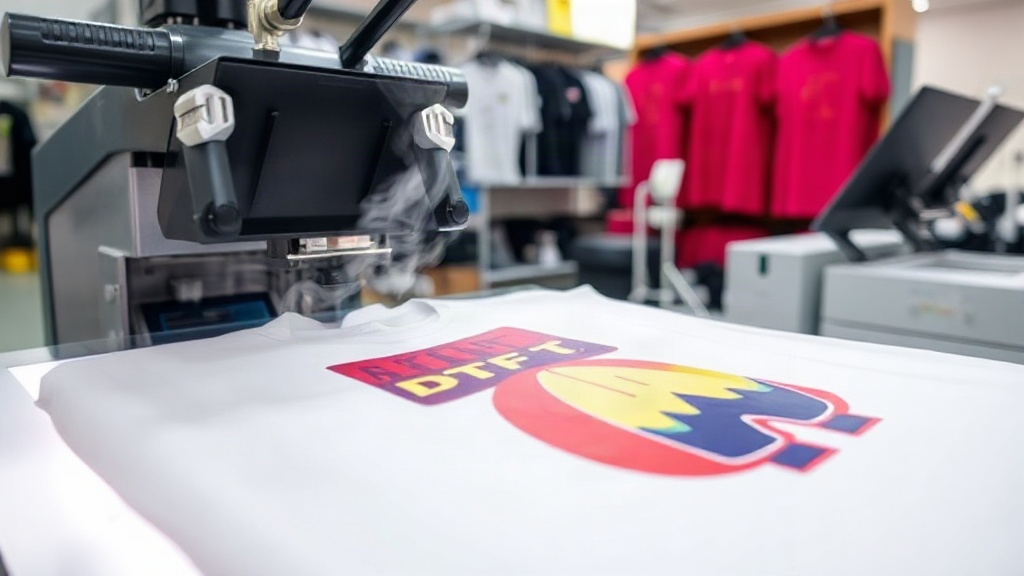
In the world of custom apparel, DTF (Direct to Film) printing has taken the industry by storm. It offers vibrant colors, excellent durability, and the flexibility to print on a wide range of fabrics. If you're searching for DTF transfers near me, you're likely looking for a convenient and reliable way to produce custom t-shirts, hoodies, and other items. But finding the right provider can be tricky. You want quality, speed, and fair pricing all in one. In this guide, I'll walk you through everything you need to know to locate the best DTF transfer services in your area and make an informed decision.
What Are DTF Transfers?
DTF transfers are printed designs on a special film that can be transferred to fabric using heat and pressure. Unlike screen printing, which requires screens for each color, DTF allows for full-color prints with no setup fees. This makes it ideal for small orders, intricate designs, and on-demand printing. The process involves printing a design onto a PET film, applying adhesive powder, curing it, and then pressing it onto the garment. The result is a soft, stretchy, and durable print that can withstand many washes.
Why Search for 'DTF Transfers Near Me'?
When you search for DTF transfers near me, you're likely looking for local advantages: faster turnaround times, the ability to see samples in person, and supporting local businesses. Local providers can also offer direct communication, which is crucial for ensuring your designs come out exactly as you envision. However, the 'near me' search can also yield online providers that ship quickly, so it's important to know what you're getting into.
What to Look for in a DTF Transfer Provider
Not all DTF transfer companies are created equal. Here are the key factors to consider when evaluating potential providers.
Print Quality
The quality of the print is paramount. Look for providers who use high-resolution printers and quality inks. Ask for samples or check their portfolio on social media. A good provider will have no problem showing you their work. Pay attention to color accuracy, sharpness, and the overall finish.
Material Quality
The film and adhesive powder used are just as important. High-quality materials ensure that the transfer adheres properly and lasts long. Some cheap options may crack or peel after a few washes. Inquire about the brands they use and whether they offer a warranty.
Turnaround Time
If you have a deadline, turnaround time is critical. Some local shops can do same-day or next-day service, while online providers might take a week or more. Make sure you ask about their typical production and shipping times.
Pricing
Compare prices from different providers. DTF transfers are usually priced per print, with discounts for bulk orders. Be wary of prices that seem too low, as they might indicate inferior quality. Also, check if they charge extra for setup, shipping, or color matching.
Customer Service
Good communication is essential. You want a provider who is responsive, helpful, and willing to answer your questions. A company that offers design support or has a user-friendly ordering process is a plus.
How to Find the Best DTF Transfers Near You
Here are practical steps to locate top-notch DTF transfer services in your vicinity.
Use Online Directories and Review Sites
Start with a simple Google search for DTF transfers near me. Look at the top results and check their websites. Read reviews on Google, Yelp, or Facebook. Pay attention to recurring themes in reviews, such as quality issues or excellent customer service.
Ask for Recommendations
If you know other business owners or crafters who use custom printing, ask them where they get their transfers. Personal recommendations are often the most reliable.
Visit Local Print Shops
If you have a local print shop that offers DTF services, visit them in person. This gives you a chance to see the equipment, discuss your needs, and inspect samples. You can also ask about their process and turnaround times.
Check Social Media
Many small businesses showcase their work on Instagram and Facebook. Search for hashtags like #dtftransfers or #dtfprinting and see which companies pop up in your area. You can also post a request for recommendations in local business groups.
Comparing Local vs. Online DTF Transfer Services
While local providers have their perks, online services might offer more variety or better pricing. Let's break down the advantages and disadvantages of each.
Advantages of Local Providers
- Faster turnaround, especially if you need a rush order.
- Ability to see and feel the product before committing.
- Direct communication and face-to-face problem solving.
- Supporting your local economy.
Disadvantages of Local Providers
- Limited selection or capability for very large orders.
- May have higher prices due to overhead.
- Not all areas have a local DTF transfer business.
Advantages of Online Providers
- Often more competitive pricing.
- Can handle large volumes.
- More options for customization and variety.
- Convenient from the comfort of your home.
Disadvantages of Online Providers
- Shipping time and costs.
- Less personal interaction.
- You can't inspect samples before ordering.
When you search for DTF transfers near me, you might find both local and online options. Your choice depends on your priorities: speed, cost, or personal touch.
Questions to Ask Before Placing an Order
To ensure you get the best results, here are some questions you should ask your potential provider:
- What types of garments do you recommend for DTF transfers?
- Can you provide a proof or sample before I commit to a large order?
- What is your minimum order quantity?
- Do you offer color matching services?
- How do you handle issues with transfers after purchase?
- What is your production time for my specific order?
Tips for Using DTF Transfers Effectively
Once you've found a great provider, you want to make the most out of your DTF transfers. Here are some tips to ensure successful application and longevity.
Proper Application
Follow the instructions provided by your transfer maker. Typically, you'll need a heat press set to around 320°F (160°C), medium pressure, and press for 10-15 seconds. Make sure to use a Teflon sheet or parchment paper to protect the transfer from direct heat.
Peeling and Handling
After pressing, peel the film while it's still hot or cold, depending on the manufacturer's recommendation. Some transfers require hot peeling, others cold. Wait for the garment to cool before handling to prevent smudging.
Washing Instructions
To extend the life of your DTF prints, wash garments inside out in cold water and avoid using bleach. Tumble dry on low or hang dry. This will keep the colors vibrant and the adhesive intact.
Cost Considerations
DTF transfers are cost-effective, especially for small batches. But prices can vary based on size, quantity, and complexity. Typically, you might pay a few dollars per transfer for small quantities, with discounts for bulk. Some providers charge a one-time setup fee for color correction or design adjustment. Always get a quote and compare with other providers.
Common Mistakes to Avoid
When working with DTF transfers, there are a few pitfalls you should steer clear of.
- Choosing the cheapest option without checking quality. This often leads to disappointing results.
- Not testing on a sample garment before ordering a large batch.
- Ignoring the care instructions, which can cause premature wear.
- Selecting a provider with poor communication, leading to delays or errors.
Conclusion
Finding the right DTF transfers near me doesn't have to be a daunting task. By knowing what to look for, asking the right questions, and comparing options, you can secure a provider that meets your needs and delivers high-quality transfers. Remember to prioritize quality, communication, and reliability over sheer convenience. With the right partner, you'll be able to create stunning custom apparel that your customers will love.
Frequently Asked Questions
How long do DTF transfers last on garments?
With proper application and care, DTF transfers can last for many washes, typically over 50 washes without significant fading or cracking. The durability depends on the quality of the transfer, the pressing conditions, and how you wash the garment. Always follow the care instructions provided by the manufacturer to maximize longevity.
Can I use DTF transfers on any fabric?
DTF transfers work best on cotton, polyester, and cotton-poly blends. They can also be applied to other materials like nylon and leather, but with varying results. For synthetic fabrics that are heat-sensitive, you need to be cautious with the pressing temperature. It's always a good idea to test on a small piece first.
What is the difference between DTF and sublimation?
Sublimation requires polyester or polymer-coated substrates and works by infusing dye into the fabric. DTF transfers, on the other hand, can be applied to a wider range of fabrics, including cotton, and use a white adhesive layer. DTF is more versatile but may have a slightly heavier feel compared to sublimation prints.
Do I need a heat press to apply DTF transfers?
Yes, a heat press is highly recommended for applying DTF transfers. While you might be able to use a household iron, it's difficult to achieve the consistent temperature and pressure required for a proper bond. A heat press ensures even heat distribution and pressure, resulting in a more durable and professional-looking transfer.
Can I order DTF transfers in bulk?
Most DTF transfer providers offer bulk pricing, and some even specialize in large orders. If you're planning to produce a high volume of shirts, look for a provider with fast turnaround and discounted rates for quantities. Always ask about their bulk discounts and production capacity.