
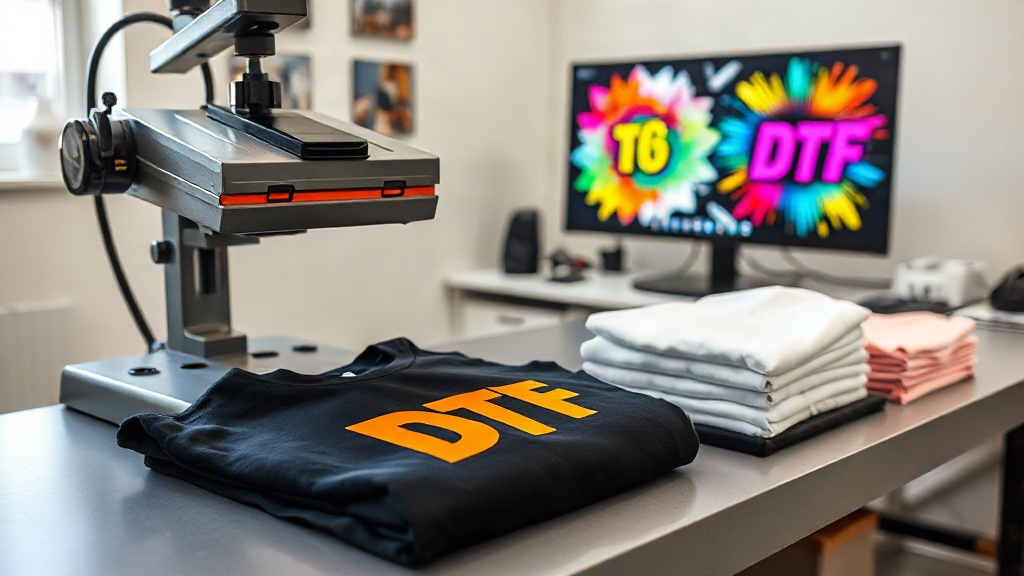
When you first dive into the world of custom apparel, the combination of DTF transfers and quality blank garments can feel like a match made in heaven. But not all blanks are created equal, and getting a flawless, long-lasting print requires understanding how different fabrics interact with the transfer process. In this guide, we'll explore two popular choices among decorators: Shaka Wear and Smart Blanks. Whether you're a seasoned pro or just starting out, you'll find actionable insights to improve your results and avoid common pitfalls.
Why DTF Transfers Are Revolutionizing Custom Apparel
DTF (Direct to Film) transfers have exploded in popularity for good reason. Unlike traditional screen printing or vinyl, DTF allows for full-color, highly detailed designs without the setup costs or color limitations. You can print on demand, store transfers indefinitely, and apply them to a wide range of fabrics. But the magic happens when the transfer meets the garment. The right blank can make your prints pop; the wrong one can lead to cracking, fading, or poor adhesion.
The Role of Fabric Composition
Most DTF transfers adhere best to cotton and cotton-poly blends. However, the exact percentage matters. 100% cotton offers excellent adhesion and a soft hand, while polyester blends can affect curing times and feel. Shaka Wear is known for its heavyweight cotton tees, often 100% cotton, which provides a great canvas for DTF. Smart Blanks, on the other hand, frequently offers cotton-poly blends that cater to different market segments. Knowing your fabric helps you dial in your press settings.
Shaka Wear: A Decorator's Favorite for DTF Transfers
Shaka Wear has built a reputation for durable, streetwear-inspired blanks. Their tees are often 6.5 oz or heavier, giving them a substantial feel that customers love. When applying DTF transfers to Shaka Wear garments, you'll notice the fabric's tight knit and smooth surface. This typically results in excellent detail reproduction and vibrant colors.
Pressing Settings for Shaka Wear
For Shaka Wear 100% cotton tees, a temperature of 325°F (160°C) with medium pressure for 15-20 seconds works well. Pre-press the garment for 5-10 seconds to remove moisture and wrinkles. After pressing the transfer, wait for it to cool completely before peeling (cold peel) unless your transfer instructions specify otherwise. The heavyweight cotton holds up well to repeated washing, but always advise customers to wash inside out in cold water and tumble dry low.
Potential Challenges and Solutions
Some Shaka Wear styles have a slightly rough texture or heavy dye lots. If you encounter adhesion issues, try increasing pressure slightly or extending press time by a few seconds. Always test on a scrap piece first. Also, dark colors may require a white underbase in your DTF design to ensure opacity.
Smart Blanks: Versatility Meets Value
Smart Blanks are a go-to for many decorators because they offer a balance of quality and affordability. Their catalog includes ringspun cotton tees, triblends, and poly-cotton mixes. This variety means you can cater to different customer preferences, from soft vintage feels to performance wear. But each fabric type demands its own DTF approach.
Working with Cotton-Poly Blends
Cotton-poly blends, common in Smart Blanks' lineup, can be trickier for DTF. Polyester content can cause the transfer to cure too quickly or not adhere properly if the temperature is too high. For blends with 50% polyester or more, lower your press temperature to 300-310°F (150-155°C) and reduce pressure to medium-light. Use a heat press with accurate temperature control, and always pre-press to remove sizing.
Maximizing Durability on Smart Blanks
To ensure your DTF transfers stand up to wear, pay attention to the peel method. Some transfers are hot peel, others cold. Follow the manufacturer's recommendation. After peeling, a second press for 5-10 seconds with a Teflon sheet can improve wash fastness. Smart Blanks' softer fabrics may require a gentler touch, but with proper settings, you'll achieve a smooth, integrated feel.
Comparing Shaka Wear and Smart Blanks for DTF
Both brands have their strengths. Shaka Wear is ideal for heavy-duty, boxy tees that appeal to streetwear brands. Smart Blanks offers a wider range of styles, including lightweight and fashion-forward cuts. Your choice depends on your target market and design requirements.
- Fabric Weight: Shaka Wear tends to be heavier; Smart Blanks offers lighter options.
- Fabric Content: Shaka Wear often 100% cotton; Smart Blanks has more blends.
- Press Settings: Shaka Wear can handle higher temps; Smart Blanks blends need lower temps.
- Hand Feel: Both can achieve soft prints, but blends may feel slightly different.
Step-by-Step DTF Application on These Blanks
Regardless of which blank you choose, following a consistent process is key. Here's a reliable workflow:
- Pre-press: 5-10 seconds to remove moisture and wrinkles.
- Position transfer: Place with the design facing up.
- Press: Apply at recommended temperature and pressure for 15-20 seconds.
- Peel: Follow hot or cold peel instructions.
- Post-press: Optional second press for 5-10 seconds for added durability.
Always test with your specific equipment and materials. Small adjustments can make a big difference.
Common Mistakes to Avoid
Even experienced decorators slip up. Here are pitfalls to watch for:
- Insufficient pressure: Leads to poor adhesion and early peeling.
- Wrong temperature: Too high can scorch or melt polyester; too low causes incomplete transfer.
- Skipping pre-press: Moisture can cause bubbles and weak bonds.
- Improper peel: Peeling too soon or too late ruins the finish.
- Ignoring fabric content: Always check the label and adjust settings accordingly.
Frequently Asked Questions
Can I use DTF transfers on 100% polyester Shaka Wear garments?
While Shaka Wear is predominantly cotton, if you have a polyester style, you can still use DTF transfers, but you'll need to lower the press temperature to around 280-300°F (140-150°C) and use light pressure to avoid dye migration. Always test first.
Do Smart Blanks require a special pretreatment for DTF?
No, DTF transfers do not require pretreatment. However, pre-pressing the garment to remove moisture and sizing is essential for best results. For blends, a lower temperature is recommended.
How durable are DTF transfers on these blanks after washing?
When applied correctly, DTF transfers can last 50+ washes. Wash inside out in cold water, avoid bleach, and tumble dry low. Following proper pressing and post-pressing will maximize longevity.
Which blank is better for detailed, multi-color designs?
Both can handle detailed designs, but 100% cotton (like most Shaka Wear) tends to produce slightly crisper details due to its smooth surface. Smart Blanks' blends also work well with high-quality transfers.
Can I stretch DTF transfers on Smart Blanks' triblend tees?
Triblends have high polyester content and a soft hand. Use low temperature (280-300°F), light pressure, and consider a stretch additive in your DTF powder if you expect significant stretching. Always test for adhesion.
With the right techniques, DTF transfers on Shaka Wear and Smart Blanks can yield professional, durable results that impress your customers. Experiment, take notes, and refine your process. Happy pressing!