
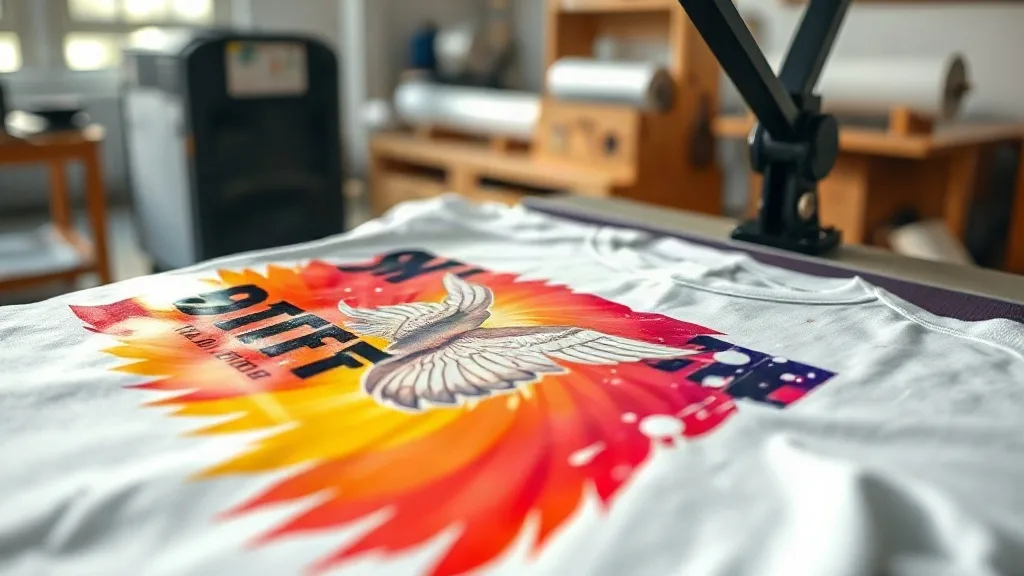
Imagine pressing a vibrant, full-color design onto a cotton t-shirt, a polyester jersey, or even a canvas tote, all from the same sheet of film, with no weeding, no color limitations, and no compromise on stretch or durability. That is the promise of dtf printing, and it is quickly becoming the go-to method for garment decorators who want professional results without the steep learning curve of other technologies. Whether you run a small print shop, manage a school spirit wear program, or simply want to personalize gifts, understanding dtf transfers can open up a world of creative and profitable possibilities.
Unlike traditional screen printing, which requires separate screens for each color, or heat transfer vinyl (HTV) that demands precise cutting and weeding, DTF printing uses a digital process to print designs onto a special film. The design is then coated with a thermoplastic adhesive powder, cured, and pressed onto the fabric. This seemingly simple workflow yields remarkably complex results: photographic gradients, fine details, and bright whites on dark garments, all without the hassle of layering or registration.
What Exactly Are DTF Transfers?
At its core, a DTF transfer is a printed design on a PET film that has been dusted with a hot-melt adhesive powder. When heat and pressure are applied, the adhesive melts and bonds the ink to the fabric fibers. The film is then peeled away, leaving the design permanently attached. Because the ink sits on top of the fabric rather than being dyed into it, DTF transfers can produce incredibly opaque and vivid colors, even on dark or textured materials.
The process begins with a digital printer equipped with white ink and a set of CMYK inks. The design is printed onto the film in reverse, with a white ink base layer applied first to ensure opacity. After printing, the film passes through a powder shaker that evenly coats the wet ink with adhesive powder. Excess powder is removed, and the film is cured in an oven or under a heat source. The result is a flexible, ready-to-press transfer that can be stored for weeks or months.
The Role of Adhesive Powder
The adhesive powder is the unsung hero of DTF transfers. It determines how well the design bonds to different fabrics and how it feels to the touch. There are two main types: TPU (thermoplastic polyurethane) and PA (polyamide). TPU powder is softer and more elastic, making it ideal for stretchy fabrics like spandex blends. PA powder offers excellent wash durability and is often used for cotton and cotton-poly blends. The choice of powder affects the final hand feel and stretchability, so it is worth experimenting to find the best match for your typical substrates.
Another critical factor is particle size. Finer powders (around 80-200 microns) create a smoother, more flexible finish, while coarser powders (200-300 microns) provide a more textured, matte look. Most commercial DTF printers come with a recommended powder size, but you can adjust based on your preferences and the intended application.
Why Choose DTF Transfers Over Other Methods?
DTF transfers offer a unique combination of benefits that make them stand out from screen printing, DTG (direct-to-garment), and HTV. Here are the key advantages:
- No color limits: Print unlimited colors, gradients, and photographic images in a single pass. No need for separate screens or color separations.
- Fabric versatility: Works on cotton, polyester, nylon, leather, denim, canvas, and even treated wood. It adheres to both light and dark materials without pre-treatment.
- Stretch and durability: The adhesive and ink combination moves with the fabric, resisting cracking and fading even after repeated washing.
- Cost-effective for short runs: Unlike screen printing, there are no setup fees or minimum order quantities. You can produce one-off designs or small batches profitably.
- Ease of use: No weeding, no cutting, no layering. The process is digital and can be automated, reducing labor costs and human error.
- Soft hand feel: Modern DTF films and powders produce a thin, flexible print that feels comfortable to wear, unlike older, plasticky transfers.
However, DTF is not without its nuances. The quality of the transfer depends heavily on the printer, ink, powder, and pressing parameters. It also requires a reliable heat press and a good understanding of temperature, pressure, and time. But once dialed in, DTF can be a game-changer for any apparel decoration business.
DTF vs. Other Decoration Methods: A Quick Comparison
To help you decide if DTF is right for your project, let's compare it side-by-side with three popular alternatives.
DTF vs. Screen Printing
Screen printing excels at long runs of simple designs with few colors. It offers a soft hand and low cost per piece at high volumes. But it requires screens, setup time, and is impractical for full-color or photographic designs. DTF, on the other hand, shines for complex, multi-color designs and short runs. It has no setup costs and can produce one-off pieces economically. The trade-off is that DTF may have a slightly higher cost per print for very large orders, and the hand feel, while soft, is not as thin as a well-executed screen print.
DTF vs. DTG
DTG (direct-to-garment) printing is similar to DTF in that it is digital and capable of full-color designs. However, DTG requires pre-treatment of the garment, especially for dark colors, and works best on 100% cotton. It can struggle with polyester and synthetic blends. DTF, by contrast, requires no pre-treatment and adheres well to a wide range of fabrics, including polyester and blends. DTF also tends to produce more vibrant colors on dark garments because of the white ink base layer.
DTF vs. HTV (Heat Transfer Vinyl)
HTV is a cut-and-weed material that comes in solid colors and patterns. It is great for simple text and single-color logos, and it is easy to use for beginners. But for multi-color or detailed designs, HTV becomes labor-intensive and wasteful. DTF eliminates weeding entirely and can print any design in one piece. DTF also stretches better than most HTV, making it suitable for performance wear.
How to Get Started with DTF Transfers
If you are ready to incorporate DTF into your workflow, here is a step-by-step overview of the process.
1. Design Preparation
Start with a high-resolution image, ideally at 300 DPI. DTF printers use CMYK + white, so convert your design to that color space. Remember to mirror the image horizontally before printing, as the transfer will be flipped when pressed. Most RIP software handles this automatically.
2. Printing
Load the DTF film into your printer, ensuring the correct side is facing the print head. Print the design with the white ink layer first, followed by CMYK. Some printers allow you to adjust the white ink density for better opacity on dark fabrics.
3. Powdering and Curing
While the ink is still wet, apply the adhesive powder evenly. You can use a manual shaker or an automated powder unit. Shake off excess powder, then cure the film in an oven at around 160°C (320°F) for 2-3 minutes, or until the powder melts and becomes glossy. Alternatively, use a heat press for curing, but be careful not to scorch the film.
4. Heat Pressing
Set your heat press to 160-170°C (320-340°F) with medium pressure. Place the transfer on the garment, cover with a protective sheet, and press for 10-15 seconds. Peel the film while it is still warm (hot peel) or after it cools (cold peel), depending on the film type. Most DTF films are hot peel, which saves time.
5. Post-Pressing (Optional)
For maximum durability, you can do a second press for 5-10 seconds with a protective sheet. This further embeds the ink into the fabric and improves wash resistance.
Common Challenges and How to Overcome Them
Even though DTF is relatively straightforward, beginners often encounter a few issues. Here are some troubleshooting tips.
- Poor adhesion: Usually caused by insufficient pressure, incorrect temperature, or expired powder. Check your heat press calibration and ensure the powder is fresh and dry.
- Cracking or fading: May result from under-curing the powder or over-stretching the fabric. Make sure the powder is fully melted and use a stretchable powder for performance fabrics.
- Dull colors: Often due to insufficient white ink or incorrect color profiles. Increase white ink density and calibrate your printer regularly.
- Film curling: High humidity can cause the film to curl. Store film in a cool, dry place and use a dehumidifier if necessary.
With a bit of practice, you will develop a feel for the right settings and be able to produce flawless transfers consistently.
Applications and Creative Uses
DTF transfers are not just for t-shirts. Their versatility opens up many creative and commercial opportunities.
- Sportswear and activewear: The stretch and durability of DTF make it perfect for jerseys, leggings, and yoga tops.
- Corporate apparel: Create branded polos, jackets, and hats with detailed logos and slogans.
- Merchandise: Print on tote bags, pencil cases, mouse pads, and even phone cases (with appropriate adhesive).
- Home decor: Personalize throw pillows, blankets, and wall hangings.
- Promotional items: Offer custom gifts for events, fundraisers, and giveaways.
The only limit is your imagination. Because DTF requires no pre-treatment and works on so many surfaces, you can experiment with new products and expand your offerings.
Frequently Asked Questions About DTF Transfers
How long do DTF transfers last?
When applied correctly and cared for properly, DTF transfers can last as long as the garment itself. Wash inside out in cold water and avoid harsh detergents or bleach. Tumble dry low or hang dry.
Can I use DTF transfers on 100% polyester?
Yes, DTF transfers adhere well to polyester and polyester blends. Use a lower pressing temperature (around 150°C) to avoid scorching the fabric, and choose a stretchable powder for best results.
Do I need a special printer for DTF?
You can convert a standard inkjet printer to DTF by using DTF ink and film, but for professional results, a dedicated DTF printer with white ink circulation is recommended. These printers are designed to handle the white ink and produce consistent output.
What is the difference between hot peel and cold peel DTF film?
Hot peel film allows you to remove the carrier sheet immediately after pressing while the transfer is still hot. Cold peel requires you to wait until it cools down. Hot peel is more common and speeds up production, but cold peel can sometimes yield a smoother finish.
Can I layer DTF transfers?
Yes, you can layer DTF transfers, but it is generally not necessary because DTF can print multi-color designs in one go. If you do layer, press the first transfer for a few seconds, peel, then apply the second on top and press again.
DTF transfers represent a significant leap forward in garment decoration. They combine the color capabilities of digital printing with the durability and versatility that modern apparel demands. Whether you are a seasoned professional or just starting out, mastering DTF can elevate your craft and expand your business. So why not give it a try? Your next custom creation could be your best one yet.