
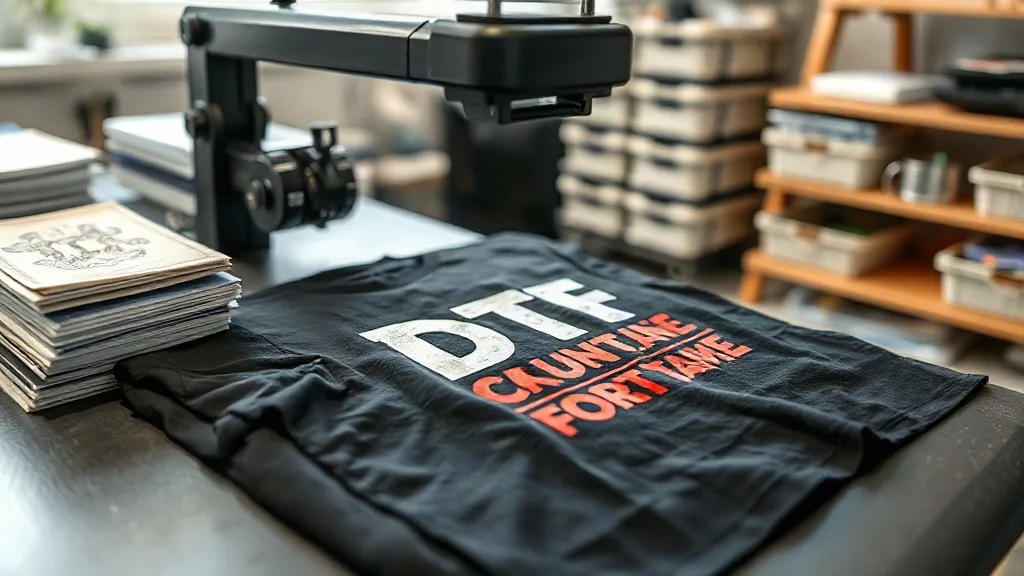
If you've been exploring custom apparel printing, you've likely come across dtf transfers as a versatile and cost-effective method. Unlike traditional screen printing or vinyl cutting, DTF (Direct-to-Film) printing offers vibrant colors, fine details, and durability on a wide range of fabrics. In this guide, we'll walk you through everything you need to know about DTF transfers, from the basics to pro tips for applying them like a seasoned pro.
What Are DTF Transfers?
DTF transfers are a digital printing technology where designs are printed onto a special film, then coated with a heat-activated adhesive powder. When heat-pressed onto fabric, the design bonds permanently, creating a soft, stretchable, and wash-resistant print. This method eliminates the need for pre-treatment or special inks, making it accessible for both home crafters and commercial shops.
How DTF Transfers Work: Step by Step
Understanding the process helps you appreciate the results. Here's a breakdown of the DTF workflow:
- Design Preparation: Create your artwork in a graphics program, ensuring it's mirrored if necessary (some printers handle this automatically).
- Printing: A DTF printer lays down CMYK inks plus white ink onto a PET film. The white ink provides opacity, crucial for dark fabrics.
- Powder Application: While the ink is wet, a hot-melt adhesive powder is applied evenly over the design. Excess powder is shaken off.
- Curing: The film is heated to melt the powder, creating a adhesive layer that will bond with fabric.
- Transfer: The cured film is placed on the garment and heat-pressed, transferring the design permanently.
Each step requires precision, but once mastered, the process is efficient and yields professional-grade results.
Why Choose DTF Transfers?
DTF has surged in popularity for several compelling reasons:
- Versatility: Works on cotton, polyester, blends, and even treated nylon. No need for different inks or setups for different fabrics.
- Vibrant Colors: The CMYK+white ink system produces bright, detailed prints that pop on any color.
- Durability: Properly applied DTF transfers withstand repeated washing without cracking or fading.
- Cost-Effective for Short Runs: Unlike screen printing, DTF is economical for small batches and one-offs.
- Soft Hand Feel: The print remains flexible and comfortable to wear.
For these reasons, many businesses and hobbyists are turning to dtf printing as their go-to decoration method.
Choosing the Right DTF Supplies
Quality supplies are key to successful transfers. Here's what to look for:
DTF Film
Select a film designed specifically for DTF printing. It should have a matte side for printing and a glossy side for powder application. Thickness affects durability and feel; thinner films offer a softer hand but may be trickier to handle.
DTF Inks
Use high-quality DTF inks that are compatible with your printer. Cheap inks can clog printheads and produce dull colors. Look for inks with good adhesion and wash fastness.
Adhesive Powder
The powder is what makes the transfer stick. Choose a fine, consistent powder that melts evenly. Some powders are formulated for low-temperature application, which is ideal for heat-sensitive fabrics.
Heat Press
A reliable heat press with accurate temperature and pressure control is essential. For DTF, you'll need temperatures around 300-320°F (150-160°C) and medium pressure.
Application Tips for Flawless Results
Even with top-notch supplies, technique matters. Follow these tips to avoid common pitfalls:
- Preheat the Fabric: This removes moisture and wrinkles, ensuring a smooth surface for the transfer.
- Position Carefully: Place the transfer with the design facing up. Use heat-resistant tape to hold it in place if needed.
- Press with Confidence: Apply firm, even pressure for the recommended time (usually 10-15 seconds). Don't peek!
- Peel Correctly: Wait for the transfer to cool completely before peeling the film. Peeling hot can distort the design.
- Post-Press: For added durability, cover the design with a Teflon sheet or parchment paper and press again for a few seconds.
These steps might seem simple, but skipping any can lead to poor adhesion or a ruined garment.
Common Mistakes to Avoid
Learning from others' mistakes saves time and money. Here are frequent errors:
- Using the Wrong Film: Not all films are created equal; using a non-DTF film can cause jamming or poor transfer.
- Insufficient Powder: Too little powder means weak adhesion; too much leaves a crusty residue.
- Incorrect Temperature: Too hot scorches the film; too cool doesn't activate the adhesive.
- Pressing on Uneven Surfaces: Zippers, seams, and buttons can prevent even pressure. Use a pressing pillow for such areas.
- Peeling Too Soon: Patience is key; let the transfer cool before peeling.
By avoiding these, you'll consistently produce high-quality transfers.
Finding DTF Transfers Near You
If you're not ready to invest in a DTF printer, you can order pre-printed transfers from suppliers. Searching for dtf transfers near me can help you locate local services that offer quick turnaround and personalized support. Local suppliers often provide sample packs so you can test quality before committing to a large order.
DTF vs. Other Printing Methods
How does DTF stack up against alternatives?
- Screen Printing: Better for large orders of simple designs, but DTF wins for complex, multi-color designs and small batches.
- Heat Transfer Vinyl (HTV): HTV is great for simple shapes but struggles with fine details and gradients. DTF handles both with ease.
- Direct-to-Garment (DTG): DTG requires pre-treatment and works best on 100% cotton. DTF is more versatile across fabrics and often more durable.
Each method has its place, but DTF's flexibility makes it a strong contender for diverse projects.
Frequently Asked Questions
Can I use DTF transfers on dark-colored shirts?
Absolutely. DTF transfers include a white ink layer that provides a bright, opaque base, so colors remain vibrant on dark fabrics. Just ensure your design includes white ink where needed.
How long do DTF transfers last?
With proper application and care, DTF transfers can last as long as the garment. Wash inside out in cold water and avoid harsh chemicals to maximize longevity.
Do I need a special printer for DTF?
Yes, DTF requires a printer capable of handling DTF inks and film. However, you can also purchase pre-printed transfers from suppliers if you don't want to invest in equipment.
What fabrics work best with DTF?
DTF works on most fabrics, including cotton, polyester, blends, and even some nylons. It's not recommended for fabrics with heavy textures or coatings that prevent adhesion.
Can I stretch DTF prints?
DTF prints are flexible and can stretch with the fabric without cracking, thanks to the elastic adhesive powder. However, excessive stretching may reduce durability over time.
Final Thoughts
DTF transfers have revolutionized custom apparel printing by combining versatility, durability, and vibrant colors. Whether you're a DIY enthusiast or a business owner, mastering DTF opens up a world of creative possibilities. Remember to source quality supplies, follow application best practices, and don't hesitate to reach out to local experts for guidance. With a bit of practice, you'll be producing professional-grade transfers that impress every time.