
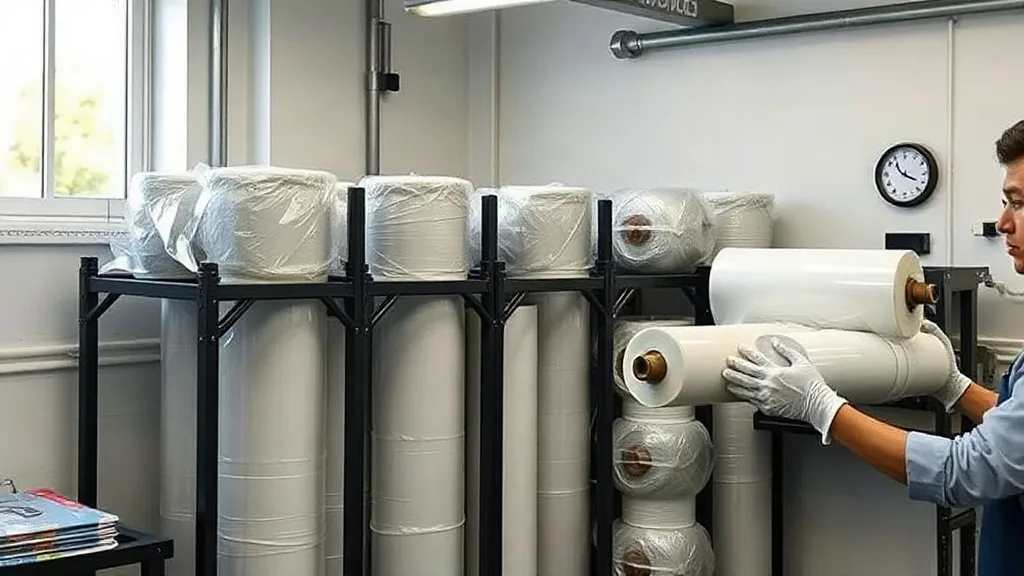
You've probably mastered the art of building a DTF Gangsheet file, nesting designs tightly, and printing with precision. But what happens after the printer spits out that beautifully dense sheet? Too often, the answer is: not much. The roll gets tossed on a shelf, exposed to humidity, sunlight, or the occasional coffee spill. Then, weeks later, you pull it out for a rush order and discover wavy edges, faded colors, or a mysterious smudge that wasn't there before. Suddenly, your flawless print becomes a costly reprint.
In this guide, we're diving into the unglamorous but critical side of DTF production: roll handling and storage. These are the habits that separate a smooth-running shop from one that's constantly fighting fires. Whether you're a solo operator or managing a team, these practices will help you protect your investment and keep your customers happy.
Why Roll Handling Deserves Your Attention
DTF film is more sensitive than it looks. The PET base is thin, the ink layer is delicate, and the adhesive powder can be affected by environmental conditions. Mishandle a roll, and you risk:
- Moisture absorption: DTF film is hygroscopic, meaning it attracts water from the air. Excess moisture can cause the ink to smear during transfer or lead to mold growth in extreme cases.
- Dust and debris: Small particles can settle on the film, creating pinholes or rough textures in the final transfer.
- Physical damage: Dents, creases, or crushed edges from improper stacking can ruin entire sections of a roll.
- UV degradation: Sunlight can break down the ink pigments, causing colors to fade or shift.
Each of these issues leads to wasted material, wasted time, and unhappy customers. The good news? They're all preventable with a few simple protocols.
Best Practices for Handling DTF Rolls
1. Always Handle by the Core
It's tempting to grab a roll by the outer layers, especially when you're in a hurry. But touching the film surface with bare hands transfers oils and dirt that can interfere with ink adhesion. Instead, hold the roll by the cardboard core. If you must touch the film, wear clean, lint-free gloves.
2. Unroll Carefully and Evenly
When loading a roll into the printer or cutting a piece, unroll it slowly and keep tension even. Yanking or twisting can stretch the film, leading to misregistration or wrinkles during printing. If a roll has been sitting for a while, let it acclimate to the room temperature before use to reduce stiffness.
3. Avoid Stacking Rolls Directly on Top of Each Other
Storing rolls horizontally in a pile might save space, but the weight can compress the lower layers, causing flat spots and creases. If you must stack, use a rack with individual shelves or dividers to distribute the weight.
4. Keep Rolls Dry and Cool
Ideal storage conditions for DTF film are around 20-25°C (68-77°F) with relative humidity between 40-60%. Avoid areas near windows, heaters, or damp basements. If your shop is prone to humidity swings, consider investing in a dehumidifier or storing rolls in sealed containers with desiccant packs.
5. Protect from Light and Dust
UV light and dust are silent killers. Store rolls in their original packaging or in opaque bags. If you have open rolls, cover them with a clean cloth or use a dust cover. Avoid storing near direct sunlight or strong artificial light for extended periods.
Storage Solutions That Work
Not all storage setups are created equal. Here are a few options that balance accessibility and protection:
- Vertical racks: Similar to blueprint storage, these keep rolls upright and off the floor, minimizing pressure and saving space. Just ensure the rolls are supported along their length to prevent bowing.
- Wall-mounted holders: Ideal for smaller shops, these keep rolls within reach while protecting them from clutter.
- Sealed cabinets: For long-term storage, a cabinet with adjustable shelves and a door keeps out dust and light. Add a hygrometer to monitor humidity.
- Original packaging: If you have space, keep rolls in their original boxes with the end caps on. This is the simplest way to shield them from light and dirt.
Whatever you choose, label each roll with the date of purchase and the ink type (if you use multiple). This helps with inventory rotation and ensures you use older stock first.
Common Mistakes to Avoid
Even experienced operators slip up. Watch out for these:
- Storing rolls on the floor: Floors are magnets for dust, moisture, and foot traffic. Always elevate.
- Using damaged rolls: If you notice wrinkles, discoloration, or a sticky feel, don't risk it. Test a small piece first; if the transfer is flawed, discard the roll.
- Ignoring expiration dates: DTF film has a shelf life (typically 6-12 months). Using expired film can lead to poor adhesion and color issues.
- Exposing to rapid temperature changes: Moving a roll from a cold truck to a warm shop can cause condensation. Let it acclimate in its packaging for a few hours.
Frequently Asked Questions
How long can I store an unopened roll of DTF film?
Most manufacturers recommend using DTF film within 6 to 12 months of purchase. Check the packaging for specific shelf life. Store in a cool, dry place away from direct sunlight to maximize longevity.
Can I use a roll that got wet?
If the film itself got wet, it's risky. Moisture can cause the ink to bleed or the powder to clump. If only the packaging is wet, dry it off and inspect the film. When in doubt, test a small piece. If the transfer shows smearing or poor adhesion, discard the roll.
What's the best way to store partially used rolls?
Rewind the roll tightly, secure the end with tape (avoid tape on the film surface), and place it back in its original bag or a sealed container. Store vertically if possible to prevent flat spots.
Do I need to worry about static electricity?
Static can attract dust, so in very dry environments, consider using an anti-static brush or maintaining humidity around 50%. Grounding your equipment also helps.
By treating your DTF rolls with the same care you put into your gangsheet designs, you'll reduce waste, save money, and deliver consistent quality. It's a small investment of time that pays off with every flawless transfer.