
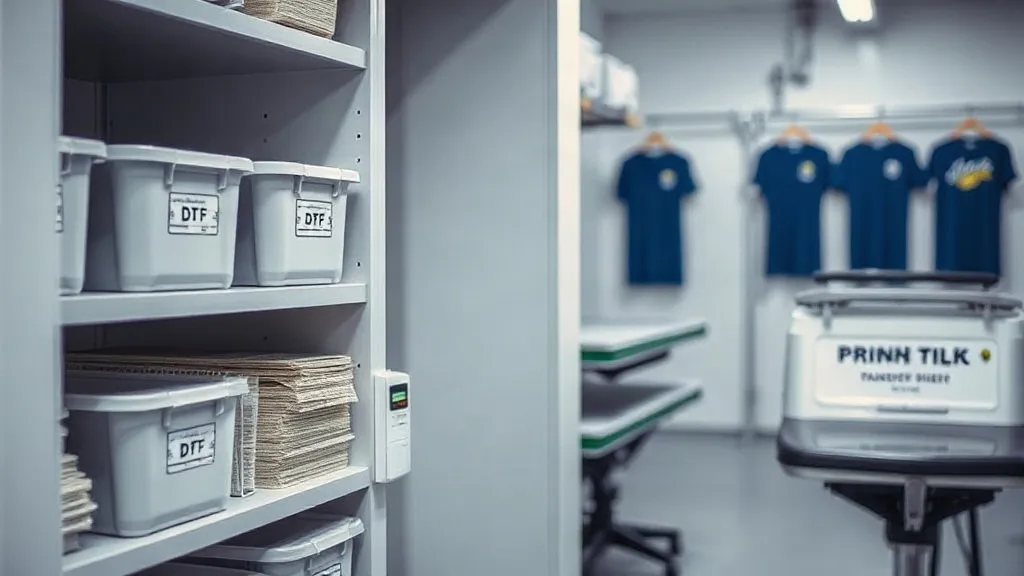
You've dialed in your press settings, perfected your color profiles, and mastered the art of the peel. But there's one variable that often slips under the radar: storage. How you store your dtf transfers and film directly impacts how they perform when they finally meet the heat press. In this guide, we'll cover the best practices for storing dtf film and printed transfers to ensure they stay in top condition, from the moment they arrive at your shop to the day they're pressed onto a garment.
Why Storage Matters for DTF Transfers
DTF transfers are not indestructible. The film itself is sensitive to environmental factors, and the printed ink layer, once powdered and cured, can degrade if exposed to the wrong conditions. Moisture, heat, light, and physical stress are the four main enemies of a good print. Ignoring them can lead to a host of problems: powder scattering, ink flaking, poor adhesion, and faded colors. The frustrating part is that these issues often don't show up until you're mid-production, wasting time and material. By understanding what causes degradation, you can build a storage system that protects your transfers and your bottom line.
Moisture: The Silent Killer
Humidity is perhaps the most common culprit behind DTF transfer failures. The film's coating and the thermoplastic powder used in the printing process are hygroscopic, meaning they absorb moisture from the air. When that happens, the powder can clump, the ink can become tacky, and the transfer may not release properly during pressing. In extreme cases, you might see steam bubbles or poor adhesion. To combat this, store your transfers in a dry environment. If you live in a humid climate, consider using a dehumidifier in your storage area or keeping transfers in sealed containers with desiccant packs. Avoid storing them near water sources, such as sinks or exterior walls that might sweat.
Temperature Fluctuations
Heat can also wreak havoc on DTF transfers. High temperatures can cause the powder to soften prematurely, leading to blocking (where layers stick together) or uneven transfer. Cold isn't as damaging, but rapid temperature changes can create condensation, reintroducing moisture. The ideal storage temperature is around 65-75°F (18-24°C), with minimal fluctuation. Avoid storing transfers in areas that get direct sunlight, near heat sources, or in uninsulated spaces like garages or sheds. A climate-controlled room is best, but if that's not possible, at least keep transfers away from windows and heating vents.
Light Exposure
UV light can cause the inks in DTF transfers to fade over time. While the white ink layer offers some protection, colored inks are still vulnerable. If you're storing transfers for an extended period, keep them in opaque containers or drawers. Clear plastic bags are fine for short-term storage, but for long-term, consider using dark-colored bins or envelopes. This is especially important for transfers with vibrant colors or fine details that you want to preserve.
Best Practices for Storing DTF Film (Unprinted)
Unprinted DTF film comes in rolls or sheets and needs to be protected from dust, moisture, and physical damage. Here's how to store it properly:
- Keep it sealed: Leave unprinted film in its original packaging until you're ready to use it. Once opened, reseal the bag or wrap it in plastic to prevent dust and moisture from settling on the coating.
- Store vertically: Rolls should be stored upright to prevent flat spots and pressure marks. Sheets can be kept flat in a drawer or on a shelf, but avoid stacking heavy items on top.
- Control humidity: As with printed transfers, humidity is the enemy. Store film in a dry place, ideally with a dehumidifier or desiccant. If film absorbs moisture, you may notice curling or poor ink adhesion during printing.
- Avoid direct sunlight: UV light can degrade the film's coating, so keep it in a dark cabinet or cover it with a cloth.
By following these simple rules, you'll extend the shelf life of your unprinted film and reduce the risk of production issues.
Storing Printed DTF Transfers
Once you've printed and powdered your transfers, proper storage becomes even more critical because the ink and powder are now exposed. Here's how to handle printed transfers:
Allow Proper Curing
Before storing, ensure the transfers are fully cured. If you're using a heat press to cure the powder, follow the manufacturer's recommendations for time and temperature. Inadequate curing can lead to powder shedding and poor adhesion. Once cured, let the transfers cool completely before stacking or storing. Stacking while still warm can cause the powder to stick to the back of the next sheet, ruining both.
Use Interleaving Sheets
When stacking printed transfers, place a sheet of parchment paper or silicone-coated paper between each transfer. This prevents the powder from one transfer sticking to the film of another. Avoid using regular paper, as it may absorb moisture or leave fibers behind. Interleaving also makes it easier to separate transfers later.
Choose the Right Container
For short-term storage, a simple manila folder or a zip-top bag works well. For longer-term storage, use a rigid container with a lid, such as a plastic bin or a photo storage box. Make sure the container is clean and dry. Avoid cardboard boxes if you're in a humid environment, as they can absorb moisture and transfer it to the contents. Label containers with the date and design name to keep things organized.
Keep Them Flat
Printed transfers should be stored flat to prevent creasing or curling. If you must stack them, keep the stack light and even. Hanging transfers is not recommended, as the weight of the film can cause stretching or distortion. If you're storing transfers in bags, lay them flat in a drawer or on a shelf.
Long-Term Storage Considerations
If you're storing transfers for months rather than weeks, take extra precautions. Even with proper storage, some degradation can occur over time. Here are a few tips for long-term storage:
- Rotate stock: Use older transfers first to ensure they don't sit indefinitely. Implement a first-in, first-out (FIFO) system.
- Check periodically: Inspect stored transfers every few months for signs of moisture, curling, or powder clumping. If you spot issues, use those transfers immediately or discard them.
- Consider vacuum sealing: For very long-term storage, vacuum sealing transfers with a desiccant pack can provide an extra layer of protection against moisture and dust. However, be careful not to compress the transfers too much, as this can damage the powder layer.
- Avoid freezing: While cold temperatures are generally safe, freezing can cause condensation when brought back to room temperature. It's best to avoid freezing unless you have a controlled thawing process.
Remember, even with perfect storage, DTF transfers have a shelf life. Most manufacturers recommend using them within 6-12 months for optimal results. Plan your production accordingly.
Organizing Your Transfer Inventory
Efficient storage isn't just about preservation; it's also about workflow. A disorganized pile of transfers leads to wasted time searching for the right design. Here are some organizational tips:
- Categorize by design type: Separate transfers by theme, color, or size. Use dividers or separate bins for easy access.
- Label everything: Include the design name, date printed, and any special notes (e.g., "cold peel only").
- Use a digital inventory: Keep a spreadsheet or database of your transfers, including quantity and location. This helps with reordering and prevents overstock.
- Keep a "current jobs" bin: For active orders, have a dedicated bin or folder so you're not rummaging through long-term storage.
When you need to find dtf transfers near me quickly, having an organized system means less downtime and more production.
Common Storage Mistakes to Avoid
Even well-intentioned shop owners make these mistakes. Watch out for:
- Storing in the press room: Heat and humidity from the press can damage transfers. Keep storage in a separate, climate-controlled area.
- Using open shelves: Dust and light can settle on transfers. Use closed cabinets or drawers.
- Stacking too high: Excessive weight can compress the powder layer, leading to poor transfer quality.
- Ignoring the elements: Garages and basements are prone to temperature swings and moisture. Avoid them for storage.
- Forgetting about pests: Mice and insects can chew through film and paper. Keep storage areas clean and sealed.
Frequently Asked Questions
How long can I store DTF transfers before they go bad?
Under ideal conditions (cool, dry, dark), printed DTF transfers can last up to 12 months. However, for best results, use them within 6 months. Always test a small batch if they've been stored for a while.
Can I store DTF transfers in the refrigerator?
It's not recommended. Refrigerators are humid and can cause condensation when transfers are brought to room temperature. A cool, dry cabinet is a better choice.
What should I do if my transfers get damp?
If you suspect moisture exposure, let them dry completely in a warm, dry area before use. Do not press them while damp, as this can cause steam and poor adhesion. In severe cases, the transfer may be ruined.
How do I prevent powder from sticking to the wrong side of the film?
Always use interleaving sheets between stacked transfers. Also, ensure the powder is fully cured before stacking. If powder is still loose, cure it again according to the manufacturer's instructions.
Is it okay to store transfers in direct sunlight?
No. UV light can fade inks and degrade the film. Always store transfers in a dark place or in opaque containers.
By implementing these storage strategies, you'll protect your DTF transfers from environmental damage, reduce waste, and ensure consistent quality in every press. Remember, a little effort in storage goes a long way in keeping your prints looking fresh and your customers happy.